
Is Robotic Knee Replacement Better Than Traditional Surgery?
Robotic-assisted total knee replacement improves accuracy, prevents implant malalignment, offers smaller incisions, and enables more precise placement of the knee implant than traditional techniques. Furthermore, robotic-assisted total knee replacement may result in less pain following surgery, faster recovery from surgery, and an increased lifespan of implanted knee prostheses.
What Is Robotic-Assisted Knee Surgery?
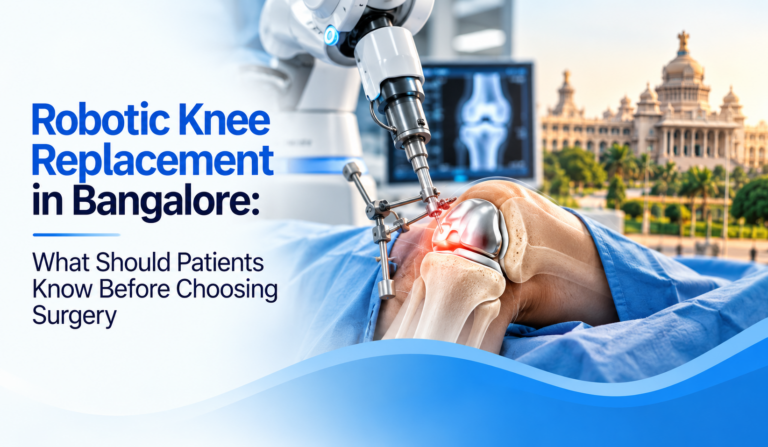
Robotic-assisted knee replacement is an innovative type of surgical procedure. Using robotic-assisted surgical technology allows surgeons to perform procedures with greater precision than they could without robotic assistance. The robotic system does not supplant the surgeon; rather it assists the surgeon in planning and verifying the procedure more accurately.
Robotic-assisted knee replacement procedures are generally appropriate for patients with severe osteoarthritis or advanced degenerative knee conditions who experience difficulty walking due to pain, stiffness and/or other limitations resulting from their condition.
How Does Robotic Knee Replacement Work?
When performing a robot-assisted procedure for total replacement of the knee joint:
Preoperative knee x-rays will be performed
An individualised surgical plan will be established
The robotic device will assist the surgeon in performing the operation
The damaged components of the knee will be exchanged with artificial components
The technology enhances surgical accuracy while minimising the risk of creating or causing additional injury to tissues and structures surrounding the knee.
Benefits of Advanced Knee Surgery Technology
A robotic-assisted knee replacement is an advanced type of surgical procedure to replace the knee. The robotic-assisted portion uses advanced Robotic Technology to help perform the surgery with higher accuracy. The surgeon is still the surgeon, and the robotic system assists the surgeon in better planning and guiding the surgery in a more precise manner.
This procedure is typically performed on those who suffer from severe arthritis or severe degenerative damage of the knee joint resulting in problems with ambulating, stiffness, and chronic pain.
Who May Need Robotic Knee Replacement?
People who may be recommended to have robotic-assisted surgery may have these issues:
- Severe knee arthritis
- Chronic knee pain that impacts daily activities
- Affects the ability to walk or climb stairs
- Stiffness and swelling in the knee
- Non-surgical treatments (physiotherapy or medication for knee pain) have not worked to relieve the patient’s pain
Patients with severe damage to the joint would benefit the most from this procedure.
Robotic Knee Replacement vs Traditional Knee Replacement
| Factor | Robotic Knee Replacement | Traditional Knee Replacement |
| Precision | Higher accuracy | Standard accuracy |
| Implant Alignment | More precise | Less personalised |
| Incision Size | Smaller in some cases | Slightly larger |
| Recovery | Potentially faster | Standard recovery |
| Technology | Robotic assistance | Manual technique |
Both procedures are effective, but robotic assistance may improve surgical precision.
Is Robotic Knee Replacement Safe?
When performed by qualified orthopaedic surgeons robotic knee joint replacement is regarded as a safe procedure. Robotic systems aid in the creation and effectiveness of surgical planning leading to less complications from incorrect placement of the implants. There are still risks associated with any operation, such as infection, stiffness, blood clots, and swelling, that can occur after surgery.
Recovery After Robotic Knee Replacement
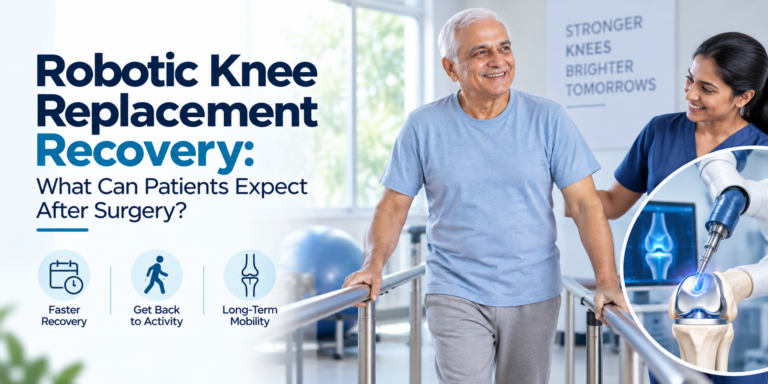
Every patient’s recovery will be different; however, most patients will begin to be able to walk within days of their surgery (with medical assistance). Components of Recovery typically include: Physical Therapy (Physiotherapy and Rehabilitation); Gradual Walking and Movement Exercises; Pain Management; and Strengthening Exercises for the Knee. Most patients will be able to return to their normal day-to-day activities within weeks or months after their surgery, depending on how well they’ve been rehabilitating.. There are a lot of factors that are part of how healthy you are prior to surgery, and your rehabilitation program.
Can Robotic Knee Replacement Last Longer?
Accurate implant placement may reduce uneven wear on the artificial joint. Because of this, robotic-assisted knee replacement may improve implant longevity and overall joint function over time.
Expert Advice from Doctor Abhinandan in Kanakapura Road
If you are suffering from severe knee pain or arthritis in Kanakapura Road, consulting an experienced orthopedic surgeon is important to determine whether robotic knee replacement surgery is the right option for you.
Patients are usually advised to:
- Try non-surgical knee pain treatment first
- Consider surgery only when pain affects daily life
- Follow proper rehabilitation after surgery
Early evaluation and treatment planning can help improve long-term knee health.
How to Protect Your Knee Joints
To maintain healthy knees and reduce joint damage:
- Maintain a healthy body weight
- Stay physically active
- Strengthen leg muscles regularly
- Avoid excessive strain on the knees
- Seek treatment early for persistent knee pain
Conclusion
advanced knee surgery offers advanced precision and improved surgical planning compared to traditional knee replacement surgery. While not every patient requires robotic-assisted surgery, it may provide better alignment, improved recovery, and enhanced long-term outcomes for people with severe knee arthritis or joint damage. Consulting an experienced orthopaedic specialist in Kanakapura Road can help determine the best treatment option for your condition.
About Dr. Abhinandan Punit
Dr. Abhinandan S Punit is a European Board-Certified Orthopaedic Surgeon based in Bangalore with over 15 years of experience in advanced joint replacement and minimally invasive orthopaedic procedures. He specialises in robotic knee replacement surgery, sports injury treatment, hip replacement surgery, and physiotherapy-guided rehabilitation to help patients regain mobility and improve quality of life.
Frequently Asked Questions
Is robotic knee replacement better than normal knee replacement?
Robotic knee replacement may provide greater precision and improved implant alignment compared to traditional surgery, which can improve recovery and long-term joint function.
How long does recovery take after robotic knee replacement?
Most patients recover within several weeks to months depending on rehabilitation, physiotherapy, and overall health condition.
Is robotic knee replacement painful?
Patients may experience temporary discomfort after surgery, but pain is usually managed with medications and rehabilitation exercises.
Who is a good candidate for robotic knee replacement?
People with severe arthritis, chronic knee pain, or advanced joint damage who do not improve with physiotherapy for knee pain may benefit from robotic knee replacement.
Can robotic knee replacement improve mobility?
Yes, robotic-assisted surgery can improve joint function, reduce pain, and help patients regain mobility after recovery.