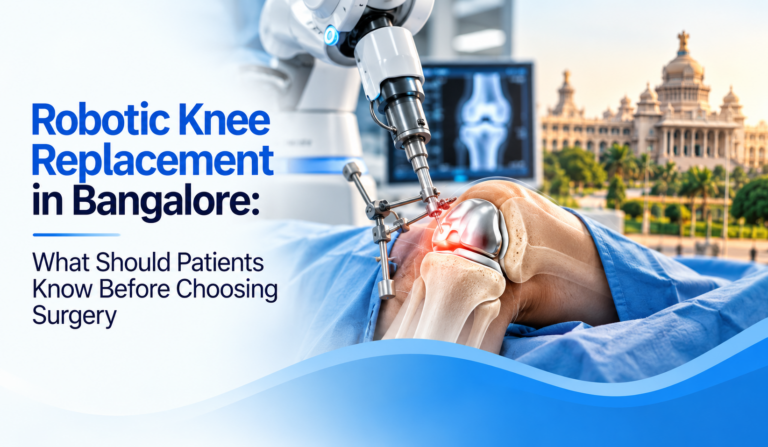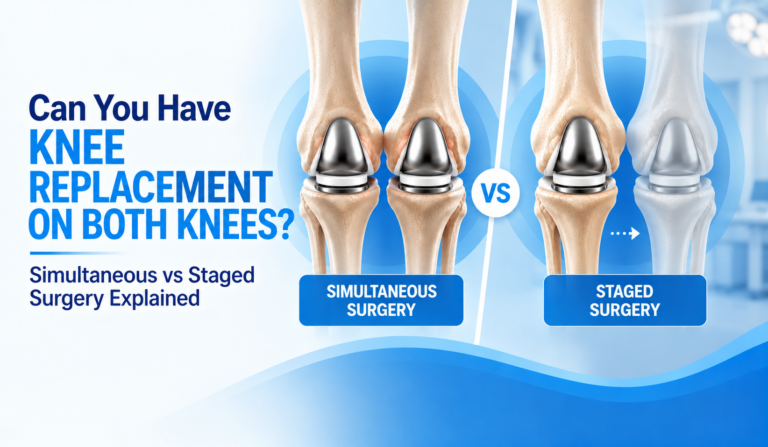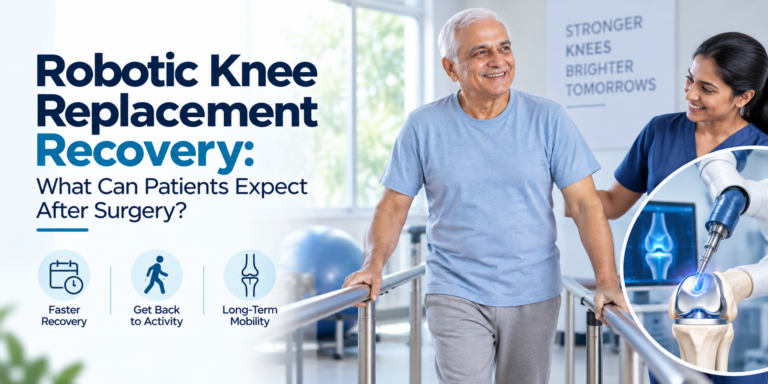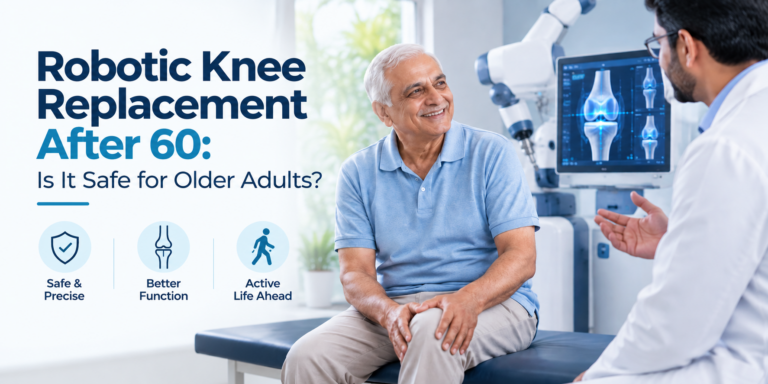

Recovery after robotic knee replacement in Kanakapura involves more than completing the surgery. Following the rehabilitation plan, maintaining safe movement, taking medicines as prescribed, and attending follow-up appointments can support recovery. Dr. Abhinandan Punit, with 15+ years of orthopaedic experience and 6,000+ surgeries, provides individualised guidance based on each patient’s recovery needs.
What Are the Common Mistakes After Robotic Knee Replacement?
Common mistakes include avoiding movement because of fear of pain, doing too much activity too soon, skipping physiotherapy, ignoring swelling, stopping exercises early, and returning to demanding activities before the knee is ready. Recovery is gradual, so patients should follow their surgeon’s instructions rather than comparing their progress with someone else.
1. Skipping Physiotherapy
Physiotherapy plays an important role in improving knee movement, strength, balance, and walking ability after surgery. Missing sessions or stopping exercises once the knee feels better can slow progress. Patients should follow the rehabilitation programme recommended by their surgeon and physiotherapy team.
2. Doing Too Much Too Soon
Feeling better after surgery can encourage patients to increase walking, climbing stairs, household work, or other activities quickly. However, excessive activity can increase pain and swelling. Activity should be increased gradually according to the recovery plan and the surgeon’s instructions.
3. Avoiding Movement Completely
Fear of pain can sometimes make patients avoid walking or moving the knee. Appropriate early movement is generally an important part of rehabilitation when medically permitted. Patients should follow the movement and walking instructions provided by their treating team rather than remaining inactive for long periods.
Can Ignoring Pain and Swelling Slow Recovery?
Persistent or increasing pain and swelling should not simply be ignored. Some discomfort and swelling can occur during recovery, but symptoms that are severe, worsening, or associated with other concerning signs should be discussed with the treating surgeon. Early medical assessment can help identify problems that require attention.
Why Is Following the Exercise Plan Important?
The rehabilitation programme is designed to gradually improve knee mobility, muscle strength, walking ability, and daily function. Exercises should be performed consistently and correctly rather than only when the knee feels stiff. Patients should not add strenuous exercises independently without discussing them with their physiotherapist or surgeon.
When Should You Increase Your Activity After Knee Replacement?
Activity should generally increase gradually rather than following a fixed schedule for every patient. Your recovery depends on factors such as your overall health, knee condition, mobility before surgery, surgical procedure, and rehabilitation progress. Your surgeon and physiotherapist can guide you on when to increase walking, stairs, exercises, and daily activities.
What Should You Avoid During Robotic Knee Replacement Recovery?
Patients should avoid activities that place excessive stress on the recovering knee before they are medically appropriate.
- Avoid strenuous exercise without clearance from your medical team.
- Do not ignore persistent or worsening knee pain.
- Avoid suddenly increasing walking distance or activity levels.
- Do not skip prescribed physiotherapy sessions or home exercises.
- Avoid comparing your recovery timeline with another patient.
- Follow medication instructions provided by your treating team.
- Attend scheduled follow-up appointments for recovery assessment.
How Can Patients Support Recovery After Robotic Knee Replacement?
A consistent routine can help patients stay on track during recovery. Follow the prescribed exercise programme, gradually increase activity, use walking support when advised, take medicines as directed, maintain recommended follow-up appointments, and communicate any concerning symptoms to your medical team.
Patients can also learn more about robotic knee replacement recovery to understand the rehabilitation process and what to expect after surgery.
What Happens If You Return to Normal Activities Too Early?
Returning to demanding activities before adequate recovery may increase pain, swelling, or strain on the recovering knee. Normal activities should be resumed progressively according to your surgeon’s advice. Activities such as driving, exercising, climbing stairs, and returning to work may require different timelines depending on the individual patient.
What Warning Signs Should You Not Ignore?
Contact your treating medical team if you experience severe or worsening pain, increasing swelling, fever, wound problems, unusual discharge, significant redness, or difficulty with movement that is getting worse rather than better. Your surgeon can determine whether these symptoms are part of normal recovery or require further evaluation.
How Can Dr. Abhinandan Punit Help With Robotic Knee Replacement Recovery in Kanakapura?
Dr. Abhinandan S. Punit is an Orthopaedic and Robotic Joint Replacement Surgeon in Kanakapura Road, Bangalore, with 15+ years of experience and 6,000+ orthopaedic surgeries. He holds an MS and DNB in Orthopaedics, an MCh from the University of Edinburgh, UK, and an MSc in Sports and Exercise Medicine from the University of South Wales. His international training in joint replacement and sports medicine supports his personalised treatment approach for patients seeking robotic knee replacement in Kanakapura.
Conclusion: How Can You Avoid Common Recovery Mistakes?
Successful recovery after robotic knee replacement surgery depends on consistent physiotherapy, gradual activity, following medical advice, and attending follow-up appointments. Avoiding rehabilitation, overexerting the knee, or ignoring unusual symptoms may affect your recovery.
Dr. Abhinandan S. Punit, an Orthopaedic and Robotic Joint Replacement Surgeon practising on Kanakapura Road in Bangalore, has 15+ years of experience and 6,000+ orthopaedic surgeries. He provides personalised treatment planning and follow-up care for patients undergoing knee replacement. If knee pain is limiting your daily activities, take the next step towards better mobility by booking a consultation with Dr. Abhinandan Punit to discuss your symptoms, treatment options, and recovery goals.
Frequently Asked Questions About Robotic Knee Replacement Recovery
Can walking too much slow knee replacement recovery?
Doing more walking than recommended can increase pain and swelling during recovery. Walking should usually be increased gradually according to your surgeon’s and physiotherapist’s instructions. The appropriate amount of walking can differ between patients, so your recovery plan should guide how quickly you increase activity.
Should I stop physiotherapy if my knee feels better?
No. Feeling better does not necessarily mean that rehabilitation is complete. Physiotherapy helps improve knee movement, muscle strength, balance, and walking ability. Patients should continue the recommended programme and discuss any changes with their physiotherapist or surgeon before stopping exercises.
What is the biggest mistake after robotic knee replacement?
One common mistake is trying to progress too quickly. Patients may increase walking, exercise, household activities, or other physical demands before the knee has adequately recovered. A gradual approach, consistent rehabilitation, and regular communication with the treating medical team can help support a safer recovery.
When should I contact my doctor after knee replacement?
Patients should contact their medical team if they develop severe or worsening pain, increasing swelling, fever, wound problems, unusual discharge, or other symptoms that concern them. Your treating surgeon can assess whether the symptoms are part of normal recovery or require further evaluation.
Why Consult Dr. Abhinandan Punit for Robotic Knee Replacement in Kanakapura?
Dr. Abhinandan Punit has 15+ years of orthopaedic experience and has performed 6,000+ orthopaedic surgeries. He provides robotic joint replacement care at Elite Orthocare & Multi-Speciality Clinic, Kanakapura Road, Bangalore, with individualised treatment and recovery guidance based on each patient’s condition and rehabilitation needs.