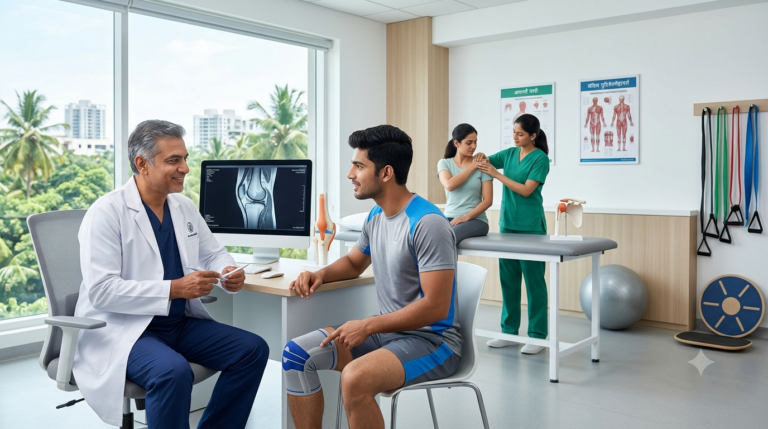

Can Sports Injuries Heal Naturally?
Yes, many sports injuries can heal naturally without surgery, especially when the injury is mild or diagnosed early. Rest, physiotherapy, medications, rehabilitation exercises, and proper recovery can help reduce pain and restore movement in many cases. However, severe ligament tears, fractures, or joint instability may still require surgical treatment depending on the extent of the injury.
What Are Sports Injuries?
Sports injuries affect muscles, ligaments, tendons, bones, and joints during physical activity or exercise. These injuries commonly occur during sports, gym workouts, running, cycling, or sudden movements.
Some common sports injuries include:
- Ligament sprains
- Muscle strains
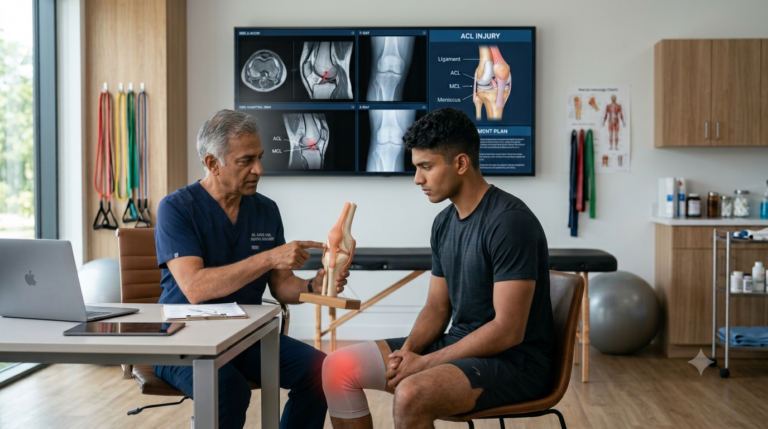
- ACL injuries
- Meniscus tears
- Tennis elbow
- Shoulder injuries
- Ankle sprains
- Knee pain from overuse
Athletes and physically active individuals are more likely to experience these injuries.
Which Sports Injuries Can Heal Without Surgery?
Many mild to moderate injuries improve with conservative treatment. These may include:
- Mild ligament sprains
- Muscle strains
- Minor tendon injuries
- Mild meniscus irritation
- Overuse injuries
- Mild ankle sprains
- Shoulder inflammation
Proper rest and rehabilitation are important for natural healing.
How Does Natural Healing Work?
The body has the ability to repair damaged tissues over time. Recovery usually depends on:
- Severity of the injury
- Age and overall health
- Early treatment
- Physiotherapy participation
- Rest and rehabilitation
Most soft tissue injuries heal gradually with proper care and guided recovery exercises.
Non-Surgical Treatment for Sports Injuries
Doctors may recommend non-surgical sports injury treatment options such as:
Rest and Activity Modification
Reducing physical activity helps prevent further damage and supports healing.
Physiotherapy
Physiotherapy for sports injuries improves flexibility, strength, and joint stability through guided exercises.
Ice and Compression
Ice packs and compression help reduce swelling and pain after injury.
Pain Management
Doctors may recommend medications to reduce inflammation and discomfort.
Rehabilitation Exercises
Strengthening and mobility exercises help restore movement and prevent re-injury.
When Is Surgery Not Needed?
Surgery may not be necessary if:
- The injury is mild or partial
- Joint stability is maintained
- Pain improves with physiotherapy
- Daily activities can be performed comfortably
- The patient responds well to rehabilitation
Many patients recover successfully without surgery through consistent treatment and rehabilitation.
When Might Surgery Be Required?
Some sports injuries may require surgery if:
- Ligaments are completely torn
- Fractures are severe
- Joint instability continues
- Pain persists despite treatment
- Movement becomes severely restricted
- Athletes need full joint stability for sports
ACL tears, major tendon ruptures, and severe cartilage damage sometimes require surgical repair.
How Long Does Recovery Take?
Recovery time depends on the type and severity of the injury, as well as the treatment approach used.
Mild Injuries
Minor injuries may heal within a few days to a few weeks with proper rest and basic treatment.
Moderate Injuries
Moderate injuries often require several weeks of physiotherapy and rehabilitation to regain strength and mobility.
Severe Injuries
Serious injuries, especially those requiring surgery, may take several months for full recovery and return to normal activities.
Consistent rehabilitation, physiotherapy, and following medical advice play an important role in speeding up recovery and preventing future injuries.
Can Physiotherapy Help Avoid Surgery?
In many cases, physiotherapy can reduce the need for surgery by:
- Improving muscle strength
- Supporting injured joints
- Reducing pain and swelling
- Restoring movement
- Improving balance and stability
Early physiotherapy often improves long-term recovery outcomes.
Tips to Heal Sports Injuries Faster
To support faster healing:
- Rest the injured area
- Avoid excessive strain
- Follow physiotherapy regularly
- Maintain proper nutrition
- Stay hydrated
- Perform rehabilitation exercises consistently
- Avoid returning to sports too early
Recovery improves when treatment begins early.
How to Prevent Sports Injuries
You can reduce injury risk by:
- Warming up before exercise
- Strengthening muscles regularly
- Using proper sports techniques
- Wearing supportive footwear
- Avoiding overtraining
- Stretching after workouts
Conditioning and flexibility exercises help protect joints and muscles.
About Dr. Abhinandan Punit
Dr. Abhinandan S Punit is a European Board-Certified Orthopaedic Surgeon based in Bangalore with over 15 years of experience in sports injury treatment, robotic joint replacement, knee ligament surgery, and minimally invasive orthopaedic procedures. He specialises in physiotherapy-guided recovery and rehabilitation-focused care designed to improve mobility and long-term joint health.
Connect with Dr. Abhinandan Punit on LinkedIn Profile for expert insights on orthopaedic care, sports injuries, knee replacement surgery, and rehabilitation:
Conclusion
Many sports injuries can heal naturally without surgery when treated early with rest, physiotherapy, and rehabilitation. Mild ligament injuries, muscle strains, and overuse injuries often improve with conservative treatment. However, severe injuries involving complete tears or joint instability may still require surgery. Proper diagnosis and expert guidance are important for achieving safe recovery and returning to physical activity.
Expert Advice from Dr. Abhinandan Punit
If you experience persistent pain, swelling, instability, or reduced movement after a sports injury, consulting an orthopaedic specialist is important. Early diagnosis helps determine whether non-surgical treatment or surgery is the best option for recovery.
Many patients recover successfully with physiotherapy, rehabilitation, and guided treatment without needing surgery.
CTA – Don’t Ignore Persistent Sports Injuries
If your injury:
- causes ongoing pain,
- swelling after activity,
- difficulty moving,
- or repeated joint instability,
An orthopaedic evaluation may help identify the problem early and prevent long-term damage.
Book a Consultation with Dr. Abhinandan S Punit
✔ Sports injury assessment
✔ Ligament and joint evaluation
✔ Physiotherapy and rehabilitation guidance
✔ Non-surgical and surgical treatment planning
📍 Elite Orthocare – Kanakapura Road
📍 Narayana Clinic – Electronic City, Bangalore
📞 Call / WhatsApp: +91 86182 92628
Frequently Asked Questions
Can sports injuries heal without surgery?
Yes, many mild to moderate sports injuries improve with physiotherapy, rest, rehabilitation, and non-surgical treatment.
Which sports injuries usually need surgery?
Complete ligament tears, severe fractures, major tendon injuries, and unstable joints may require surgery.
How long do sports injuries take to heal?
Recovery may take days, weeks, or months depending on the severity of the injury.
Is physiotherapy important for sports injury recovery?
Yes, physiotherapy helps improve strength, flexibility, movement, and overall recovery after injury.
When should I see a doctor for a sports injury?
You should see a doctor if pain, swelling, instability, or difficulty moving continues after an injury.
Can I play sports again after a sports injury?
Most people can return to sports after proper recovery and rehabilitation. Recovery time depends on the type and severity of the injury.