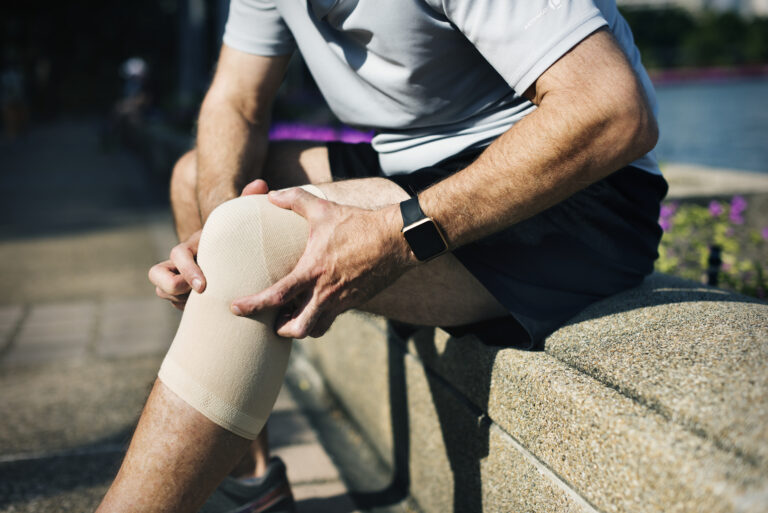

A sports medicine consultation is best when you need a diagnosis, imaging, or a treatment plan for a new or serious injury, while physiotherapy is best for ongoing rehabilitation, strength building, and recovery guidance. Often, the right approach is both: a sports medicine specialist diagnoses the problem, and physiotherapy supports the healing process. Orthopedic specialists like Dr. Abhinandan Punit often see patients caught in this exact confusion, unsure whether their pain needs a medical diagnosis first or simply ongoing rehab.
Pain after a sports injury, gym session, or even everyday activity often leaves people confused about where to start — should you book a doctor’s consultation or head straight to a physiotherapist? Choosing wrong can delay recovery or, worse, allow a minor injury to become a chronic one. This blog breaks down the difference between sports medicine consultation vs physiotherapy, so you know exactly which one fits your situation.
What Is a Sports Medicine Consultation?
A sports medicine consultation is a medical evaluation by a specialist doctor trained to diagnose and treat sports-related injuries. It typically involves a clinical examination, imaging like X-rays or MRI if needed, and a treatment plan that may include medication, injections, physiotherapy referral, or surgery for more serious injuries.
What Is Physiotherapy?
Physiotherapy is a hands-on rehabilitation treatment that uses targeted exercises, manual therapy, and movement techniques to restore strength, flexibility, and function. It’s commonly used to recover from injuries, surgeries, or chronic pain, and focuses on gradual, guided improvement rather than immediate diagnosis or medical intervention.
Sports Medicine Consultation vs Physiotherapy: Key Differences
| Factor | Sports Medicine Consultation | Physiotherapy |
| Purpose | Diagnosis and medical treatment plan | Rehabilitation and functional recovery |
| Who provides it | Orthopedic/sports medicine specialist | Licensed physiotherapist |
| Includes imaging (X-ray/MRI) | Yes, when required | No, works from existing diagnosis |
| Treatment options | Medication, injections, surgery, referral | Exercises, manual therapy, mobility work |
| Best for | New, unclear, or severe injuries | Post-injury or post-surgery recovery |
When Should You Choose a Sports Medicine Consultation Over Physiotherapy?
Some injuries need a medical diagnosis before any rehabilitation plan can safely begin. Consider a sports medicine consultation first if:
- You heard a pop or felt a sudden “giving way” sensation
- Swelling appeared quickly after the injury
- Pain is severe or getting worse instead of improving
- You cannot bear weight or move the joint normally
- Symptoms haven’t improved after a week of rest
- You need imaging like an X-ray or MRI to confirm the issue
If you have a new or persistent sports-related injury, you can book a sports medicine consultation with Dr. Abhinandan Punit for a proper evaluation and personalised treatment plan.
What Are the Signs That Physiotherapy Alone Might Be Enough?
Not every ache needs a doctor’s visit first. Physiotherapy alone may be appropriate when:
- Pain is mild and linked to overuse or muscle strain
- You’ve already received a diagnosis from a doctor
- You’re recovering from a past injury or surgery
- Movement is limited but not accompanied by severe swelling
- Your goal is strength, flexibility, or performance improvement
- A doctor has specifically prescribed physiotherapy as treatment
How Do Sports Medicine Specialists and Physiotherapists Work Together?
In most real recovery journeys, sports medicine and physiotherapy aren’t competing options — they work as a team. A sports medicine specialist first identifies exactly what’s wrong through examination and imaging, rules out serious damage, and decides if injections, medication, or surgery are needed. Once a clear diagnosis is made, physiotherapy takes over to rebuild strength, restore range of motion, and guide a safe return to daily activity or sport.
About Dr. Abhinandan Punit – Sports Medicine Specialist in Bangalore
Dr. Abhinandan Punit is a Consultant Orthopedic Surgeon specialising in Sports Medicine and Robotic Joint Replacement, holding an MS in Orthopaedics (Kasturba Medical College, Manipal University), a DNB, an MCh in Orthopaedics (Edinburgh), and an MSc in Sports & Exercise Medicine, along with fellowship training in Robotic Joint Replacement and Sports Medicine across the UK, Europe, and Australia.
With 15+ years of clinical experience and 6,000+ orthopedic surgeries, Dr. Abhinandan Punit has worked with both amateur and elite athletes, including those from the Sports Authority of India, Bangalore. His sports medicine practice covers ligament injuries, muscle strains, tendonitis, joint injuries, and chronic pain conditions, with most cases managed through non-surgical treatment, physiotherapy-led rehabilitation, and targeted injections — surgery is considered only when genuinely necessary.
He is the founder of Elite Orthocare Multi-Specialty Clinic in Raghuvanahalli, Bangalore, and also practices as a consultant orthopedic surgeon at Narayana Health City, Bommasandra, and Narayana Clinic, Electronic City. To determine whether you need a sports medicine consultation, physiotherapy, or both, you can read more on his official website at doctorabhinandanpunit.com.
Frequently Asked Questions
Should I see a sports medicine doctor or a physiotherapist first?
If your injury is new, severe, or accompanied by swelling and instability, see a sports medicine doctor first for proper diagnosis and imaging. For ongoing recovery, mild strains, or a condition already diagnosed by a doctor, starting directly with physiotherapy is usually appropriate and effective.
Can physiotherapy heal an injury without a doctor’s diagnosis?
Physiotherapy can help with mild, overuse-related pain, but injuries involving severe pain, swelling, or instability need a proper diagnosis first. Treating an undiagnosed serious injury with physiotherapy alone risks delayed recovery or worsening the damage, so a specialist evaluation is safer for unclear cases.
Do all sports injuries need surgery?
No, most sports injuries are managed without surgery. Non-surgical treatment options like physiotherapy, rest, medication, and targeted injections resolve the majority of cases. Surgery is typically considered only when the injury is severe, doesn’t respond to conservative treatment, or significantly affects joint stability.
How long does physiotherapy take to show results?
Recovery timelines vary by injury type and severity, but many patients notice gradual improvement within a few weeks of consistent physiotherapy. Full recovery for more significant injuries can take a few months, depending on how closely the rehabilitation plan and exercises are followed.
What conditions does a sports medicine specialist treat?
A sports medicine specialist treats ligament injuries, muscle strains, joint injuries, tendonitis, fractures, and chronic pain conditions related to sports or activity. They also guide injury prevention through proper technique and strength training, in addition to diagnosing and managing existing injuries.
Is a sports medicine consultation only for athletes?
No, sports medicine consultations aren’t limited to professional athletes. They’re equally useful for gym-goers, weekend sports players, and anyone dealing with an activity-related injury, joint pain, or a condition like tendonitis, regardless of their fitness level or competitive involvement.
What happens during a first sports medicine consultation?
A first consultation with Dr. Abhinandan Punit typically includes a discussion of your symptoms and injury history, a physical examination, and imaging such as an X-ray or MRI if needed. Based on the findings, he recommends an appropriate treatment plan, which may include physiotherapy, medication, or further evaluation.