
Physiotherapy for knee pain in Kanakapura Road helps reduce pain, improve mobility, strengthen the muscles around the knee, and support recovery from arthritis, sports injuries, overuse conditions, and post-surgical rehabilitation. Through personalised exercise programs, manual therapy, and movement training, many patients experience significant improvement in knee function and quality of life without requiring surgery.
What Is Physiotherapy for Knee Pain?
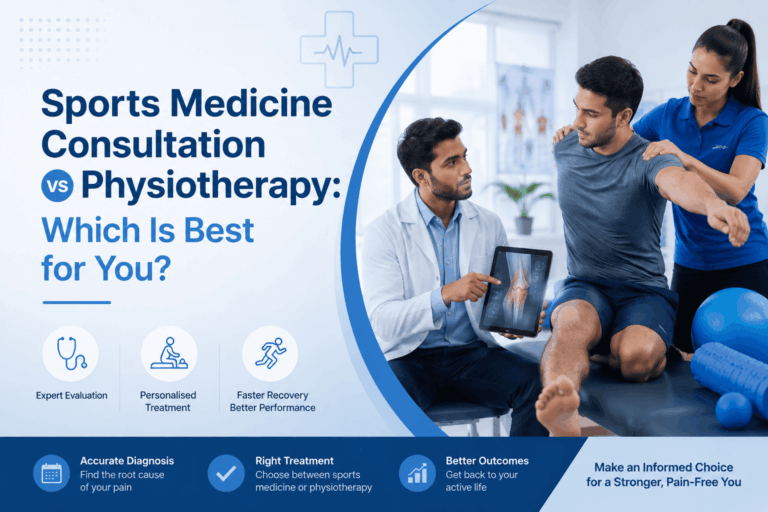
Physiotherapy is a specialized treatment approach that uses targeted exercises, manual therapy, movement training, and rehabilitation techniques to relieve pain and improve knee function. A physiotherapist develops a personalized treatment plan based on the underlying cause of knee pain, severity of symptoms, and individual recovery goals.
Many patients experience significant improvement through physiotherapy without requiring surgery.
Common Causes of Knee Pain
Several conditions can lead to knee pain and reduced mobility.
Osteoarthritis
Osteoarthritis occurs when the protective cartilage within the knee joint gradually wears down, causing pain, stiffness, and swelling.
Common symptoms include:
- Knee stiffness in the morning
- Pain during walking
- Swelling around the joint
- Reduced range of motion
Sports Injuries
Sports-related injuries can damage ligaments, tendons, cartilage, and muscles around the knee.
Common sports injuries include:
Overuse Injuries
Repetitive activities such as running, jumping, or prolonged standing can place excessive stress on the knee joint and surrounding tissues.
Post-Surgical Rehabilitation
Patients recovering from knee replacement surgery, ACL reconstruction, or other orthopaedic procedures often require physiotherapy to regain strength and mobility.
Benefits of Physiotherapy for Knee Pain
Physiotherapy provides several benefits for patients experiencing knee pain.
Pain Reduction
Targeted exercises and manual therapy techniques help reduce inflammation and relieve pain without excessive reliance on medications.
Improved Mobility
Physiotherapy helps restore normal joint movement, making everyday activities easier and more comfortable.
Increased Strength
Strengthening exercises focus on the muscles surrounding the knee, including the quadriceps, hamstrings, and calf muscles, providing better joint support.
Better Balance and Stability
Improved balance reduces the risk of falls and further injury, especially in older adults.
Faster Recovery
Patients recovering from injuries or surgery often achieve better outcomes with a structured physiotherapy program.
Physiotherapy Techniques Used for Knee Pain
A physiotherapist may recommend a combination of treatments depending on the condition.
Therapeutic Exercises
These exercises help strengthen muscles, improve flexibility, and restore joint function.
Examples include:
- Quadriceps strengthening exercises
- Hamstring stretches
- Straight leg raises
- Step-up exercises
- Range-of-motion exercises
Manual Therapy
Hands-on treatment techniques may be used to improve joint mobility and reduce stiffness.
Gait Training
Patients with walking difficulties may benefit from gait correction and movement retraining.
Balance and Functional Training
These exercises help patients safely return to daily activities and recreational activities.
Posture and Movement Education
Learning proper movement patterns can reduce strain on the knee joint and prevent future injuries.
When Should You Consider Physiotherapy for Knee Pain?
You should consider physiotherapy if you experience:
- Persistent knee pain lasting several weeks
- Difficulty walking or climbing stairs
- Knee stiffness
- Reduced mobility
- Sports-related knee injuries
- Recovery after knee surgery
- Recurrent knee swelling
Early intervention often helps prevent worsening symptoms and improves long-term outcomes.
Can Physiotherapy Help Avoid Surgery?
In many cases, physiotherapy can significantly reduce symptoms and improve function without surgery. Conditions such as mild arthritis, tendon injuries, muscle weakness, and certain ligament injuries often respond well to conservative treatment.
However, advanced joint damage or severe structural injuries may eventually require surgical intervention.
Physiotherapy After Knee Replacement Surgery
Physiotherapy plays a critical role after knee replacement surgery.
Benefits include:
- Faster recovery
- Improved knee flexibility
- Better walking ability
- Increased strength
- Reduced stiffness
A structured rehabilitation program helps patients return to normal activities safely and efficiently.
Why Choose Physiotherapy for Knee Pain in Kanakapura Road?
Patients in Kanakapura Road can access personalised physiotherapy programs, advanced rehabilitation techniques, and expert orthopaedic care close to home. Early treatment may help reduce pain, improve mobility, and support long-term knee health.
Consult Dr. Abhinandan Punit for Knee Pain Treatment in Kanakapura Road
Looking for physiotherapy for knee pain in Kanakapura Road? Book a consultation with Dr. Abhinandan Punit at Elite Orthocare, Bangalore, Kanakapura Road for a detailed evaluation and personalised rehabilitation plan.
Conclusion
Physiotherapy for knee pain in Kanakapura Road is an effective, non-surgical treatment option for individuals experiencing knee discomfort, stiffness, injury, or reduced mobility. Through personalized rehabilitation programs, strengthening exercises, and movement training, physiotherapy can help relieve pain, improve function, and enhance quality of life. Early treatment and professional guidance can support faster recovery and better long-term knee health.
Expert Advice from Dr. Abhinandan Punit
According to Dr. Abhinandan Punit:
“Physiotherapy is often one of the most effective non-surgical treatments for knee pain. Early rehabilitation can help reduce pain, improve mobility, strengthen the joint, and support long-term knee health.”
Frequently Asked Questions
Can physiotherapy cure knee pain permanently?
Physiotherapy can significantly reduce pain and improve function, but long-term results depend on the underlying condition and adherence to treatment recommendations.
How long does it take for physiotherapy to reduce knee pain?
Many patients notice improvement within a few weeks of starting physiotherapy. Recovery time varies depending on the cause of knee pain, treatment consistency, and overall health.
How many physiotherapy sessions are needed for knee pain?
The number of sessions varies based on the severity of the condition, but many patients begin noticing improvement within a few weeks.
Is physiotherapy better than pain medication?
Physiotherapy addresses the underlying cause of pain, whereas medications primarily provide temporary symptom relief.
Can physiotherapy help knee arthritis?
Yes. Physiotherapy can improve mobility, strengthen supporting muscles, and reduce pain associated with knee osteoarthritis.
When should I see a physiotherapist for knee pain?
You should seek professional evaluation if knee pain persists, limits daily activities, causes swelling, or affects your ability to walk comfortably.