
Knee Replacement Recovery Time for Elderly Patients: What to Expect
Knee replacement recovery time for elderly patients typically ranges from 3 to 6 months for most daily activities, while full recovery can take up to 12 months. Recovery depends on age, overall health, physiotherapy participation, muscle strength, and the type of knee replacement surgery performed.
What Is Knee Replacement Recovery Time for Elderly Patients?
Knee replacement recovery time for elderly patients refers to the period required to regain mobility, reduce pain, rebuild strength, and return to normal activities after knee replacement surgery. While many elderly patients begin walking within 24 hours, complete recovery occurs gradually over several months.
Why Does Recovery Take Longer in Some Elderly Patients?
Recovery speed varies because aging naturally affects muscle strength, bone health, balance, and healing capacity. Medical conditions such as diabetes, obesity, heart disease, or osteoporosis may also influence recovery progress and rehabilitation outcomes.
What Happens During the First Week After Knee Replacement Surgery?
The first week focuses on pain management, swelling control, and safe mobility. Most patients start standing and walking with assistance within 24 hours after surgery. Physiotherapy exercises begin early to improve circulation, prevent stiffness, and support joint movement.
What Happens During Weeks 2 to 6 of Recovery?
During this phase, patients gradually increase walking distance and improve knee flexibility. Swelling usually decreases, and many patients become more independent with daily activities such as dressing, bathing, and moving around the home.
What Happens During Months 2 to 3 of Recovery?
Most elderly patients experience significant improvements in mobility during months two and three. Walking becomes easier, strength improves, and dependence on walking aids may decrease. Regular physiotherapy remains important for restoring function and confidence.
What Happens Between 3 and 6 Months After Surgery?
Many patients return to most normal daily activities during this period. Joint stiffness continues to improve, walking endurance increases, and participation in low-impact activities becomes easier. Functional recovery is often achieved within this timeframe.
How Long Does Full Recovery Take After Knee Replacement?
Although many patients feel substantially better within 3 to 6 months, full recovery may continue for up to 12 months. The knee continues adapting to the implant while strength, balance, flexibility, and overall function gradually improve.
What Factors Affect Knee Replacement Recovery Time for Elderly Patients?
Several factors influence recovery speed:
- Overall physical health before surgery
- Participation in physiotherapy sessions
- Muscle strength around the knee joint
- Presence of chronic medical conditions
- Nutritional status and protein intake
- Body weight and mobility level
- Family support during rehabilitation
What Is the Week-by-Week Recovery Timeline for Elderly Patients?
| Recovery Stage | Typical Timeline | Expected Progress |
|---|---|---|
| Hospital Recovery | Day 1–3 | Standing and walking with assistance |
| Early Home Recovery | Week 1–2 | Pain control and mobility exercises |
| Functional Recovery | Week 3–6 | Increased independence in daily activities |
| Strength Building | Month 2–3 | Better walking and improved knee function |
| Advanced Recovery | Month 3–6 | Return to most daily activities |
| Full Recovery | Up to 12 Months | Maximum strength and mobility improvement |
What Is the Difference Between Recovery in Elderly and Younger Patients?
| Factor | Elderly Patients | Younger Patients |
| Healing Speed | Generally slower | Usually faster |
| Muscle Strength | Lower baseline strength | Better muscle reserve |
| Balance Recovery | May require additional training | Often recovers faster |
| Physiotherapy Duration | Frequently longer | Sometimes shorter |
| Walking Aid Use | May need longer support | Earlier independence |
| Full Recovery Timeline | Up to 12 months | Often shorter |
What Can Elderly Patients Do to Recover Faster?
Patients can support recovery by:
- Following physiotherapy instructions consistently.
- Performing approved exercises daily.
- Maintaining a healthy diet rich in protein.
- Managing medical conditions effectively.
- Using walking aids as advised.
- Staying physically active within safe limits.
- Attending scheduled follow-up appointments.
Is Physiotherapy Important After Knee Replacement Surgery?
Yes. Physiotherapy is one of the most important factors affecting knee replacement recovery time for elderly patients. It helps improve flexibility, muscle strength, walking ability, balance, and overall joint function while reducing stiffness and improving confidence during movement.
When Should Elderly Patients Contact Their Surgeon During Recovery?
Patients should seek medical attention if they experience:
- Increasing pain instead of gradual improvement
- Persistent fever
- Excessive wound drainage
- Significant swelling in the leg
- Sudden difficulty walking
- Chest pain or breathing difficulty
- Signs of infection around the incision
Why Do Many Elderly Patients Consider Robotic Knee Replacement?
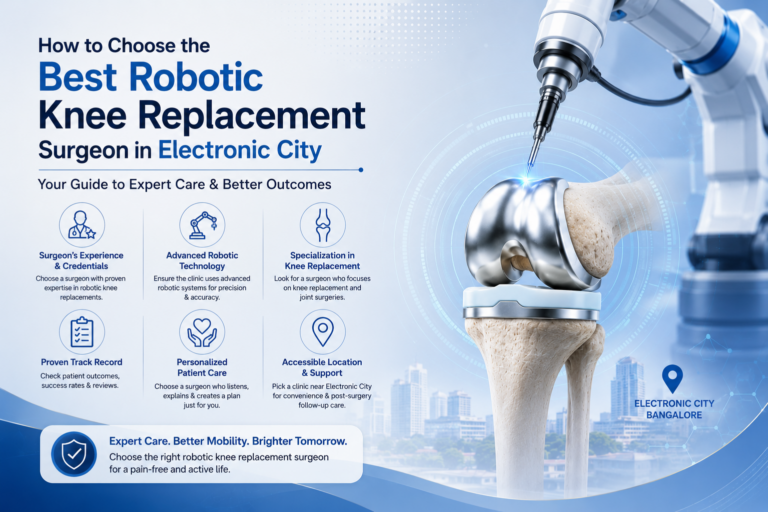
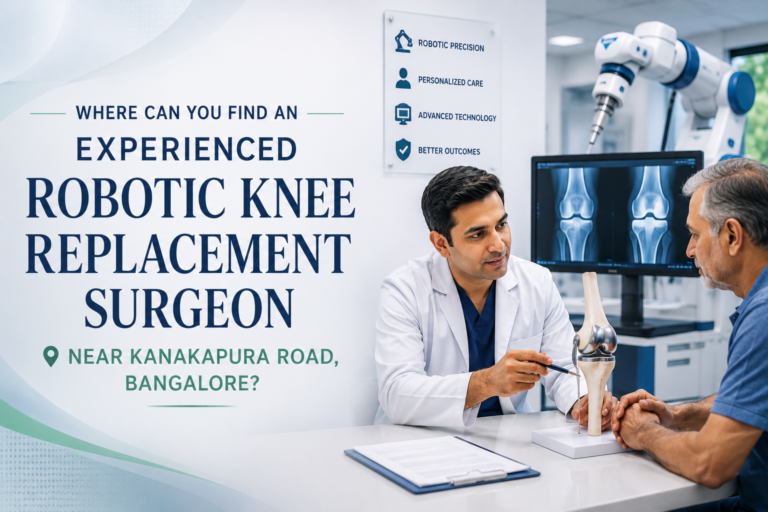
Robotic-assisted knee replacement helps surgeons plan procedures with greater precision and personalized alignment. Many patients considering robotic knee replacement seek detailed information about recovery expectations and rehabilitation outcomes before making treatment decisions.
How Does Dr. Abhinandan Punit Help Elderly Knee Replacement Patients?
Dr. Abhinandan Punit is an Orthopedic & Robotic Joint Replacement Surgeon with 15+ years of clinical experience and 6,000+ orthopedic surgeries performed. He specializes in MAKO, CORI, and Cuvis robotic systems and helps patients understand treatment options, recovery expectations, and rehabilitation planning.
Dr. Abhinandan Punit practices at:
Qualifications:
- MCh Orthopaedics, University of Edinburgh (UK)
- Advanced International Orthopedic Fellowships
- ISHKS Member
- ISTA Member
Consult Dr. Abhinandan Punit
If you or a family member is considering knee replacement surgery and would like to understand recovery expectations, rehabilitation planning, or robotic knee replacement options, schedule a consultation with Dr. Abhinandan Punit. He consults patients at Elite Orthocare, Kanakapura Road, and Narayana Clinic, Electronic City, Bangalore, providing evidence-based orthopedic care tailored to individual recovery goals.
Frequently Asked Questions About Knee Replacement Recovery Time for Elderly Patients
Can an 80-year-old recover successfully from knee replacement surgery?
Yes. Many patients in their 70s and 80s recover successfully after knee replacement surgery. Recovery depends more on overall health, fitness level, medical conditions, and participation in rehabilitation than age alone. Proper physiotherapy and medical guidance play important roles in achieving good outcomes.
How soon can elderly patients walk after knee replacement surgery?
Most elderly patients begin standing and walking with assistance within 24 hours after surgery. Walking distance gradually increases over the following days and weeks under physiotherapy supervision. Early movement helps improve circulation and supports recovery.
How painful is recovery after knee replacement surgery?
Some discomfort is expected after surgery, particularly during the early recovery period. However, modern pain management techniques, medications, ice therapy, and physiotherapy help control symptoms and improve comfort throughout rehabilitation.
How long do elderly patients need a walker after surgery?
Many patients use a walker for several weeks after surgery, although timelines vary. Progress depends on balance, strength, confidence, and overall recovery. The surgeon and physiotherapist determine when it is safe to transition to a cane or independent walking.
Is robotic knee replacement recovery faster for elderly patients?
Robotic technology helps improve surgical planning and implant positioning. Recovery still depends on multiple factors including health status, rehabilitation participation, and individual healing response. Patients should discuss expectations with their orthopedic surgeon.
When can elderly patients climb stairs after knee replacement?
Many patients begin stair training within the first few weeks after surgery under physiotherapy guidance. Timing varies according to strength, balance, pain levels, and overall recovery progress.
Can elderly patients live independently after knee replacement surgery?
Yes. Many elderly patients regain independence and return to daily activities after completing rehabilitation. Recovery goals focus on reducing pain, improving mobility, and helping patients safely perform routine tasks.