
Knee Replacement or Physiotherapy: Which Is Better?
Generally speaking, physiotherapy will be the physician’s first recommendation for patients suffering from knee pain, being non-invasive (no surgery), and working towards improving range of motion through improved muscle strength, flexibility, and joint function. If you have been diagnosed with severe osteoarthritis or degenerative joint disease and have had no relief from conservative treatments (medications, physical therapy, etc.), then surgical knee replacement would be an option for you.
Understanding Knee Pain and Joint Problems
Knee Pain Is One Of The Most Common Orthopaedic Issues Seen In People From All Different Walks Of Life. There Are Multiple Reasons Why Someone Can Suffer From Knee Pain Joint Problems Such As: Osteoarthritis Or Degenerative Disease – An Injury Caused By A Ruptured Ligament, Damaged Cartilage, Aging, Or Overuse And Physically Overworking The Knee. Some Patients See Improvement With Physical Therapy While Others May Eventually Require Surgical Intervention Depending On How Severe Their Condition Is.
What Is Physiotherapy for Knee Pain?
Physical Therapy Is Considered To Be A Non-Surgical Treatment Option That Concentrates On Improving Range Of Motion Of The Knee Joint, Strengthening The Muscles Around The Knee Joint, And Reducing Knee Pain With Specifically Designed Exercises/Techniques That Are Taught And Practices During A Rehabilitation Program.
Some Helpful Benefits Of Physical Therapy Include:
- Improved Flexibility/Strength Of The Knee Joint After Complications
- Less Pain/Stiffness
- Normal Range Of Motion
- Facilitating Recovery From An Injury
- Less Likelihood Or Delay Of Surgery For Many Patients
Physical Therapy Has Proven To Be An Effective Treatment For Patients Who Have Mild To Moderate Knee Pain And An Early Form Of Arthritis.
When Does Physiotherapy Work Best?
When knee pain is mild to moderate
- If you have arthritis in early stages
- If the knee joint is stable
- If there is pain from weak muscles or overuse
- To help with recovery after a mild injury.
- More than half ( 51% )of all patients report total recovery with ongoing physiotherapy and changing their lifestyles.
What Is Knee Replacement Surgery?
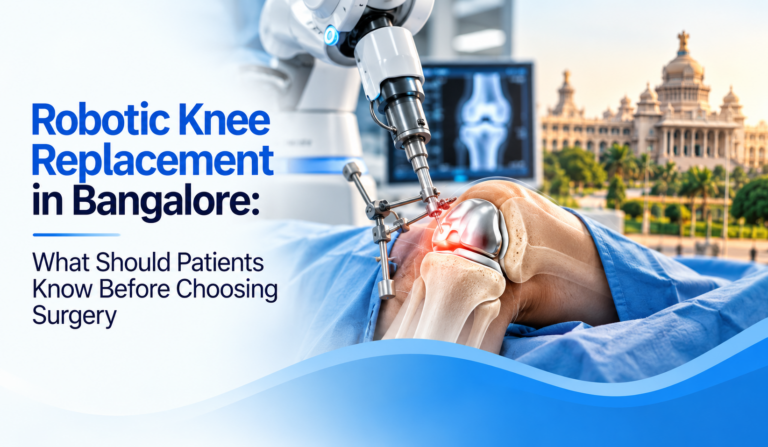
Knee replacement surgery is a procedure in which damaged parts of the knee joint are replaced with artificial implants. It is mainly performed for severe arthritis or advanced joint damage that affects daily activities.
Types of Knee Replacement
Modern surgical techniques aim to reduce pain and improve long-term mobility.
When Is Knee Replacement Needed?
Knee replacement may be recommended if:
- Severe pain continues despite physiotherapy
- Walking and daily activities become difficult
- The knee joint is severely damaged
- Stiffness and swelling affect movement
- Non-surgical treatments no longer provide relief
In such cases, surgery can help restore function and improve quality of life.
Knee Replacement or Physiotherapy: Key Differences
| Factor | Physiotherapy | Knee Replacement |
| Type | Non-surgical | Surgical |
| Recovery | Gradual improvement | Longer recovery |
| Cost | Lower | Higher |
| Best For | Mild to moderate pain | Severe joint damage |
| Goal | Improve strength and mobility | Replace damaged joint |
Can Physiotherapy Help You Avoid Knee Replacement?
Physiotherapy can delay or decrease your chance of having knee replacement surgery due to the effect of building up muscles around your knee joint but will not likely completely fix severe arthritic changes or advanced structural damage to your knee.
Physiotherapy Recovery Compared with Knee Replacement Recovery
With Physiotherapy you will see gradual improvement after a few weeks if you continue to do the exercises regularly.
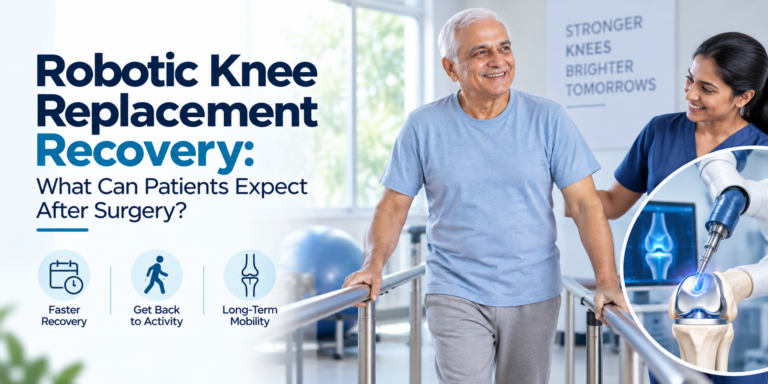
With a Knee Replacement you can expect to take several weeks to months and to also have physiotherapy for your rehabilitation.
Expert Advice from a Surgeon in Kanakapura Road
If you are experiencing knee pain in Kanakapura Road, an evaluation with an experienced orthopaedic surgeon will help determine if physiotherapy or knee replacement is best for your problem.
The majority of orthopaedic surgeons believe that:
- You should initiate your treatment plan with physiotherapy for mild to moderate knee pain.
- You should evaluate your pain and function before and during treatment.
- Surgery should only be considered after conservative treatment has failed.
Early diagnosis and management strategies should be implemented to provide the best possible outcome and to protect your knee joint long-term.
How to Protect Your Knee Health
- To reduce the risk of major problems with your knee:
- Maintain a healthy body weight.
- Remain active in your daily life.
- Strengthen the muscles around your knees.
- Do not place excessive mechanical stress on your knees.
- Seek treatment for knee pain at the earliest possible time.
Conclusion
An individual’s current lifestyle needs and knee condition will dictate whether to undergo physiotherapy or undergo a knee replacement. In the majority of cases, physiotherapy has been seen as the least invasive and safest option. Knee replacement surgery is advised in cases where there is severe damage to the joint or if there has been advanced arthritis. To be certain you are making the correct choice for long-term comfort and mobility, you should consult with an orthopedic surgeon or specialist in the Kanakapura Road area and have them assist you in determining which treatment option is the most appropriate for your disease state.
About Dr. Abhinandan Punit
Dr. Abhinandan S Punit is a European Board-Certified Orthopaedic Surgeon in Bangalore with over 15 years of experience in joint care and advanced orthopaedic treatments. He specialises in knee replacement surgery, physiotherapy-guided recovery, and minimally invasive procedures focused on improving patient mobility and quality of life.
Frequently Asked Questions
Is physiotherapy better than knee replacement?
Physiotherapy is usually preferred as the first treatment because it is non-surgical and helps improve knee strength and mobility. Knee replacement is recommended only for severe joint damage or advanced arthritis.
Can physiotherapy avoid knee replacement surgery?
In many cases, physiotherapy can delay or reduce the need for knee replacement by strengthening the muscles around the knee and improving joint support.
When should I consider knee replacement?
Knee replacement may be needed if severe pain, stiffness, and difficulty walking continue even after physiotherapy for knee pain and other non-surgical treatments.
How long does recovery take after knee replacement?
Most patients recover within several weeks to months after surgery, depending on rehabilitation and overall health.
Can knee pain improve without surgery?
Yes, mild to moderate knee pain often improves with physiotherapy for knee pain, exercise, medications, and lifestyle changes without requiring surgery.