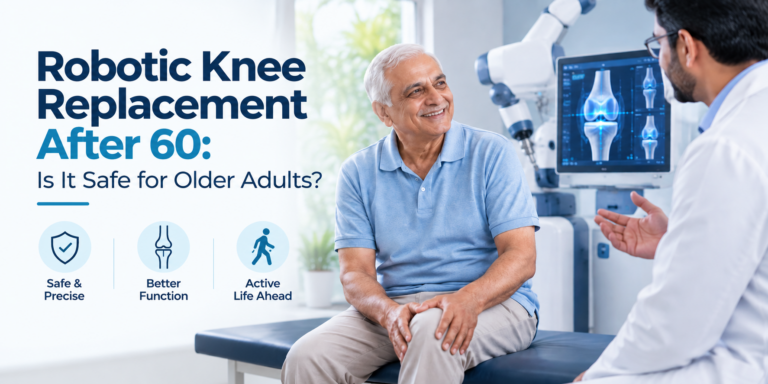

Knee pain can result from arthritis, ligament injuries, meniscus tears, overuse, sports injuries, or age-related joint wear. If your knee pain persists for more than a few days, affects walking, or limits daily activities, seeking professional knee pain treatment in Kanakapura Road can help identify the cause and prevent further joint damage.
What Causes Knee Pain?
Knee pain is one of the most common orthopedic complaints affecting people of all ages. The condition can develop suddenly after an injury or gradually over time due to joint degeneration.
Common causes include:
- Knee osteoarthritis
- ACL and ligament injuries
- Meniscus tears
- Patellofemoral pain syndrome
- Sports injuries
- Tendonitis
- Bursitis
- Overuse injuries
- Joint inflammation
Identifying the underlying cause is essential for effective treatment.
Common Symptoms Associated with Knee Pain
Depending on the condition, knee pain may be accompanied by:
- Swelling around the knee
- Joint stiffness
- Difficulty walking
- Clicking or locking sensations
- Knee instability
- Reduced range of motion
- Pain while climbing stairs
- Pain during physical activity
Persistent symptoms should never be ignored.
When Should You Seek Knee Pain Treatment?
Many people delay treatment, assuming knee pain will improve on its own. However, medical evaluation is recommended if you experience:
Persistent Pain
Pain lasting several weeks may indicate an underlying orthopedic condition.
Swelling
Ongoing swelling often suggests inflammation, injury, or joint damage.
Difficulty Walking
Pain that affects mobility should be evaluated promptly.
Knee Instability
A feeling that the knee is giving way may indicate ligament injury.
Reduced Mobility
Difficulty bending or straightening the knee can signal structural problems within the joint.
Common Conditions Treated by a Knee Specialist
Knee Osteoarthritis
Osteoarthritis occurs when cartilage gradually wears away from the knee joint.
Symptoms include:
- Joint stiffness
- Pain during movement
- Reduced mobility
- Swelling
It is one of the leading causes of chronic knee pain.
Ligament Injuries
The knee contains several important ligaments, including:
- ACL (Anterior Cruciate Ligament)
- PCL (Posterior Cruciate Ligament)
- MCL (Medial Collateral Ligament)
- LCL (Lateral Collateral Ligament)
Sports injuries and sudden twisting movements commonly cause ligament damage.
Meniscus Tears
The meniscus acts as a shock absorber within the knee joint.
A tear may cause:
- Knee pain
- Locking sensations
- Swelling
- Difficulty bending the knee
Sports Injuries
Athletes and active individuals are at higher risk of:
- ACL tears
- Cartilage injuries
- Tendon injuries
- Knee instability
Early treatment helps improve recovery outcomes.
How Is Knee Pain Diagnosed?
A specialist may recommend:
- Physical examination
- Knee stability testing
- X-rays
- MRI scans
- Movement assessment
These evaluations help determine the exact cause of knee pain and guide treatment.
Knee Pain Treatment Options
Treatment depends on the underlying diagnosis and severity of symptoms.
Non-Surgical Treatment
Many patients improve with conservative care, including:
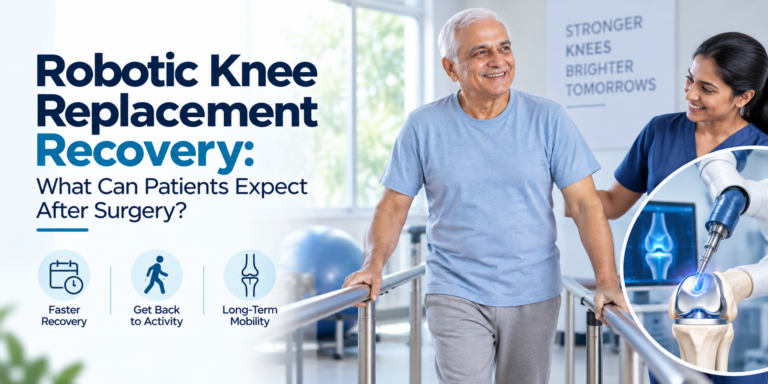
Physiotherapy
Physiotherapy helps:
- Strengthen muscles
- Improve flexibility
- Restore joint function
Medications
Anti-inflammatory medications may help reduce pain and swelling.
Lifestyle Modifications
Weight management and activity modifications can reduce stress on the knee joint.
Knee Bracing
Braces may improve support and stability in certain conditions.
Advanced Surgical Treatment
Surgery may be recommended when conservative treatment does not provide adequate relief.
Arthroscopic Knee Surgery
Minimally invasive procedures can address:
- Meniscus tears
- Cartilage injuries
- Ligament damage
ACL Reconstruction Surgery
ACL reconstruction may be necessary for patients with significant knee instability.
Knee Replacement Surgery
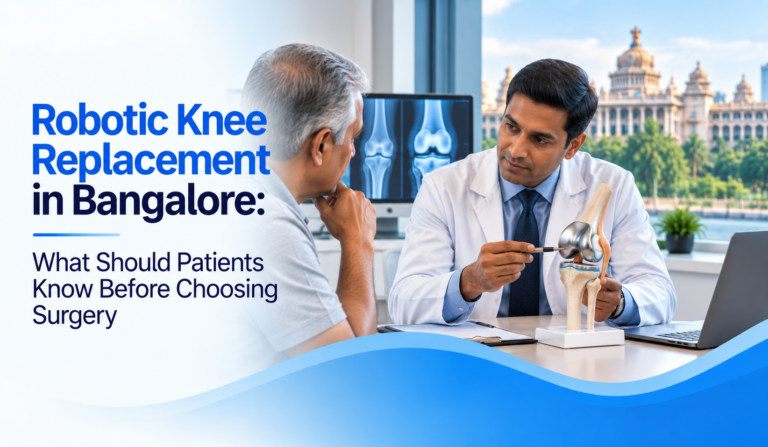
Patients with advanced arthritis may benefit from consulting a Knee Replacement Surgeon in Bangalore to determine whether knee replacement surgery is the right option.
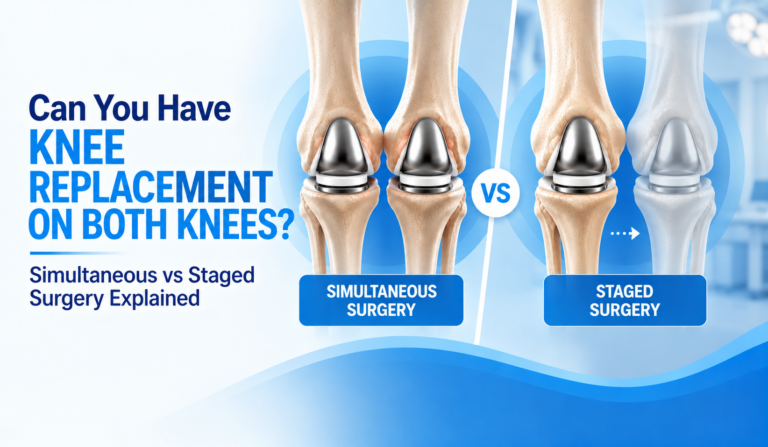
- Total Knee Replacement
- Partial Knee Replacement
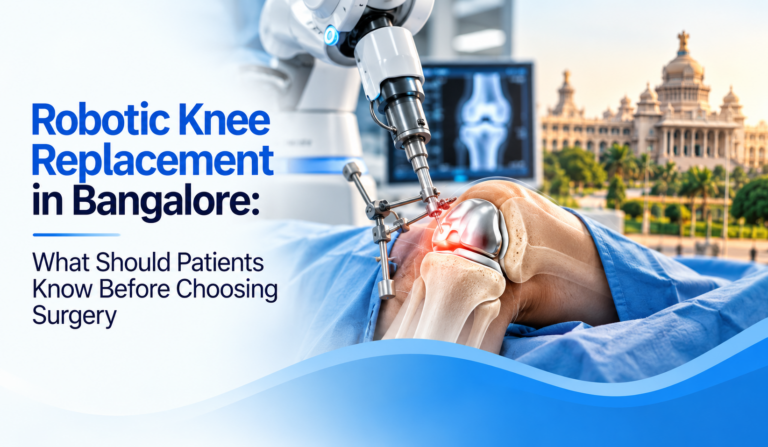
- Robotic Knee Replacement Surgery
Can Knee Pain Be Prevented?
You can reduce your risk of knee problems by:
- Maintaining a healthy weight
- Exercising regularly
- Strengthening leg muscles
- Wearing proper footwear
- Warming up before sports
- Avoiding sudden twisting movements
Healthy lifestyle habits support long-term joint health.
Expert Advice from Dr. Abhinandan Punit
According to Dr. Abhinandan Punit:
“Persistent knee pain should never be ignored, especially when it affects mobility, exercise, or daily activities. Early diagnosis helps identify the underlying problem and allows patients to receive the most appropriate treatment before the condition progresses.”
Consult for Knee Pain Treatment in Kanakapura Road
If you are experiencing persistent knee pain, swelling, stiffness, difficulty walking, or sports-related knee injuries, a specialist evaluation can help identify the cause and guide the most effective treatment plan.
Dr. Abhinandan Punit provides comprehensive knee pain treatment, sports injury management, arthritis care, ligament reconstruction, and advanced joint replacement surgery in Kanakapura Road, Bangalore.
👉 Book an appointment with Dr. Abhinandan Punit for a detailed knee evaluation and personalized treatment plan designed to restore mobility and improve your quality of life.
Conclusion
Knee pain can result from arthritis, ligament injuries, meniscus tears, sports injuries, and other joint conditions. While mild discomfort may improve with rest, persistent symptoms often require professional evaluation. Early diagnosis and treatment can help relieve pain, improve mobility, and prevent long-term joint damage.
About Dr. Abhinandan Punit
Dr. Abhinandan Punit is a European Board-Certified Orthopaedic Surgeon in Bangalore with over 15 years of experience in knee replacement surgery, sports injury treatment, ACL reconstruction, and advanced orthopedic care. His patient-focused approach emphasizes accurate diagnosis, personalized treatment, and rehabilitation-focused recovery.
Frequently Asked Questions About Knee Pain Treatment in Kanakapura Road
What are the most common causes of knee pain requiring specialist treatment?
Knee pain may result from arthritis, ligament injuries, meniscus tears, sports injuries, tendon inflammation, or cartilage damage. A detailed evaluation helps identify the exact cause and determine the most appropriate treatment approach.
When should I consult a knee specialist for persistent knee pain?
You should seek medical attention if knee pain lasts for several weeks, causes swelling, affects walking, limits movement, or interferes with daily activities. Early diagnosis often leads to better treatment outcomes.
Can knee pain be treated without surgery?
Yes, many patients improve with physiotherapy, medications, activity modification, weight management, and knee bracing. Surgery is usually considered only when conservative treatments fail to provide sufficient relief.
Is physiotherapy effective for knee pain management?
Physiotherapy is often an important part of knee pain treatment. It helps strengthen muscles, improve flexibility, enhance joint stability, and reduce pain associated with many knee conditions.
What treatment options are available for severe knee arthritis?
Patients with advanced knee arthritis may benefit from injections, physiotherapy, lifestyle modifications, or knee replacement surgery. The most suitable treatment depends on the severity of joint damage and the patient’s symptoms.