
Can You Have Hip Replacement Surgery at Age 45? Benefits, Risks, and Long-Term Results
Yes, you can have hip replacement surgery at age 45 if hip pain, arthritis, avascular necrosis, hip dysplasia, or joint damage is significantly affecting your daily life. Modern implants are designed to last much longer than before, making hip replacement a viable option for younger and active patients when non-surgical treatments no longer provide relief.
What Is Hip Replacement Surgery?
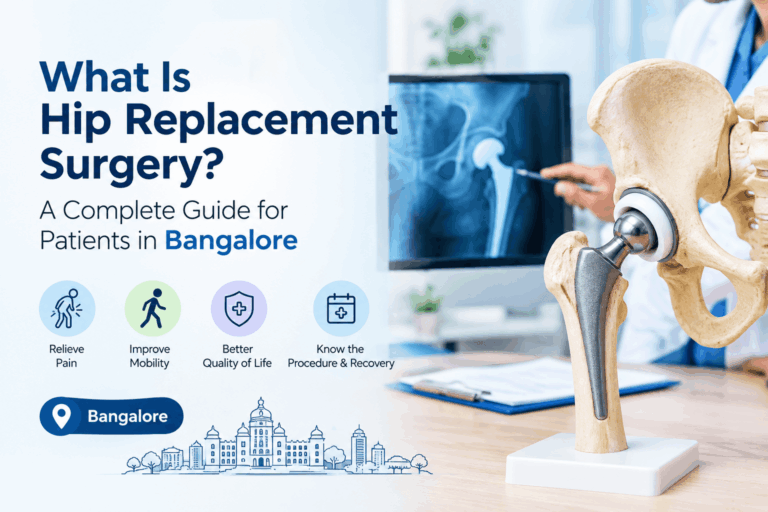
Hip replacement surgery is a procedure in which a damaged hip joint is replaced with artificial components designed to restore movement, reduce pain, and improve quality of life. It is commonly recommended when hip damage causes persistent pain, stiffness, and difficulty performing everyday activities.
Can You Have Hip Replacement Surgery at Age 45?
Yes. Age alone does not determine whether someone should undergo hip replacement surgery. The decision depends on:
- Severity of hip pain
- Joint damage seen on imaging
- Impact on daily activities
- Failure of non-surgical treatments
- Overall health and lifestyle goals
Many patients in their 40s undergo successful hip replacement surgery and return to active, independent lives.
Why Might Someone Need Hip Replacement at Age 45?
Several conditions can cause severe hip damage at a younger age.
Osteoarthritis
Osteoarthritis gradually wears away the cartilage inside the hip joint, leading to pain, stiffness, and reduced mobility.
Avascular Necrosis (AVN)
AVN occurs when blood supply to the hip bone is disrupted, causing bone tissue to collapse and damage the joint.
Hip Dysplasia
Hip dysplasia is a condition where the hip socket does not develop properly, increasing the risk of early arthritis.
Previous Injury or Trauma
Sports injuries, fractures, or accidents can lead to premature joint degeneration and chronic hip pain.
Rheumatoid Arthritis
Inflammatory arthritis can damage the hip joint and cause severe pain even in younger adults.
What Are the Benefits of Hip Replacement Surgery at Age 45?
Many younger patients experience substantial improvements after surgery.
Pain Relief
The primary benefit is significant reduction or complete elimination of chronic hip pain.
Improved Mobility
Patients often regain the ability to walk, climb stairs, and perform daily activities more comfortably.
Better Quality of Life
Improved movement and reduced pain allow patients to return to work, family activities, and hobbies.
Enhanced Physical Activity
Many patients return to low-impact exercises such as walking, cycling, swimming, and golf.
Better Sleep and Mental Well-Being
Reduced pain frequently leads to improved sleep quality and overall emotional health.
What Are the Risks of Hip Replacement Surgery at a Younger Age?
While outcomes are generally excellent, younger patients should understand the long-term considerations.
Implant Wear Over Time
Younger patients place more years of use on the implant, increasing the possibility of future wear.
Revision Surgery Risk
Because younger individuals typically live longer after surgery, they may eventually require a revision procedure.
Infection
As with any surgery, there is a small risk of infection that may require additional treatment.
Blood Clots
Blood clots can occur after surgery but preventive measures significantly reduce this risk.
Dislocation
Although uncommon, the artificial joint can occasionally move out of position.
How Long Does a Hip Replacement Last in a 45-Year-Old?
Modern hip implants are more durable than ever before. Studies suggest that many hip replacements can last 20–30 years or longer when properly maintained.
Factors influencing implant longevity include:
- Activity level
- Body weight
- Implant design
- Surgical technique
- Overall health
Many patients who undergo surgery at age 45 may never require a revision procedure, while others may need one later in life.
Is Hip Replacement at Age 45 Better Than Waiting?
In some situations, delaying surgery may cause unnecessary suffering and reduced mobility.
Reasons Surgery May Be Better Than Waiting
- Severe pain despite treatment
- Significant limitations in daily activities
- Progressive joint damage
- Reduced quality of life
- Difficulty working or exercising
The goal is not to reach a specific age but to improve function when symptoms become disabling.
Hip Replacement at Age 45 vs Waiting Until Later
| Factor | Hip Replacement at 45 | Delaying Surgery |
|---|---|---|
| Pain Relief | Immediate improvement | Ongoing pain |
| Mobility | Improved movement | Progressive stiffness |
| Quality of Life | Better daily function | Continued limitations |
| Activity Level | Return to many activities | Activity restrictions |
| Joint Damage | Treated earlier | May worsen over time |
| Revision Risk | Possible future revision | Lower lifetime revision risk |
| Overall Satisfaction | Often high | Symptoms may continue |
What Questions Should You Ask Before Hip Replacement Surgery?
Before choosing surgery, consider asking:
- Am I a suitable candidate for hip replacement?
- What is causing my hip damage?
- Which surgical approach is best for me?
- What type of implant will be used?
- How long is the recovery process?
- When can I return to work?
- What activities can I safely perform after surgery?
- What are realistic long-term expectations?
When Should You See a Hip Replacement Surgeon?
You should consult a specialist if:
- Hip pain persists despite medication and physiotherapy
- Walking becomes difficult
- Daily activities are limited
- Sleep is affected by pain
- Hip stiffness continues to worsen
- X-rays show advanced joint damage
Early evaluation helps determine whether surgery or other treatments are the best option.
Why Choose Dr. Abhinandan Punit for Hip Replacement Surgery in Bangalore?
Dr. Abhinandan Punit is an orthopedic and joint replacement specialist in Bangalore with expertise in advanced hip replacement procedures, including minimally invasive and direct anterior hip replacement techniques.
His approach focuses on:
- Personalized treatment planning
- Evidence-based surgical care
- Faster recovery protocols
- Advanced implant technology
- Long-term functional outcomes
Patients seeking hip replacement surgery in Bangalore often choose Dr. Abhinandan Punit for comprehensive evaluation and individualized care.
Key Takeaways
- Hip replacement surgery can be appropriate at age 45 when symptoms are severe.
- Age alone should not determine treatment decisions.
- Modern implants may last 20–30 years or longer.
- Most patients experience substantial pain relief and improved mobility.
- Early treatment can prevent years of reduced quality of life.
- Consultation with an experienced hip replacement surgeon helps determine the best treatment plan.
Frequently Asked Questions
Is 45 too young for hip replacement surgery?
No. Many patients undergo successful hip replacement surgery in their 40s when hip pain and joint damage significantly affect daily life. The decision is based on symptoms, imaging findings, and quality of life rather than age alone.
How long will a hip replacement last if I have surgery at 45?
Modern hip replacements often last 20–30 years or more. Longevity depends on factors such as activity level, body weight, implant design, and surgical technique.
Can I return to sports after hip replacement?
Many patients return to low-impact activities such as walking, cycling, swimming, and golf. High-impact sports may require individual guidance from your surgeon.
Will I need another hip replacement later in life?
Some younger patients may eventually require revision surgery due to implant wear, while others may never need an additional procedure. Modern implants have significantly improved long-term durability.
Is hip replacement safer today than it was years ago?
Yes. Advances in surgical techniques, implant technology, anesthesia, and rehabilitation have improved outcomes and reduced complication rates compared to previous decades.
What is the recovery time after hip replacement surgery?
Most patients begin walking soon after surgery and gradually return to normal activities over several weeks. Full recovery varies depending on health status, surgical technique, and rehabilitation progress.
Can I delay surgery and try other treatments first?
Yes. Physiotherapy, medications, injections, and lifestyle modifications are often considered before surgery. However, when these treatments no longer provide relief, hip replacement may be the most effective option.
What is the best age for hip replacement surgery?
There is no single best age. The ideal time is when hip pain, stiffness, and loss of function significantly affect your quality of life and non-surgical treatments are no longer effective.