
What Is an ACL Tear?
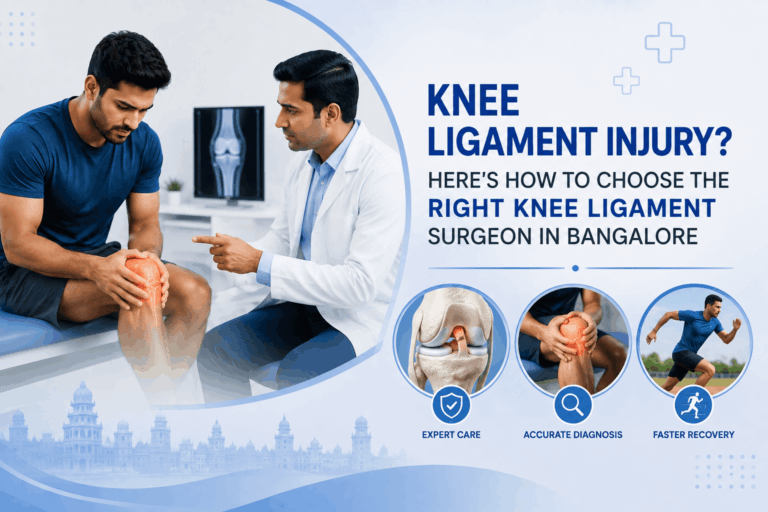
An ACL tear is a common knee ligament injury that occurs during sports, sudden twisting movements, jumping, or direct impact to the knee. Early ACL tear symptoms include a popping sound, swelling, pain, instability, and difficulty walking. Moreover, early diagnosis helps prevent long-term knee damage and improves recovery outcomes.
Early Signs of ACL Tear
Recognising early ACL tear symptoms is very important for timely diagnosis and treatment. Many patients ignore these initial signs, which can worsen the condition over time.
1. Sudden Popping Sound in the Knee
One of the most common early signs is a sudden “pop” sound at the time of injury. This may indicate ligament damage inside the knee.
2. Rapid Swelling
Swelling usually develops within a few hours after injury due to internal bleeding in the joint. This is a key indicator of ACL injury.
3. Severe Knee Pain
Pain may be immediate and intense, especially during movement or weight-bearing activities.
4. Difficulty Walking
Patients often experience difficulty walking normally or putting weight on the affected leg.
5. Knee Instability
A feeling that the knee is “giving way” or unstable is a classic symptom of ACL injury.
6. Reduced Range of Motion
Stiffness and difficulty bending or straightening the knee may occur.
Why Early Diagnosis Matters
Early identification of an ACL injury is important because it helps prevent:
- Further ligament damage
- Meniscus tears
- Long-term knee instability
- Early knee arthritis
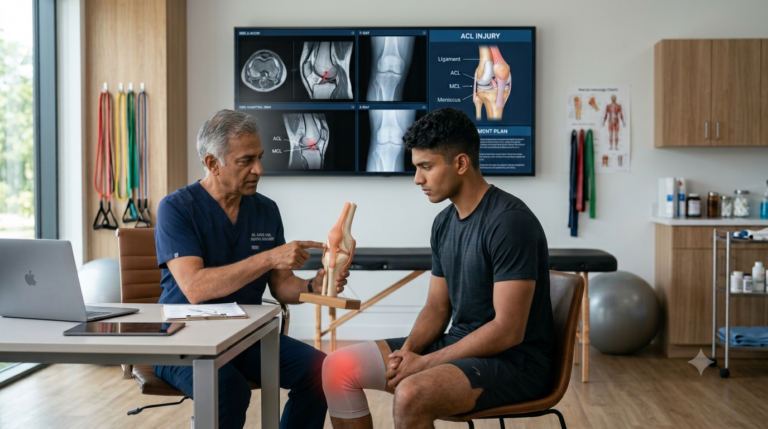
Furthermore, doctors often recommend MRI scans to assess the severity of the injury and plan the most appropriate treatment.
Common Causes of ACL Tear
ACL injuries are commonly seen in sports and physical activities such as:
- Football
- Basketball
- Running and jumping sports
- Sudden twisting movements
- Road accidents or falls
Athletes are at higher risk due to high-impact movements.
How Is ACL Tear Diagnosed?
An orthopaedic specialist may use:
- Physical examination tests
- MRI scan
- Knee stability tests
- Patient history evaluation
MRI is the most accurate method to confirm ligament damage and rule out associated injuries.
Treatment Options for ACL Tear
Treatment depends on the severity of the injury.
1. Non-Surgical Treatment
Mild ACL injuries may be managed with:
- Rest
- Ice therapy
- Pain medication
- Physiotherapy for knee pain
- Knee bracing
Physiotherapy helps improve strength and stability.
2. Surgical Treatment (ACL Reconstruction Surgery)
Severe ACL tears often require ACL reconstruction surgery, where the damaged ligament is replaced with a graft.
Surgery is recommended when:
- Knee instability persists
- Patient is active in sports
- Associated injuries are present
ACL Recovery Process
Recovery depends on the type of treatment and the severity of the injury.
After surgery or rehabilitation:
- Physiotherapy plays a key role
- Gradual return to walking is advised
- Strengthening exercises improve knee stability
- Recovery may take several weeks or months
As a result, patients who follow a structured rehabilitation program often achieve better long-term outcomes.
Can ACL Tear Heal Without Surgery?
In some partial tears, patients can recover without surgery through:
- Physiotherapy
- Activity modification
- Strength training
- Bracing support
However, complete tears usually require surgical treatment for full stability.
When Should You See a Doctor?
You should consult an orthopaedic specialist if you experience:
- Knee swelling after injury
- Difficulty walking
- Instability or “giving way” feeling
- Severe pain after twisting injury
- Limited knee movement
Early consultation improves treatment outcomes.
How to Prevent ACL Injuries
You can reduce risk by:
- Warming up before sports
- Strengthening leg muscles
- Improving balance and coordination
- Avoiding sudden twisting movements
- Wearing proper sports footwear
Preventive training is especially important for athletes.
Book a Consultation for Early ACL Injury Evaluation
If you notice ACL tear symptoms such as knee swelling, instability, pain, or a popping sensation after a sports injury, do not delay medical evaluation. Early diagnosis can help prevent further damage and improve treatment outcomes.
Dr. Abhinandan Punit provides comprehensive ACL injury assessment and treatment at Elite Orthocare, Kanakapura Road, and Narayana Clinic, Electronic City, Bangalore. Timely intervention can help you return safely to daily activities and sports
Conclusion
Early signs of ACL tear such as popping sound, swelling, instability, and difficulty walking should never be ignored. Proper diagnosis and timely treatment—whether through physiotherapy or ACL reconstruction surgery—can significantly improve recovery outcomes. Early medical attention is the key to protecting long-term knee health and returning safely to normal activities.
Expert Advice from Dr. Abhinandan Punit
According to Dr. Abhinandan Punit:
“Early signs of ACL injury should never be ignored. Timely diagnosis and proper treatment planning help prevent long-term knee instability and reduce the risk of further joint damage.”
About Dr. Abhinandan Punit
Dr. Abhinandan Punit is a European Board-Certified Orthopaedic Surgeon in Bangalore with over 15 years of experience in knee replacement surgery, ACL reconstruction, sports injury treatment, and minimally invasive orthopaedic procedures. He specializes in advanced knee care and rehabilitation-focused recovery designed to restore mobility and improve patient quality of life.
Frequently Asked Questions About ACL Tear and Treatment
What are the early signs of an ACL tear that should not be ignored?
Early signs of an ACL tear include a popping sound in the knee, sudden swelling, pain, instability, and difficulty walking. These symptoms often appear immediately after injury and should be evaluated promptly to prevent further damage to the knee joint.
Can an ACL tear heal without surgery in all cases?
No, not all ACL tears require surgery. Partial tears may improve with physiotherapy, strengthening exercises, and activity modification. However, complete ACL tears often require reconstruction surgery to restore knee stability and allow patients to return to sports safely.
How is an ACL tear confirmed by doctors after initial injury symptoms?
Doctors diagnose ACL tears using physical examination tests, knee stability assessments, and MRI scans. MRI is particularly useful because it provides detailed images of the ligament and helps identify associated injuries such as meniscus tears.
What happens if an ACL tear is not treated early or ignored?
Ignoring an ACL tear may lead to chronic knee instability, repeated injuries, cartilage damage, and early arthritis. Therefore, early diagnosis and appropriate treatment are essential for protecting long-term knee function and mobility.
How long does recovery take after ACL injury treatment or surgery?
Recovery time varies depending on the severity of the injury and the treatment approach. Non-surgical recovery may take several weeks, while ACL reconstruction surgery often requires several months of rehabilitation before returning to sports and full activity.