
Dr. Abhinandan Bio
-
Dr. Abhinandan Punit , MS, DNB, MCh (Edinburgh), MSc Sports & Exercise Medicine
-
15+ years of surgical experience with 6,000+ orthopedic surgeries
-
Performs 200+ knee replacements annually, specializing in robotic techniques (MAKO, Cuvis, Cori)
-
Fellowship training in the UK and Australia
-
Founder of Elite Orthocare Multi-Specialty Clinic and consultant at Narayana Clinic & Hospitals
-
Member of ISHKS and ISTA, with published outcome research in peer-reviewed journals
Shoulder Pain Specialist Near Kanakapura Road, Bangalore: 7 Signs You Should Not Ignore
If you’re experiencing shoulder pain that lasts more than two weeks, interferes with daily activities, or causes weakness, you should consult a shoulder pain specialist near Kanakapura Road. Early diagnosis can prevent serious injury and restore your mobility faster.
What Is a Shoulder Pain Specialist?
A shoulder pain specialist is an orthopedic surgeon who diagnoses and treats conditions affecting the shoulder joint, rotator cuff, and surrounding tissues. These doctors use clinical evaluation, imaging studies, and both surgical and non-surgical treatments to help patients regain function and eliminate pain. If you’re searching for a shoulder specialist in Bangalore, look for physicians with proven experience in both conservative care and advanced surgical techniques.
What Are the Most Common Causes of Shoulder Pain?
Shoulder pain can stem from many sources. The most common causes include:
- Rotator cuff injuries: Tears or strains in the muscles and tendons that stabilize the shoulder joint
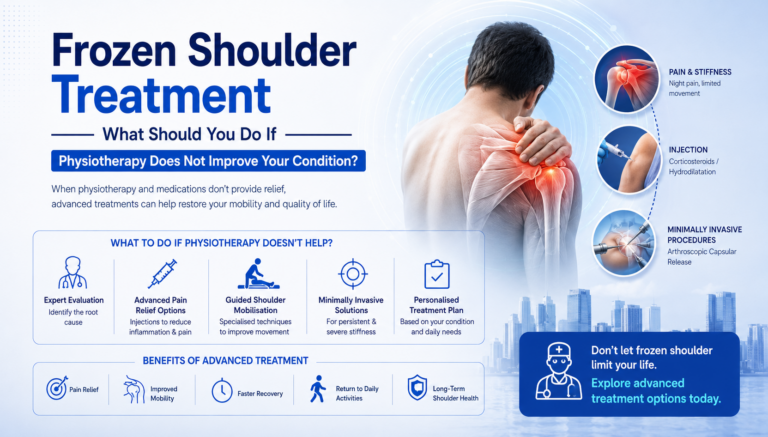
- Frozen shoulder (adhesive capsulitis): Stiffness and pain that develops gradually, limiting motion
- Shoulder impingement: Compression of tendons under the shoulder blade bone
- Arthritis: Wear and tear of the shoulder joint cartilage
- Shoulder instability: Looseness that makes the shoulder prone to dislocation
- Sports injuries: Acute trauma from overhead activities or falls
Understanding the underlying cause is essential when choosing the right shoulder pain doctor and treatment plan.
What Are the 7 Signs You Should Not Ignore?
Recognizing these warning signs early can prevent chronic pain and disability:
- Pain lasting more than two weeks: Acute shoulder pain that doesn’t improve with rest, ice, or over-the-counter medications after 14 days signals a structural problem. This is often the first indicator that you need to see a shoulder surgeon in Bangalore for proper diagnosis. Persistent pain suggests inflammation, a tear, or nerve involvement that requires professional evaluation.
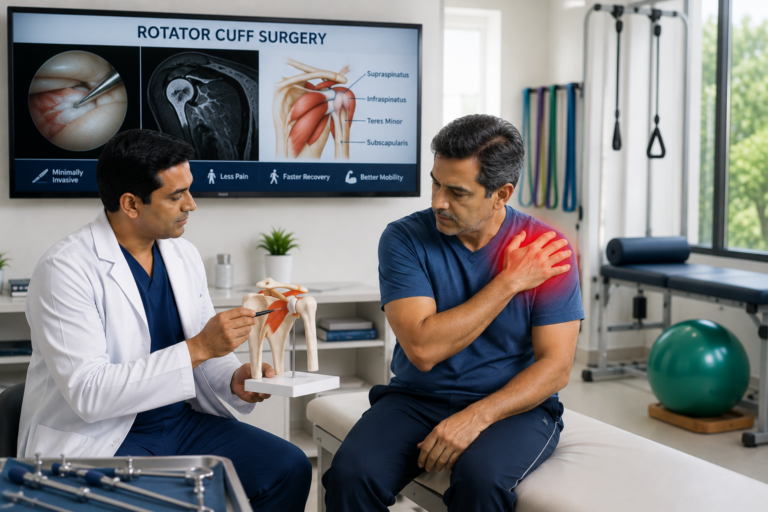
- Difficulty lifting your arm: Inability to raise your arm above shoulder height or perform overhead movements indicates weakness in the rotator cuff or severe impingement. This limitation directly impacts daily tasks like reaching for items, combing hair, or dressing. A rotator cuff specialist in Bangalore can determine if surgery or rehabilitation is needed.
- Pain while sleeping: Night pain that wakes you or prevents comfortable sleep suggests inflammation or a rotator cuff tear. Many patients report they cannot lie on the affected shoulder or find any comfortable sleeping position. This type of pain often indicates the shoulder needs urgent evaluation and treatment.
- Shoulder weakness: Sudden or progressive weakness that makes holding objects difficult or causes dropping items points to muscle or tendon damage. Weakness differs from pain—you may be able to move your arm but lack strength. This requires a shoulder specialist to assess nerve function and muscle integrity.
- Repeated shoulder dislocations: If your shoulder keeps popping out of the socket, even partially, you have shoulder instability. Each dislocation risks further damage to cartilage, nerves, and blood vessels. Shoulder treatment near Kanakapura Road should address the underlying cause to prevent recurrence.
- Pain after sports injury or fall: Trauma from sports, accidents, or falls can cause immediate or delayed pain from fractures, tears, or bruising. Don’t assume “it will heal on its own”—early imaging and evaluation prevent chronic problems. An injury specialist can rule out serious damage.
- Loss of shoulder movement: Gradual or sudden loss of range of motion, especially combined with pain, suggests frozen shoulder or severe arthritis. When you cannot reach behind your back, lift your arm sideways, or rotate your shoulder, daily life becomes difficult. Professional treatment can restore mobility.
When Should You See a Shoulder Pain Specialist Near Kanakapura Road?
Schedule an appointment with a shoulder specialist if you experience:
- Shoulder pain lasting more than 2-3 weeks despite rest and self-care
- Pain that wakes you at night or prevents sleep
- Weakness or inability to lift your arm
- Numbness or tingling extending down your arm
- Swelling, redness, or warmth around the shoulder (signs of infection or inflammation)
- A history of shoulder dislocation or instability
- Pain after an injury or trauma that doesn’t improve
- Loss of range of motion affecting work or daily activities
Early evaluation prevents progression to chronic conditions requiring surgery.
Can Shoulder Pain Be Treated Without Surgery?
Many shoulder conditions improve with conservative (non-surgical) treatment. Options include:
- Physiotherapy: Targeted exercises to strengthen muscles, improve flexibility, and correct movement patterns
- Activity modification: Avoiding movements that trigger pain while maintaining gentle activity
- Anti-inflammatory medications: NSAIDs to reduce pain and swelling
- Steroid injections: Direct injection into the shoulder joint to reduce inflammation
- Rehabilitation programs: Structured therapy lasting 6-12 weeks with regular progress monitoring
However, some conditions—such as severe rotator cuff tears, recurrent dislocations, or advanced arthritis—require surgery for lasting relief.
When Is Shoulder Surgery Necessary?
Surgery becomes necessary when:
- Rotator cuff tears: Large tears that cannot heal with therapy alone or cause significant weakness
- Recurrent instability: Repeated dislocations despite rehabilitation and activity modification
- Severe arthritis: Bone-on-bone contact causing pain despite injections and medication
- Failed conservative treatment: Pain and disability persist after 3-6 months of structured physiotherapy
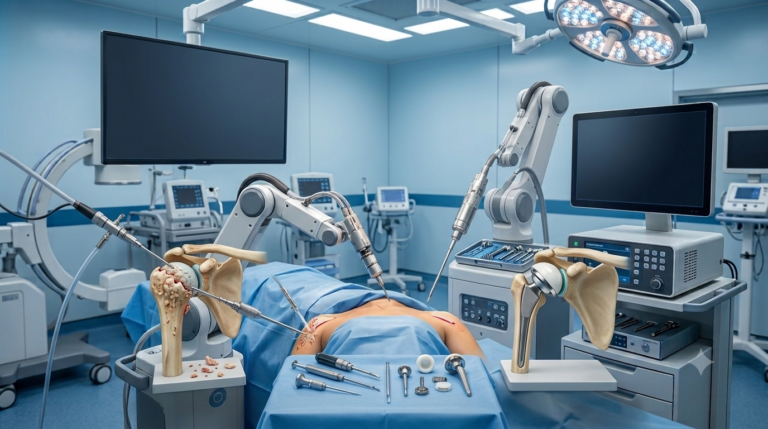
Modern shoulder arthroscopy offers minimally invasive repair with faster recovery than open surgery.
Shoulder Arthroscopy vs Open Shoulder Surgery
| Feature | Shoulder Arthroscopy | Open Surgery |
|---|---|---|
| Incision Size | Multiple small incisions (½ inch) | Single larger incision (3-4 inches) |
| Recovery Time | 4-8 weeks return to light activity | 8-12 weeks return to activity |
| Pain Level | Minimal post-operative pain | Greater post-operative discomfort |
| Tissue Damage | Minimal muscle/tissue trauma | Significant tissue cutting required |
| Best For | Rotator cuff repair, impingement, labral tears | Complex repairs, severe arthritis, replacement |
| Hospital Stay | Same-day discharge | Often overnight stay |
| Cost | Generally lower | Generally higher |
Why Do Patients Near Kanakapura Road Choose Dr. Abhinandan Punit?
Dr. Abhinandan Punit is a Senior Orthopedic, Joint Replacement and Sports Injury Specialist serving the Kanakapura Road area and surrounding communities in Bangalore. With over 15+ years of orthopedic experience and 6,000+ successful surgical procedures, Dr. Punit brings proven expertise to shoulder pain treatment.
Dr. Punit’s Qualifications:
- 15+ years of orthopedic surgery experience
- 6,000+ successful orthopedic procedures performed
- Fellowship-trained orthopedic surgeon
- Advanced expertise in shoulder arthroscopy and joint reconstruction
- Sports injury and rotator cuff specialist
- Evidence-based approach to treatment selection
Hospital Affiliations:
Patients choose Dr. Punit for his balanced approach: attempting conservative treatment first, then recommending surgery only when necessary. His experience with both frozen shoulder treatment in Bangalore and advanced shoulder arthroscopy ensures you receive appropriate care for your specific condition.
Key Takeaways
- Shoulder pain lasting over two weeks warrants professional evaluation
- Seven warning signs—pain, weakness, limited motion, night pain, repeated dislocations, trauma, and loss of movement—indicate specialist consultation
- Many conditions respond to physiotherapy, injections, and activity modification
- Surgery may be necessary for severe tears, instability, or failed conservative treatment
- Shoulder arthroscopy offers faster recovery than open surgery
- Choosing an experienced shoulder surgeon in Bangalore improves outcomes
- Early treatment prevents chronic pain and disability
- Dr. Abhinandan Punit offers comprehensive shoulder care near Kanakapura Road
Frequently Asked Questions
When should I worry about shoulder pain?
Worry when pain lasts more than two weeks, occurs at night, limits your motion, or follows an injury. Pain with numbness, tingling, or weakness requires urgent evaluation. Don’t wait if simple treatments fail—earlier intervention produces better outcomes.
Can shoulder pain heal without surgery?
Yes, many conditions improve with physiotherapy, rest, and anti-inflammatory treatment. Small rotator cuff tears, impingement, and frozen shoulder often respond to conservative care lasting 6-12 weeks. However, large tears and recurrent instability typically require surgery.
Is shoulder arthroscopy painful?
During surgery, you receive general anesthesia, so you feel no pain. Post-operative pain is usually mild-to-moderate and controlled with prescribed medications. Most patients report shoulder arthroscopy causes less post-operative pain than open surgery.
What is the recovery time after shoulder surgery?
Arthroscopic repair typically allows return to light activity in 4-8 weeks, with full recovery in 3-6 months. Open surgery requires 8-12 weeks before light activity. Recovery varies by procedure and individual healing—your surgeon provides a specific timeline.
Can frozen shoulder become permanent?
Frozen shoulder is self-limiting—it eventually improves, even without treatment. However, the process takes 12-24 months and causes prolonged disability. Physiotherapy and injections speed recovery to 3-6 months, restoring function faster.
Which doctor should I see for shoulder pain?
See an orthopedic surgeon specializing in shoulders. Look for physicians with training in arthroscopic surgery, experience with your specific condition, and affiliations with reputable hospitals. Dr. Abhinandan Punit offers comprehensive shoulder care in Bangalore.
How do I know if I have a rotator cuff tear?
Symptoms include difficulty lifting your arm, weakness, pain that wakes you at night, and clicking or popping sensations. Diagnosis requires imaging (ultrasound or MRI). Physical examination alone cannot confirm a tear—imaging is mandatory.
Where can I consult a shoulder specialist near Kanakapura Road?
Dr. Abhinandan Punit practices at Elite Orthocare on Kanakapura Road and Narayana Health facilities across Bangalore. Schedule a consultation to discuss your symptoms, receive imaging if needed, and explore treatment options. Contact Elite Orthocare or Narayana Health for appointment booking.
Ready for Professional Shoulder Care?
Don’t let shoulder pain control your life. If you’re experiencing any of the warning signs discussed, schedule a consultation with Dr. Abhinandan Punit at Elite Orthocare, Kanakapura Road, Bangalore. With over 15+ years of experience and 6,000+ successful procedures, Dr. Punit offers expert diagnosis and evidence-based treatment for all shoulder conditions—from frozen shoulder to complex rotator cuff tears.
Contact Information:
- Location: Elite Orthocare, Kanakapura Road, Bangalore
- Also Available At: Narayana Health, Bangalore
- Specialization: Shoulder Surgery, Arthroscopy, Joint Replacement
Early consultation prevents pain from becoming chronic. Whether you need physiotherapy, injections, or surgery, Dr. Abhinandan Punit provides personalized care tailored to your condition and goals.