
Is DAA Hip Replacement Worth It for Active Adults?
For active adults struggling with hip pain, DAA hip replacement offers significant advantages: smaller muscle damage, faster mobility recovery, and quicker return to walking, traveling, and exercise compared to traditional approaches. Most active patients who undergo DAA hip replacement can resume their lifestyle within 3-6 months, making it worth considering if conservative treatments have failed.
What Is DAA Hip Replacement?
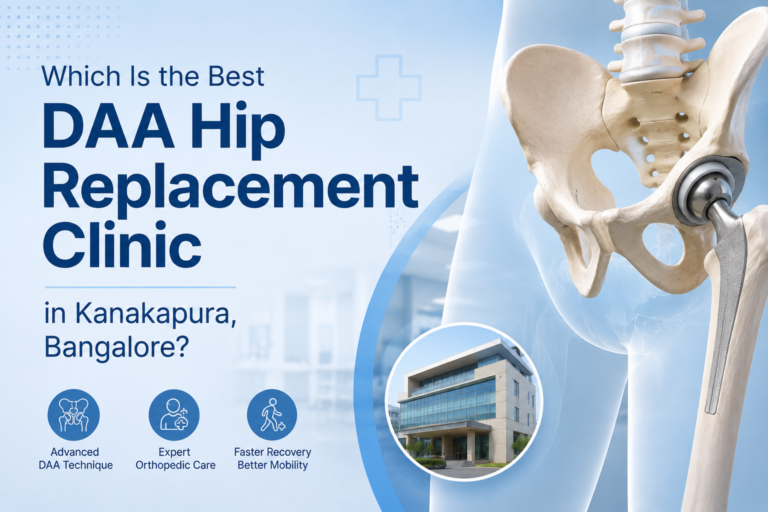
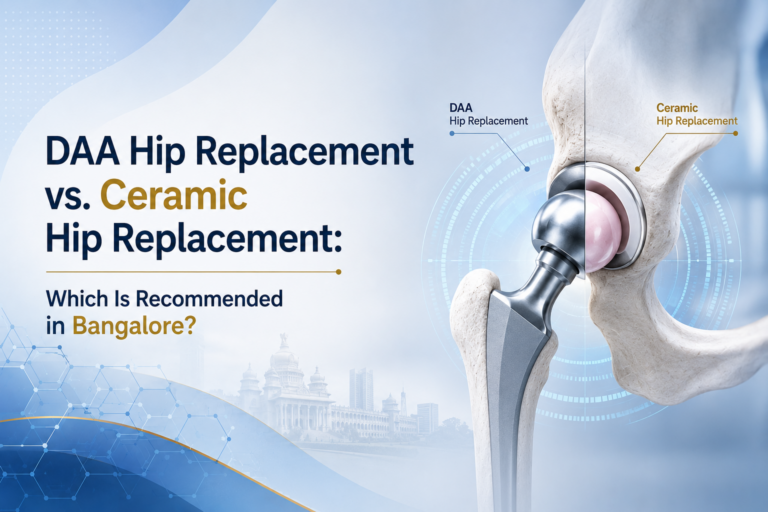
DAA (Direct Anterior Approach) hip replacement is a surgical technique where the surgeon accesses the hip joint through a small incision between the thigh muscles rather than cutting through muscle tissue. This minimally invasive approach preserves the hip’s stabilizing muscles, allowing faster recovery and earlier return to activity.
During DAA hip replacement, the surgeon removes the damaged hip joint cartilage and bone, then implants a new artificial hip socket and femoral component. The key difference from traditional posterior hip replacement is that muscles remain intact, reducing tissue trauma and inflammation. This anatomical advantage translates directly to faster healing and earlier mobility for active patients.
Why Do Active Adults Consider DAA Hip Replacement?
Active adults facing hip pain often hesitate about hip replacement surgery because they fear losing their lifestyle. Hip arthritis can eliminate activities they love—running, cycling, hiking, travel, and gym workouts become impossible. Conservative treatments like medications, physical therapy, and injections provide temporary relief but eventually fail for many patients with severe arthritis.
DAA hip replacement appeals to active adults because it promises faster recovery and better functional outcomes compared to traditional surgery. These patients want to return to meaningful activity, not just basic walking. They’re willing to have surgery if it means reclaiming their active life within a reasonable timeframe.
What Are the Benefits of Anterior Hip Replacement for Active Adults?
Smaller Muscle Disruption Unlike posterior hip replacement, which cuts through the gluteus medius muscle, DAA preserves all major hip stabilizers. This means less postoperative pain, reduced inflammation, and faster strength recovery. Active patients notice they can engage in physical therapy more comfortably.
Earlier Mobility and Walking Most DAA patients walk without crutches within 1-2 weeks, compared to 4-6 weeks for traditional approaches. Early, unrestricted walking strengthens the hip and accelerates recovery. Active adults appreciate being able to move independently sooner.
Faster Return to Routine Activities Within 6-8 weeks, most DAA patients resume normal daily activities—cooking, gardening, light cleaning, and stairs. Traditional hip replacement typically requires 8-12 weeks for similar progress. This faster functional recovery suits active lifestyles.
Potentially Shorter Hospital Stay Many DAA procedures are performed in outpatient or single-day surgical centers, though hospital stay depends on individual medical conditions. Shorter hospitalization means faster transition to home-based recovery and rehabilitation.
Improved Confidence in Movement Because DAA preserves hip muscles, patients feel more stable and confident moving. Hip dislocation risk is lower, allowing more freedom in daily movements without constant precautions. This psychological benefit matters tremendously for active people.
Superior Long-Term Hip Function Studies show DAA patients achieve better hip biomechanics with preserved muscle strength. Active patients report better performance in sports and high-impact activities long-term compared to traditional approaches.
Can You Stay Active After Hip Replacement Surgery?
Walking After Hip Replacement Walking is the foundation of hip replacement recovery and one of the first activities you’ll resume. Most DAA patients walk independently within days and progressively increase walking distance. By 6-8 weeks, many walk 2-3 miles without discomfort. Walking strengthens hip muscles, improves circulation, and accelerates healing—it’s encouraged from the start.
Traveling After Surgery Travel is possible after hip replacement, though timing depends on recovery stage. Walking on flat surfaces and through airports becomes comfortable by 6-8 weeks. International travel is reasonable by 8-12 weeks with flight precautions (compression socks, aisle walking, hotel-based exercises). Car driving is typically permitted by 4-6 weeks after clearance from your surgeon.
Cycling After Hip Replacement Stationary cycling usually begins by 8-10 weeks post-surgery, which is wonderful for active patients. Outdoor cycling can resume by 12-16 weeks for low-speed, flat terrain. Road cycling and mountain biking require longer recovery and stronger hip muscles—typically 6-9 months.
Swimming and Water Activities Swimming is excellent rehabilitation and usually permitted by 4-6 weeks once the incision is fully healed. Water provides gentle resistance without impact stress. Many DAA patients swim regularly 8-12 weeks post-surgery. Water aerobics, water walking, and gentle aquatic exercises accelerate recovery.
Daily Activities and Independence Stairs, light household work, cooking, and shopping become manageable by 8-10 weeks. Most patients are independent in daily living by 12 weeks. This rapid functional return is why active adults choose DAA—they regain their normal lifestyle quickly.
What Activities Can You Return To After Recovery?
| Activity | Usually Possible After Recovery | Typical Timeline |
| Walking on flat ground | Yes, progressive distances | 1-4 weeks |
| Driving (automatic) | Yes, with clearance | 4-6 weeks |
| Climbing stairs | Yes, normal use | 6-8 weeks |
| Swimming and water exercise | Yes, after incision heals | 4-6 weeks |
| Stationary cycling | Yes, low resistance | 8-10 weeks |
| Golf | Yes, without cart preferred | 8-12 weeks |
| Outdoor cycling (flat terrain) | Yes, low speed | 12-16 weeks |
| Hiking on easy trails | Yes, gentle pace | 12-16 weeks |
| Gym workouts (upper body) | Yes, light weights | 4-6 weeks |
| Gym workouts (lower body, light) | Yes, light resistance | 12-16 weeks |
| Tennis or badminton | Yes, recreational, not competitive | 6+ months |
| Running or jogging | Limited; discuss with surgeon | 12+ months |
| High-impact sports | Case-by-case; consult surgeon | 12+ months |
| Sex and intimate activities | Yes, after pain resolves | 4-6 weeks |
Important Note: These timelines are general guidelines. Individual recovery varies based on age, overall health, surgical technique, and rehabilitation progress. Your surgeon provides personalized timelines during consultations and post-operative follow-ups.
DAA Hip Replacement vs Traditional Hip Replacement
| Factor | DAA Hip Replacement | Traditional Hip Replacement |
| Muscle Damage | Minimal; muscles preserved | Significant; gluteus medius cut |
| Incision Location | Front of hip (between muscles) | Back of hip or lateral side |
| Hospital Stay | Often outpatient or 1 day | Usually 1-2 days |
| Early Walking | 1-2 weeks without crutches | 4-6 weeks with support |
| Pain Management | Generally less post-op pain | More pain due to muscle damage |
| Return to ADLs | 6-8 weeks | 8-12 weeks |
| Strength Recovery | Faster; muscles preserved | Slower; muscle reattachment needed |
| Hip Dislocation Risk | Lower; better stability | Higher; less muscular stability |
| Long-term Activity | Better muscle function | Good but with less stability |
| Suitable for Active Patients | Excellent choice | Adequate, but slower recovery |
| Surgeon Learning Curve | Requires specific training | More commonly performed |
| Cost | May be slightly higher | Standard pricing |
Who Is a Good Candidate for DAA Hip Replacement?
Ideal candidates for DAA hip replacement include patients who meet several criteria:
Active Lifestyle Goals Patients who prioritize returning to exercise, walking, travel, and sports benefit most from DAA. If maintaining an active lifestyle matters to you, DAA’s faster functional recovery is a major advantage.
Younger Age While DAA can be performed at any age, younger and middle-aged patients (under 65-70) typically experience the greatest benefits. These patients have more years ahead and want maximum hip stability and longevity.
Good Overall Health Patients without severe heart disease, uncontrolled diabetes, or blood clotting disorders are ideal. However, most patients can safely undergo DAA with proper preoperative optimization.
Normal Hip Anatomy DAA works best when hip anatomy is relatively normal. Severe bone loss, very high body mass index, or previous hip surgery can make DAA technically challenging.
Failed Conservative Treatment Patients who’ve tried medications, physical therapy, and injections without adequate relief are ideal candidates. Hip replacement should follow unsuccessful non-surgical care.
Realistic Expectations Patients who understand that recovery takes time and who can commit to rehabilitation therapy benefit most. Realistic expectations about pain management and activity progression improve satisfaction.
Who May Not Be a Suitable Candidate?
Not every patient with hip arthritis is suitable for DAA hip replacement. Your surgeon might recommend traditional approaches in these situations:
Severe Hip Bone Loss Advanced osteoarthritis with significant bone loss sometimes makes DAA technically difficult. Your surgeon might prefer traditional approaches that allow better visualization and bone preparation.
Previous Hip Surgery Patients who’ve undergone previous hip surgery may have scar tissue that complicates the anterior approach. Traditional methods sometimes work better in revision cases.
Very High Body Mass Index While not absolute, very high BMI can make the anterior approach more challenging. Some surgeons recommend traditional approaches for certain body types.
Severe Hip Deformity Hip dysplasia (underdeveloped hip socket) or severe deformity might make anterior approach less ideal. Your surgeon’s specific experience and preference matter here.
Neurological Conditions Severe neurological issues that prevent safe rehabilitation might make any hip replacement risky. However, your surgeon evaluates each situation individually.
Uncontrolled Medical Conditions Severe uncontrolled heart disease, blood clotting disorders, or active infections might make any surgery unsafe. These conditions require medical optimization before surgery.
Limited Rehabilitation Ability Patients unable to participate in physical therapy due to severe cognitive issues or other limitations might not be ideal surgical candidates—though this applies to any joint replacement.
Is DAA Hip Replacement Worth It for Younger and Active Adults?
For younger and active adults, DAA hip replacement is often worth it. Here’s why:
Longevity Matters A 50-year-old who undergoes hip replacement might need revision surgery 20-30 years later. DAA’s superior muscle preservation means better long-term hip biomechanics and potentially better function during revision surgery if needed.
Years of Activity Ahead Younger patients have decades ahead during which they want to travel, exercise, and enjoy active pursuits. DAA’s faster recovery means they reclaim those years sooner—potentially 6-12 months earlier than traditional approaches.
Activity Level Expectations Active younger patients often expect higher activity levels—hiking, cycling, travel, fitness activities. DAA’s preserved hip muscles support these goals better than traditional approaches.
Muscle Preservation For younger patients, preserving gluteus medius muscle has long-term value. This muscle supports hip stability throughout life, making DAA’s preservation advantage meaningful for decades of activity.
Psychological Factors Younger patients often struggle psychologically with hip replacement. DAA’s faster recovery and earlier return to normal life improve quality of life and reduce depression or anxiety about long-term disability.
Real-World Success Many younger, active patients report high satisfaction with DAA hip replacement because they achieve their lifestyle goals within a reasonable timeframe. The investment in surgery pays off through years of pain-free activity.
What Questions Should You Ask Before Choosing Hip Replacement Surgery?
- Is my hip arthritis severe enough to warrant surgery? Ask for specific imaging findings that justify surgery.
- Have all non-surgical options truly been exhausted? Confirm you’ve tried adequate physical therapy and possibly injections.
- Why do you recommend DAA specifically for my situation? Understand your surgeon’s specific reasons and expertise level.
- What’s your personal experience and outcomes with DAA hip replacement? Surgeons vary in DAA expertise; ask about their specific success rates and complication rates.
- How long will recovery realistically take for my specific situation? Get personalized timelines based on your age, health, and lifestyle.
- What activity level can I expect after full recovery? Ask specifically about your planned activities—running, cycling, travel, etc.
- What are the realistic risks and complications? Understand dislocation, infection, and implant failure risks specific to your situation.
- When can I resume driving, returning to work, and normal activities? Get specific timelines for your lifestyle.
- How long do hip replacement implants typically last? Understand implant longevity and revision surgery possibilities.
- What happens if I choose conservative treatment instead? Discuss the natural progression of untreated severe hip arthritis.
- What’s your approach if revision surgery is needed in the future? Understand how initial surgery choice affects revision options.
- Can I meet other patients who’ve had this surgery? Request patient testimonials or references (not written testimonials, but conversations with patients).
Why Patients Consult Dr. Abhinandan Punit for Hip Replacement Evaluation in Bangalore
Dr. Abhinandan Punit brings substantial expertise to hip replacement evaluation and surgery. With 15+ years of orthopedic experience and over 6,000 surgeries performed, he has extensive knowledge of hip conditions, surgical approaches, and patient outcomes.
Dr. Abhinandan’s specialty includes robotic-assisted joint replacement and advanced training in joint reconstruction and knee replacement procedures. While his primary training focuses on knee replacement, his comprehensive orthopedic background extends to hip replacement, particularly the direct anterior approach.
Active adults appreciate Dr. Abhinandan’s patient-centered approach during consultation. He takes time to understand your lifestyle goals, explains surgical options clearly, and helps you make informed decisions aligned with your personal objectives. For younger and active patients concerned about maintaining their lifestyle, his willingness to discuss realistic activity expectations after surgery builds confidence.
Schedule Your Hip Replacement Consultation
If you’re an active adult struggling with hip pain that interferes with walking, traveling, exercising, or daily life, a professional evaluation can help you decide whether surgery is right for you. Dr. Abhinandan Punit offers thorough hip replacement consultations in Bangalore, specifically for patients concerned about maintaining an active lifestyle.
During your consultation, Dr. Abhinandan will evaluate your hip condition, discuss DAA hip replacement benefits and limitations for your specific situation, and help you understand realistic recovery expectations. Whether you ultimately choose surgery or continue with conservative care, his goal is helping you make an informed decision aligned with your personal lifestyle goals.
Book a consultation with Dr. Abhinandan Punit at:
Active adults who choose DAA hip replacement often report excellent satisfaction when they understand realistic timelines and commit to rehabilitation. Your consultation helps clarify whether this surgical approach is worth it for your unique situation and lifestyle aspirations.
Frequently Asked Questions About DAA Hip Replacement for Active Adults
Can I run after DAA hip replacement?
Running is possible after DAA hip replacement, but not immediately. Most surgeons recommend waiting 12+ months before returning to running or jogging. Even then, careful progression starting with walk-run intervals is essential. Many active patients successfully return to recreational running by 18 months post-surgery with proper rehabilitation. However, high-mileage competitive running may require longer recovery or have realistic limitations based on implant type and your surgeon’s recommendations. Discuss your specific running goals with your surgeon.
Can I travel after hip replacement surgery?
Traveling is absolutely possible after hip replacement, with timing depending on distance and travel type. Short local trips by car are possible by 4-6 weeks. International air travel becomes comfortable by 8-12 weeks post-surgery. During flight, wear compression socks, get aisle seats, take walking breaks every hour, and stay hydrated. Most DAA patients travel internationally by 3 months post-surgery. Hotels, restaurants, and normal tourist activities are accessible by 8-12 weeks when pain subsides and mobility improves.
Is DAA hip replacement better for younger patients?
DAA hip replacement offers particular advantages for younger patients because it preserves hip muscles that support long-term function. Younger patients have decades ahead during which they want activity and stability. DAA’s superior muscle preservation provides better long-term biomechanics compared to traditional approaches. However, younger age alone doesn’t determine surgical approach—your specific hip anatomy, surgeon’s expertise, and personal goals matter more. Discuss age-specific considerations with your surgeon.
Can I return to the gym after hip replacement surgery?
Gym activities can resume gradually after hip replacement. Upper body exercises like arm weights, chest press, and back exercises begin by 4-6 weeks. Lower body gym work starts around 12-16 weeks with very light resistance. Squats, lunges, and leg press machines require 4+ months before attempting with any meaningful resistance. Core strengthening exercises are encouraged from early recovery. Most active patients resume full gym activities by 6-9 months post-surgery, though some modifications may be permanent based on your surgeon’s recommendations.
How soon can I walk after DAA hip replacement?
Walking begins immediately after surgery—often the same day or next day with assistance. Within 1-2 weeks, most DAA patients walk independently without crutches. Walking distance gradually increases from short household walks to neighborhood walks by 6-8 weeks. Many patients walk 1-3 miles by 8-12 weeks. Walking is encouraged aggressively during rehabilitation because it strengthens hip muscles and accelerates recovery. Most patients enjoy unrestricted walking by 8-12 weeks post-surgery.
Is DAA hip replacement painful?
Post-operative pain from DAA hip replacement is generally less severe than traditional approaches because fewer muscles are damaged. Most patients experience moderate pain the first few days, manageable with prescribed medications. By 2-3 weeks, pain typically decreases significantly. Most patients require pain medication for 2-4 weeks, then transition to over-the-counter pain relievers. By 6-8 weeks, most DAA patients have minimal pain during daily activities. However, individual pain tolerance and recovery vary—your surgeon provides pain management strategies personalized to your needs.
Can I climb stairs after hip replacement?
Climbing stairs becomes possible gradually after hip replacement. For the first 1-2 weeks, stairs are avoided or navigated very slowly with assistance and railings. By 3-4 weeks, most patients climb stairs slowly with careful technique (good leg first up, bad leg first down). By 6-8 weeks, most patients manage stairs normally without rail assistance. By 12 weeks, stairs become completely normal. Stair climbing ability varies individually based on hip strength and confidence recovery. Gentle stair climbing is encouraged during rehabilitation because it strengthens hip muscles.
How long does complete recovery after DAA hip replacement take?
Complete recovery from DAA hip replacement typically takes 3-6 months for basic activities and 6-12 months for return to all activities including exercise and sports. Most patients achieve 80% functional recovery by 3-4 months. Full strength recovery and return to high-level activities takes longer—6-12 months for active patients. Some patients experience continued improvement up to 2 years post-surgery as hip muscles fully recover and confidence increases. Recovery timeline varies based on age, overall health, surgical complexity, and rehabilitation commitment. Your surgeon provides personalized recovery expectations during consultations.