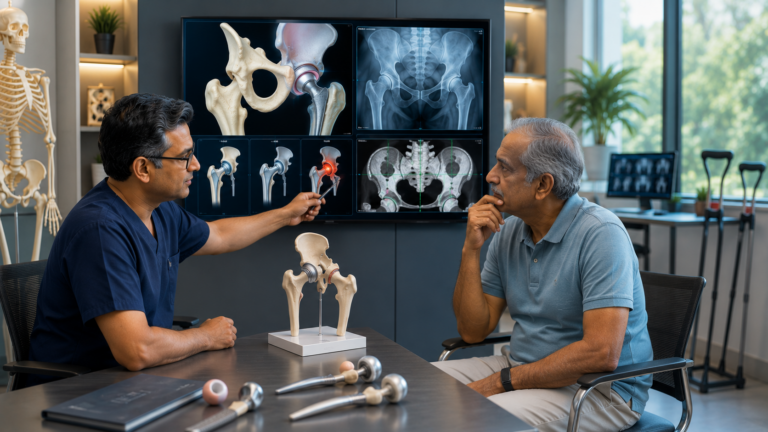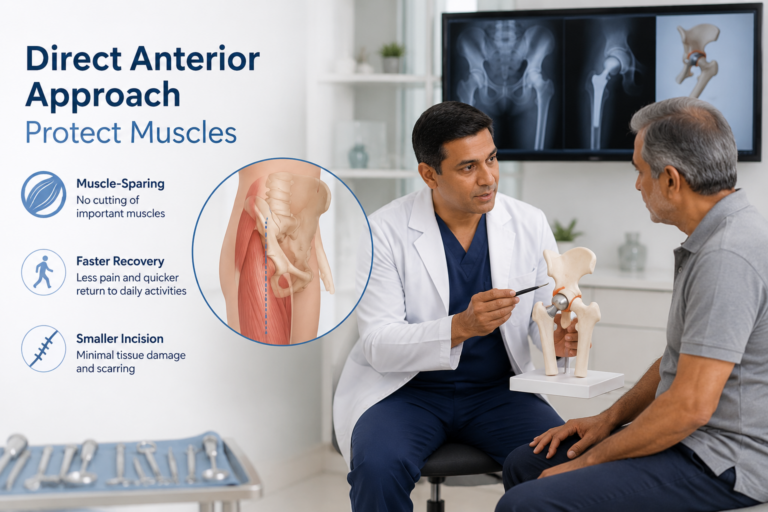

Hip joint stiffness is a common symptom that can make it difficult to walk, bend, sit, or perform daily activities. Common causes of hip joint stiffness include arthritis, muscle tightness, hip injuries, inflammation, and age-related joint wear.
What Is Hip Joint Stiffness?
Hip joint stiffness refers to reduced flexibility and limited movement in the hip joint. People often notice difficulty when:
- Getting out of bed in the morning
- Standing after sitting for long periods
- Climbing stairs
- Walking long distances
- Bending or squatting
While occasional stiffness may occur after physical activity, persistent stiffness can signal an underlying problem.
Common Causes of Hip Joint Stiffness
1. Hip Osteoarthritis
Hip osteoarthritis is one of the most common causes of hip stiffness, especially in older adults.
As cartilage gradually wears away, patients may experience:
- Joint stiffness
- Hip pain
- Reduced mobility
- Difficulty walking
Morning stiffness is often a common symptom.
2. Hip Labral Tear
The hip labrum is a ring of cartilage that helps stabilize the hip joint.
A labral tear can cause:
- Hip stiffness
- Groin pain
- Clicking sensations
- Limited range of motion
This condition is often seen in athletes and active individuals.
3. Hip Bursitis
Hip bursitis occurs when the fluid-filled sacs around the hip become inflamed.
Common symptoms include:
- Hip stiffness
- Pain on the outer side of the hip
- Tenderness
- Discomfort during movement
4. Muscle Tightness and Weakness
Tight hip flexors, hamstrings, and surrounding muscles can restrict hip movement.
This is common in:
- People with sedentary lifestyles
- Office workers
- Athletes with inadequate stretching routines
5. Hip Injuries
Previous injuries may contribute to long-term stiffness.
Examples include:
- Sports injuries
- Falls
- Hip fractures
- Muscle strains
Scar tissue and inflammation can reduce joint flexibility.
6. Rheumatoid Arthritis
Rheumatoid arthritis is an autoimmune condition that causes inflammation in the joints.
Symptoms may include:
- Hip stiffness
- Joint swelling
- Fatigue
- Persistent pain
Stiffness is often worse in the morning.
7. Avascular Necrosis (AVN)
Avascular necrosis occurs when blood supply to the hip bone is reduced.
Early symptoms may include:
- Hip stiffness
- Groin pain
- Difficulty walking
- Progressive loss of movement
Early diagnosis is important to prevent joint collapse.
What Does Hip Joint Stiffness Indicate?
Persistent hip stiffness may indicate:
- Early arthritis
- Joint inflammation
- Cartilage damage
- Hip impingement
- Labral tears
- Degenerative joint disease
When stiffness is accompanied by pain, limping, or reduced mobility, a detailed orthopedic assessment is recommended.
When Should You Be Concerned About Hip Stiffness?
You should consult a doctor if hip stiffness:
- Persists for several weeks
- Worsens over time
- Affects walking or daily activities
- Causes significant pain
- Occurs with swelling
- Limits your range of motion
Early treatment often leads to better outcomes.
How Is Hip Joint Stiffness Diagnosed?
An orthopedic specialist may recommend:
- Physical examination
- Range-of-motion testing
- X-rays
- MRI scans
- Blood tests (if inflammatory arthritis is suspected)
These tests help identify the underlying cause and guide treatment.
Treatment Options for Hip Joint Stiffness
Treatment depends on the underlying condition.
Non-Surgical Treatment
Many patients improve with:
- Physiotherapy
- Stretching exercises
- Activity modification
- Anti-inflammatory medications
- Weight management
Early intervention often helps prevent progression.
Surgical Treatment
Surgery may be considered when:
- Severe arthritis is present
- Hip damage is advanced
- Conservative treatment fails
- Daily activities become significantly affected
Procedures may include hip arthroscopy or hip replacement surgery in advanced cases.
Can Hip Joint Stiffness Be Prevented?
You can reduce the risk of hip stiffness by:
- Staying physically active
- Maintaining a healthy weight
- Performing regular stretching exercises
- Strengthening hip and core muscles
- Avoiding prolonged sitting
Consistent movement helps maintain joint flexibility and mobility.
About Dr. Abhinandan Punit
Dr. Abhinandan Punit is a European Board-Certified Orthopaedic Surgeon in Bangalore with over 15 years of experience in hip replacement surgery, arthritis treatment, sports injuries, and advanced orthopedic care. He specializes in personalized treatment plans focused on restoring mobility, reducing pain, and improving quality of life.
Conclusion
Hip joint stiffness can result from arthritis, injuries, inflammation, muscle tightness, or degenerative joint conditions. While occasional stiffness may not be a cause for concern, persistent symptoms should be evaluated by an orthopedic specialist. Early diagnosis and treatment can help improve mobility, reduce pain, and maintain long-term hip function.
Expert Advice from Dr. Abhinandan Punit
According to Dr. Abhinandan Punit:
“Hip joint stiffness is often one of the earliest signs of underlying joint problems. Persistent stiffness should not be ignored, especially when it affects mobility or daily activities. Early diagnosis allows patients to receive appropriate treatment before the condition progresses.”
Consult for Hip Joint Stiffness Treatment in Bangalore
If you are experiencing persistent hip stiffness, difficulty walking, reduced flexibility, or hip pain, a specialist evaluation can help identify the underlying cause and prevent further joint deterioration.
Dr. Abhinandan Punit provides comprehensive diagnosis and treatment for hip conditions, arthritis, sports injuries, and mobility-related disorders with a focus on long-term joint health and recovery.
Book an appointment with Dr. Abhinandan Punit for a detailed hip evaluation and personalized treatment plan.
Frequently Asked Questions About Hip Joint Stiffness
What causes hip joint stiffness in adults?
Hip joint stiffness can be caused by osteoarthritis, muscle tightness, hip injuries, bursitis, labral tears, or inflammatory conditions such as rheumatoid arthritis. The exact cause can be determined through a medical evaluation and imaging studies.
Is hip stiffness a sign of arthritis?
Yes, hip stiffness is one of the most common early signs of hip arthritis. It often occurs in the morning or after periods of inactivity and may gradually worsen as the condition progresses.
Can exercise help reduce hip joint stiffness?
Yes, appropriate stretching and strengthening exercises can improve flexibility, mobility, and muscle support around the hip joint. However, exercises should be performed under professional guidance if significant pain is present.
When should I see a doctor for hip stiffness?
You should seek medical attention if hip stiffness persists for several weeks, interferes with daily activities, causes pain, or is associated with reduced mobility and walking difficulties.
Can hip joint stiffness go away on its own?
Mild stiffness caused by temporary muscle tightness or overuse may improve with rest and stretching. However, stiffness caused by arthritis, injuries, or joint damage usually requires proper diagnosis and treatment.