
Is anterior hip replacement better than traditional hip replacement? This is one of the most common questions asked by patients considering hip replacement surgery. Anterior hip replacement may offer less muscle damage, faster recovery, and reduced post-operative pain, while traditional hip replacement provides proven long-term results.
What Is Hip Replacement Surgery?
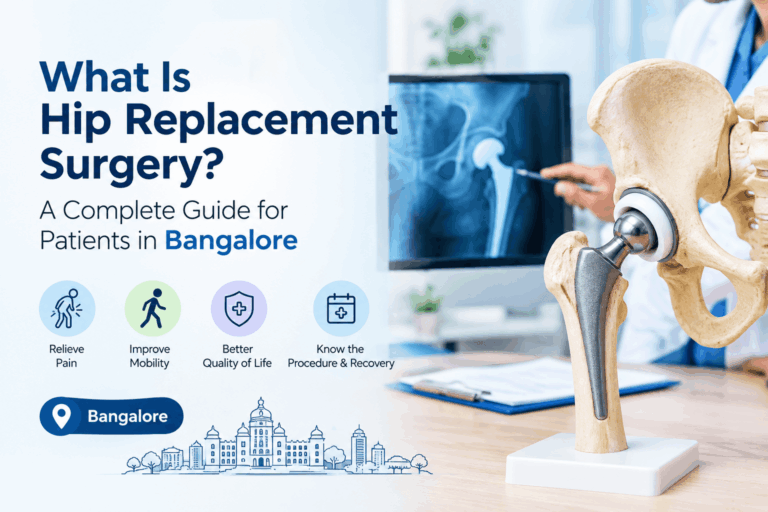
Hip replacement surgery is a procedure where a damaged hip joint is replaced with an artificial implant. It is commonly recommended for patients suffering from:
- Severe hip arthritis
- Hip joint pain
- Avascular necrosis
- Hip stiffness
- Difficulty walking
The goal is to reduce pain and improve mobility and quality of life.
What Is Anterior Hip Replacement?
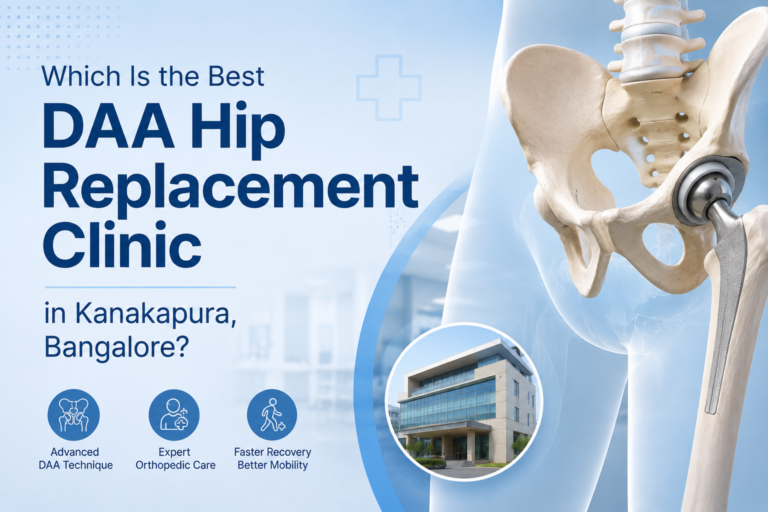
Anterior hip replacement is a modern surgical technique where the surgeon accesses the hip joint from the front of the body.
This method allows:
- Less muscle cutting
- Smaller incisions
- Faster early recovery
- Reduced post-operative pain
It is considered a muscle-sparing approach.
What Is Traditional Hip Replacement?
Traditional hip replacement is usually performed using a posterior or lateral approach.
In this method:
- Muscles are temporarily detached for access
- Larger surgical exposure may be required
- Recovery may be slightly slower in early stages
However, it has been successfully used for decades with excellent long-term results.
Benefits of Anterior Hip Replacement
1. Faster Recovery
Patients often start walking earlier compared to traditional methods.
Learn more about the anterior hip replacement approach and its recovery benefits.
2. Less Muscle Damage
Muscles are separated rather than cut, which helps in quicker healing.
3. Reduced Pain
Less tissue trauma can lead to lower post-surgery pain.
4. Smaller Incision
The procedure typically involves a smaller surgical cut.
Risks of Anterior Hip Replacement
Like any surgery, it also has risks:
- Nerve irritation
- Limited surgical visibility in some cases
- Fracture risk in complex anatomy
- Standard surgical complications (infection, blood clots)
Benefits of Traditional Hip Replacement
Traditional hip replacement remains highly reliable and includes:
- Proven long-term success
- Suitable for complex cases
- Widely practiced technique
- High implant survival rates
Anterior vs Traditional Hip Replacement
| Factor | Anterior Approach | Traditional Approach |
| Muscle damage | Less | More |
| Recovery speed | Faster early recovery | Gradual recovery |
| Pain | Less initially | Moderate |
| Surgical exposure | Limited | Better visibility |
| Long-term outcome | Similar | Proven |
Which Is Better for You?
There is no single “best” method for everyone.
Anterior hip replacement may be better for:
- Active patients
- Patients wanting faster recovery
- Suitable bone anatomy cases
Traditional surgery may be better for:
- Complex deformities
- Revision surgeries
- Cases requiring better visibility
Consult for Hip Replacement Treatment in Bangalore
Choosing the right treatment for hip pain is important for long-term mobility and quality of life. Whether you are considering anterior hip replacement or traditional surgery, expert evaluation helps you make the right decision.
Dr. Abhinandan Punit is an Orthopedic & Robotic Joint Replacement Surgeon in Bangalore with:
- 15+ years of orthopedic experience
- 6,000+ surgeries performed
- Expertise in hip replacement and joint reconstruction
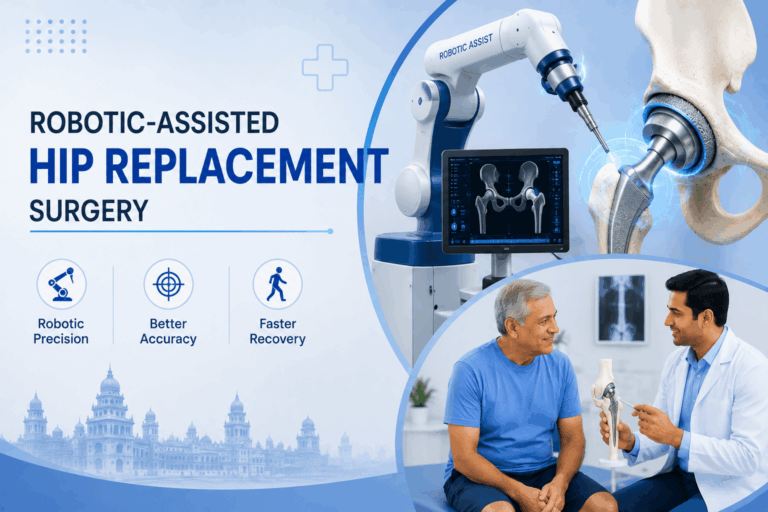
- Advanced minimally invasive and robotic-assisted techniques
- Personalized rehabilitation-focused treatment approach
👉 Patients can consult Dr. Abhinandan Punit for hip replacement treatment and surgical evaluation in Bangalore.
📍 Elite Orthocare, Kanakapura Road, Bangalore
📍 Narayana Clinic, Electronic City, Bangalore
Conclusion
Is anterior hip replacement better For some patients, anterior hip replacement may offer faster recovery and less muscle damage. However, both anterior and traditional hip replacement techniques can provide excellent long-term outcomes when performed by an experienced orthopaedic surgeon.
Expert Advice from Dr. Abhinandan Punit
According to Dr. Abhinandan Punit:
“Both anterior and traditional hip replacement techniques are effective. The right approach depends on the patient’s condition, bone quality, and long-term mobility goals. Proper evaluation is key to achieving the best outcome.”
Frequently Asked Questions
How long does recovery take after anterior hip replacement?
Most patients start walking within days and recover basic mobility in a few weeks, but full recovery may take several months.
Is anterior hip replacement safe?
Yes, it is generally safe when performed by an experienced surgeon, though it carries standard surgical risks like infection or nerve irritation.
Is anterior hip replacement better than traditional hip replacement?
Anterior hip replacement may provide faster early recovery, less muscle damage, and reduced pain for suitable patients. However, both approaches have similar long-term outcomes, and the best option depends on the patient’s condition and anatomy.