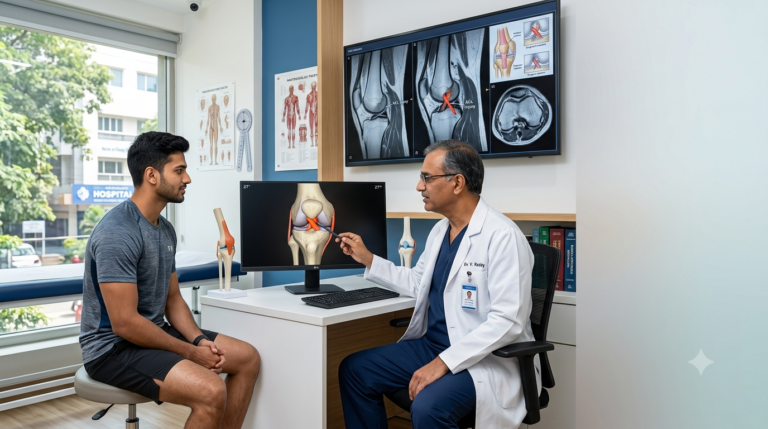

ACL Surgery in Bangalore: ACL Tear Treatment & Reconstruction by Dr. Abhinandan Punit
ACL surgery in Bangalore is commonly recommended for complete ACL tears causing knee instability, repeated twisting, difficulty during sports, or knee “giving way” while walking. Dr. Abhinandan Punit, Orthopedic & Robotic Joint Replacement Surgeon in Bangalore, performs advanced arthroscopic ACL reconstruction to restore knee stability, improve mobility, and help patients safely return to sports and daily activities.
What Is ACL Surgery?
ACL surgery is a minimally invasive arthroscopic procedure used to reconstruct a torn anterior cruciate ligament (ACL) in the knee. The surgery helps restore knee stability, reduce repeated twisting episodes, and prevent further meniscus or cartilage damage caused by long-term instability.
What Is an ACL Tear?
An ACL tear is a ligament injury affecting the anterior cruciate ligament inside the knee joint. It commonly occurs during sudden twisting, sports injuries, awkward landings, or road traffic accidents. Complete ACL tears usually do not heal naturally and may cause long-term instability if untreated.
When Do You Need ACL Surgery in Bangalore?
ACL surgery in Bangalore is usually recommended when knee instability affects daily activities, sports, or walking confidence. Surgery becomes more important in active individuals, athletes, and patients experiencing repeated knee twisting episodes after injury.
Common Signs You May Need ACL Reconstruction Surgery
- Knee giving way while walking or turning
- Repeated swelling after physical activity
- Pain during sports or gym workouts
- Difficulty climbing stairs confidently
- Clicking or locking sensation in the knee
- Meniscus injury along with ACL tear
- Inability to return to sports activities
- Persistent knee instability after physiotherapy
Can ACL Tears Heal Without Surgery?
Partial ACL tears may sometimes improve with physiotherapy and muscle strengthening. However, complete ACL tears usually do not heal completely because the ligament has limited natural healing capacity. Many patients initially feel better after swelling reduces but later develop instability and repeated knee twisting.
What Happens If ACL Surgery Is Delayed?
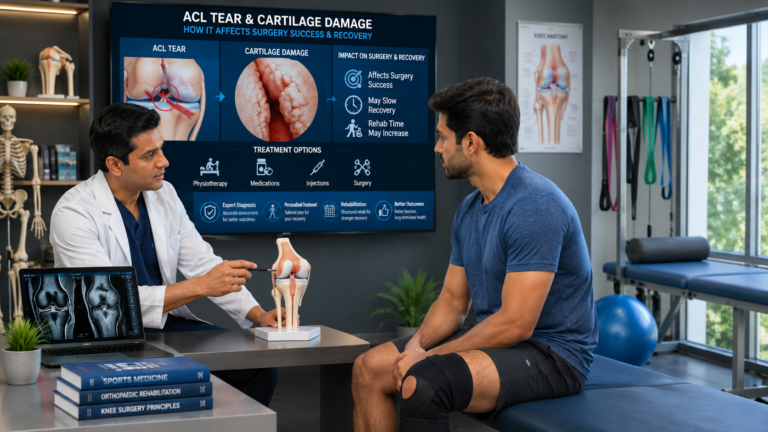
Delaying ACL reconstruction surgery may increase the risk of additional knee damage over time. Repeated instability episodes can gradually affect the meniscus and knee cartilage, increasing the chances of early arthritis and long-term knee weakness.
Real Patient Scenario from Bangalore
Many patients in Bangalore initially avoid treatment because knee swelling improves within a few weeks after injury. However, they later experience repeated twisting, instability during badminton or football, and difficulty while climbing stairs or exercising.
In several cases, delayed diagnosis leads to meniscus injuries that could have been prevented with early ACL treatment and proper rehabilitation planning.
How Is ACL Surgery Performed?
ACL repair surgery is usually performed arthroscopically using small keyhole incisions and a camera-guided surgical technique. The damaged ligament is reconstructed using a graft taken from the patient or donor tissue to restore knee stability.
Steps Involved in ACL Reconstruction Surgery
- Knee evaluation and MRI confirmation
- Arthroscopic examination of the knee joint
- Removal of damaged ACL tissue
- Preparation of graft for reconstruction
- Placement of graft inside the knee
- Fixation using surgical implants
- Stability testing before closure
- Rehabilitation and physiotherapy planning
Is ACL Surgery Painful?
Modern ACL surgery in Bangalore is usually less painful than many patients expect because advanced arthroscopic techniques, anesthesia, and rehabilitation protocols have improved significantly. Most patients begin walking with support within a short period after surgery.
Post-surgery discomfort is generally manageable with:
- pain medications
- ice therapy
- physiotherapy
- controlled rehabilitation exercises
How Long Does ACL Surgery Recovery Take?
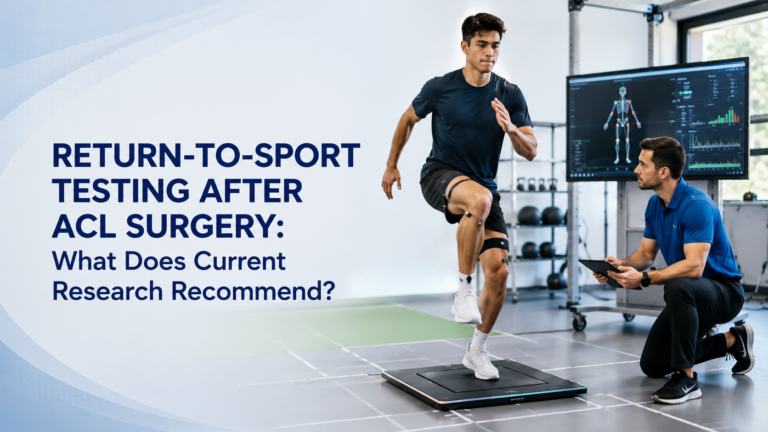
Recovery after ACL reconstruction surgery happens gradually over several months. Most patients return to basic walking within a few weeks, while sports recovery usually requires structured rehabilitation and muscle strengthening.
General ACL Recovery Timeline
| Recovery Stage | Expected Progress | Approximate Timeline |
|---|---|---|
| Walking with support | Early mobility begins | 1–2 weeks |
| Reduced swelling | Improved knee movement | 3–6 weeks |
| Strength training | Muscle rehabilitation | 2–4 months |
| Jogging/light sports | Controlled activity return | 4–6 months |
| Full sports recovery | Advanced rehabilitation | 6–9 months |
ACL Surgery vs Physiotherapy: Which Is Better?
| Factor | Physiotherapy Alone | ACL Reconstruction Surgery |
|---|---|---|
| Knee Stability | May remain unstable | Better long-term stability |
| Return to Sports | Difficult in active patients | Higher success rate |
| Risk of Meniscus Damage | Higher over time | Lower with stable knee |
| Recovery Duration | Short initially | Structured recovery |
| Long-Term Knee Health | Variable outcomes | More predictable outcomes |
Why Choose Dr. Abhinandan Punit for ACL Surgery in Bangalore?
Dr. Abhinandan Punit is an Orthopedic & Robotic Joint Replacement Surgeon with:
- 15+ years of orthopedic experience
- 6000+ surgeries performed
- Expertise in sports injury and ligament reconstruction
- Advanced arthroscopic ACL reconstruction techniques
- International orthopedic training and MCh Orthopaedics (UK)
- Practice locations in Bangalore including Kanakapura Road and Electronic City
- LinkedIn Profile
Hospital Affiliations
What Should You Expect Before ACL Surgery?
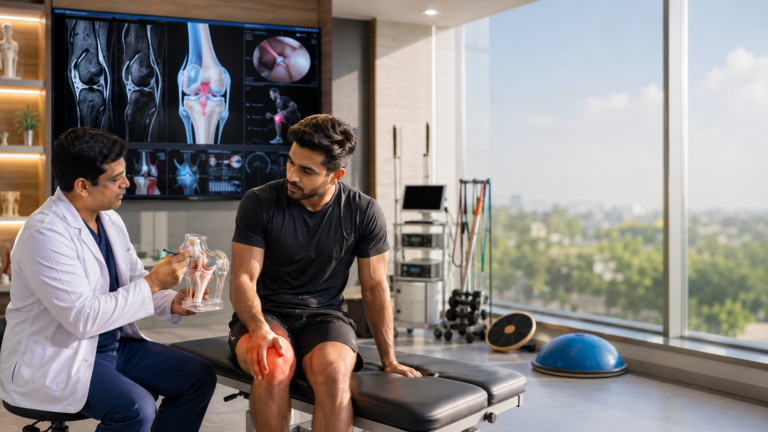
Before ACL reconstruction surgery, patients usually undergo:
- MRI evaluation
- Physical examination
- Knee stability assessment
- Meniscus injury screening
- Physiotherapy planning
- Fitness evaluation for surgery
Pre-surgery planning helps improve recovery outcomes and reduces complications.
When Should You See an ACL Repair Surgeon?
You should consult an ACL repair surgeon if:
- Knee instability continues after injury
- The knee repeatedly twists during movement
- Swelling returns after activity
- Sports participation becomes difficult
- MRI confirms an ACL tear
- Walking confidence decreases
- Knee locking or clicking develops
Early evaluation can help prevent additional meniscus and cartilage damage.
Don’t Ignore Knee Instability After an ACL Tear
Repeated knee twisting, instability, or swelling after sports may indicate a serious ligament injury. Early diagnosis and proper treatment can help prevent long-term knee damage and improve recovery outcomes.
Consult Dr. Abhinandan Punit, Orthopedic & Robotic Joint Replacement Surgeon in Bangalore, for:
- ACL tear diagnosis
- Arthroscopic ACL reconstruction
- Meniscus injury treatment
- Sports injury rehabilitation
- Personalized recovery planning
📍 Elite Orthocare – Kanakapura Road
📍 Narayana Clinic – Electronic City, Bangalore
Frequently Asked Questions (FAQ)
Is ACL surgery necessary for everyone?
No. Partial ACL tears and low-demand patients may sometimes manage symptoms with physiotherapy and muscle strengthening. However, complete ACL tears causing instability, repeated twisting, or sports limitations usually require ACL reconstruction surgery for long-term knee stability and protection against additional meniscus damage.
How much does ACL surgery cost in Bangalore?
The cost of ACL surgery in Bangalore depends on factors such as hospital category, surgeon expertise, implant type, graft selection, associated meniscus repair, and rehabilitation requirements. Arthroscopic ACL reconstruction may vary significantly between hospitals depending on the complexity of the injury and recovery planning involved.
Can I walk after ACL surgery?
Most patients begin standing and walking with support shortly after surgery depending on pain control, swelling, and rehabilitation progress. Physiotherapy plays a major role in improving walking confidence, knee movement, and muscle strength during recovery after ACL reconstruction surgery.
What is the success rate of ACL reconstruction surgery?
Modern arthroscopic ACL reconstruction generally has a high success rate when performed with proper surgical technique and structured rehabilitation. Recovery outcomes depend on graft healing, physiotherapy consistency, muscle strengthening, and avoiding early return to high-impact sports before full recovery.
Can ACL tears heal naturally without surgery?
Complete ACL tears usually do not heal naturally because the ligament has poor blood supply and limited healing ability. Some patients temporarily feel better once swelling reduces, but instability often continues during turning, sports, or sudden knee movements.
How long before returning to sports after ACL surgery?
Return to sports usually requires several months of rehabilitation and strength recovery. Most patients gradually progress from walking to strengthening exercises and controlled sports training before full return to competitive activities after medical clearance.
Is ACL surgery safe?
ACL reconstruction surgery is generally considered safe when performed by an experienced orthopedic surgeon using modern arthroscopic techniques. As with any surgery, risks like infection, stiffness, swelling, or graft-related complications can occur but are relatively uncommon with proper rehabilitation and follow-up care.
Can ACL injuries cause arthritis later?
Yes. Untreated ACL instability may gradually damage the meniscus and knee cartilage over time, increasing the risk of early arthritis. Early diagnosis, rehabilitation, and proper treatment planning help reduce long-term joint damage and improve knee function.