
Doctor’s Bio
- Dr. Abhinandan Punit,(Best Knee Replacement surgeon Bangalore) MS, DNB, MCh (Edinburgh), MSc Sports & Exercise Medicine
- 15+ years of surgical experience with 6,000+ orthopedic surgeries
- Performs 200+ knee replacements annually, specializing in robotic techniques (MAKO, Cuvis, Cori)
- Fellowship training in the UK and Australia
- Founder of Elite Orthocare Multi Specialty Clinic and consultant at Narayana Clinic & Hospitals
- Member of ISHKS and ISTA, with published outcome research in peer reviewed journals
How Long Does ACL Recovery Take? Timeline Explained by Dr. Abhinandan Punit
ACL surgery recovery typically spans 9 to 12 months before athletes can safely return to competitive sports, though individual timelines vary based on injury severity, surgical approach, and rehabilitation commitment. The anterior cruciate ligament—a critical stabilizer in your knee—requires systematic healing phases that can’t be rushed without risking re-injury.
Modern rehabilitation techniques have refined these timelines, but patience remains essential. While some patients walk without crutches within two weeks, full strength restoration demands months of dedicated physical therapy. Understanding your recovery roadmap helps set realistic expectations and prepare for the surgical process ahead.
What Is an ACL Injury?
An ACL injury involves damage to the anterior cruciate ligament, one of four major ligaments stabilizing the knee joint. The ACL connects your thighbone to your shinbone, preventing the tibia from sliding forward and controlling rotational movements during physical activity.
ACL tears typically occur during sudden stops, direction changes, or awkward landings—movements common in basketball, soccer, and skiing. According to ACL Injury Rehabilitation: New Advances in Recovery Techniques, approximately 200,000 ACL injuries happen annually in the United States alone, with half requiring surgical reconstruction.
The injury severity ranges from mild stretching (Grade 1) to partial tears (Grade 2) to complete ruptures (Grade 3). Complete tears rarely heal on their own because the ACL lacks sufficient blood supply for natural regeneration. This limitation significantly impacts recovery time, as most patients with complete tears need surgical reconstruction followed by extensive rehabilitation.
Understanding your injury’s nature helps set realistic expectations for the recovery journey ahead, which varies based on tear severity and your activity goals.
Common Causes of ACL Injury
ACL tears typically occur during sudden directional changes, abrupt stops, or awkward landings. Athletic activities account for approximately 70% of all ACL injuries, with sports like soccer, basketball, and skiing presenting the highest risk. The mechanism usually involves a non-contact pivot or twist while the foot remains planted.
However, direct contact injuries also happen—a collision or tackle can force the knee beyond its normal range of motion. Women face 2-8 times higher risk than men due to anatomical differences in hip and knee alignment, muscle activation patterns, and hormonal factors affecting ligament laxity.
Understanding these injury mechanisms is crucial because prevention strategies and rehabilitation approaches vary based on the injury type. Whether the tear occurred from sports or an accident significantly influences surgery recovery protocols and expected timelines. Recognizing the early warning signs immediately after such incidents can help determine the severity of the injury.
Symptoms of an ACL Tear
Recognizing ACL tear symptoms is crucial for prompt treatment and optimal recovery outcomes. The most distinctive sign is an audible “pop” at the moment of injury, reported by approximately 70% of patients. This sound often signals complete ligament rupture.
Immediate symptoms include:
- Sudden, severe knee pain
- Rapid swelling within 2-6 hours
- Instability or “giving way” sensation
- Limited range of motion
- Difficulty bearing weight
The knee typically swells significantly due to bleeding within the joint. Many people cannot continue their activity and experience a feeling that the knee might buckle during movement. This instability becomes particularly noticeable when pivoting or changing direction.
Later symptoms develop over hours to days. Persistent swelling, tenderness along the joint line, and discomfort with walking are common. Some patients report a sensation that their knee “locks” or catches during movement—a sign that may indicate additional cartilage damage.
However, ACL tears sometimes present with minimal initial symptoms. Around 30% of people with complete ligament tears report manageable pain and can walk afterward, though instability persists. This deceptive presentation often delays diagnosis.
Early recognition matters because symptoms directly impact the recovery timeline after ACL surgery. Addressing an acute tear typically results in better outcomes than treating chronic instability with secondary cartilage damage.
When Is ACL Surgery Needed?
Not every torn ACL requires surgical intervention. The decision depends on several factors, including injury severity, activity level, age, and knee stability. Athletes and highly active individuals typically benefit from surgical reconstruction to restore full function and prevent long-term complications like cartilage damage or chronic instability.
Conservative treatment—involving physical therapy, bracing, and activity modification—may be appropriate for partial tears, older adults with lower activity demands, or patients with specific medical conditions that increase surgical risks. In practice, orthopedic surgeons assess each case individually, considering factors like the presence of additional knee injuries (meniscus or cartilage damage) that might warrant surgical repair.
For complete tears in active patients, surgical reconstruction using precision surgical techniques becomes necessary to prevent secondary injuries. The ACL doesn’t heal on its own due to poor blood supply, making surgery the only option for restoring true knee stability. Delayed surgery may be recommended after initial swelling subsides, allowing better pre-operative conditioning and improved surgical outcomes.
ACL Recovery Timeline (Step-by-Step)
Torn ACL recovery follows a structured, phase-based approach that typically spans 6–12 months, though individual timelines vary based on surgical technique, graft type, and patient commitment to rehabilitation. Modern rehabilitation techniques emphasize progressive loading and early motion to optimize outcomes.
Recovery unfolds in distinct stages, each with specific goals. However, advanced robotic surgical techniques can potentially accelerate certain phases through enhanced precision and reduced tissue trauma. What typically happens is that patients progress through controlled phases—starting with basic mobility, advancing to strengthening, and ultimately returning to sport-specific movements. Each stage builds upon the previous one, creating a foundation for long-term knee stability and function.
Week 1–2: Early Recovery Phase
The immediate post-operative period focuses on pain management, wound care, and protecting the surgical site. Most patients experience swelling and discomfort during this phase, which is entirely normal. Your surgeon will prescribe medications to control pain and inflammation while monitoring for any signs of infection.
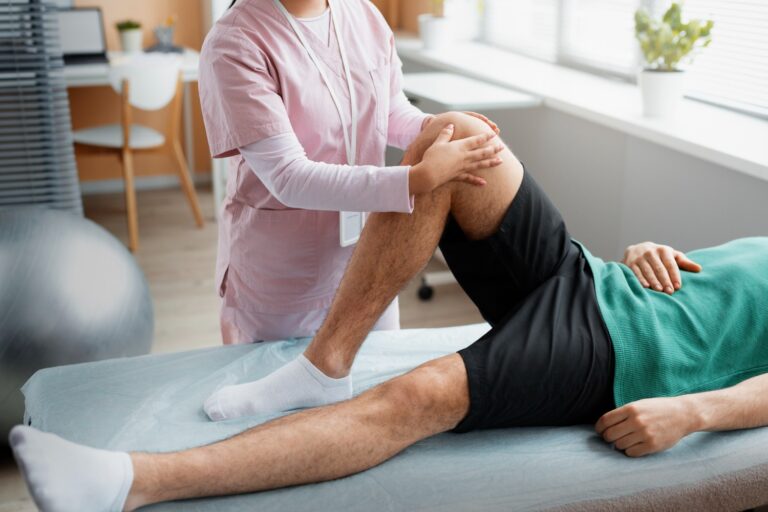
Key priorities during the first two weeks include gentle range-of-motion exercises to prevent stiffness and weight-bearing as tolerated with crutches. Advanced rehabilitation techniques emphasize early mobilization to promote healing without compromising graft stability. Physical therapy typically begins within 48–72 hours post-surgery, focusing on ankle pumps, quad sets, and passive knee flexion.
Many patients searching for “acl recovery timeline reddit” find that individual experiences vary based on surgical technique and adherence to protocols. However, consistently following your physiotherapy regimen during these initial weeks significantly impacts long-term outcomes. Expect limited knee bend (60–90 degrees) and partial weight-bearing by week two, setting the foundation for the mobility improvements that follow.
Week 3–6: Improving Knee Mobility
During weeks 3–6 post surgery, the focus shifts from basic healing to restoring functional range of motion. Most patients can bend their knee to 90 degrees by week four, though full extension remains a priority. Physical therapy intensifies with wall slides, stationary bike work, and progressive resistance exercises. Weight-bearing increases to full tolerance with proper gait mechanics. Advanced rehabilitation techniques emphasize controlled movement patterns to prevent compensatory habits.
A common pattern during this phase involves managing the balance between pushing mobility gains and respecting tissue healing constraints. Swelling typically decreases significantly, though minor inflammation after therapy sessions is normal. Straight-leg raises become more controlled, and patients may begin shallow step-ups. However, aggressive stretching remains contraindicated—overstretching the healing graft can compromise long-term stability. Most patients at specialized ACL centers achieve 120-degree flexion by week six, setting the foundation for subsequent strength-building phases.
2–3 Months: Strength and Stability Phase
Between months two and three, rehabilitation intensifies to rebuild muscle strength lost during the initial recovery from an acl tear. Quadriceps and hamstring exercises become more demanding, incorporating resistance bands and leg presses. Balance training on unstable surfaces prepares the knee for dynamic movements.
A common pattern is introducing single-leg exercises to address strength imbalances between the operative and non-operative limbs. Patients typically progress to stationary cycling and light jogging on anti-gravity treadmills, which reduce impact stress.
However, returning to high-impact activities too quickly remains a primary concern. ACL injury rehabilitation protocols emphasize gradual loading to protect the healing graft. Physical therapists assess knee stability through specific tests before clearing patients for advanced training programs that simulate sport-specific movements.
By three months post-surgery, most patients achieve 90% of normal knee extension strength, though full athletic performance remains several months away.
4–6 Months: Advanced Rehabilitation Phase
Between months four and six, rehabilitation intensifies to prepare the knee for sport-specific movements. This phase answers how long it takes before patients can attempt controlled pivoting, cutting, and light jogging—activities that remain off-limits earlier in recovery.
Functional training becomes the priority. Exercises shift from basic strength work to dynamic drills that mimic real-world demands: lateral shuffles, single-leg hops, and plyometric jumps. According to ACL Injury Rehabilitation: New Advances in Recovery Techniques, neuromuscular control exercises during this window significantly reduce re-injury risk by retraining nerve-muscle coordination.
However, progress isn’t uniform. Patients who undergo advanced reconstruction methods may show faster graft maturation, while those with concurrent meniscus repairs often need modified protocols. Objective testing—like hamstring-to-quadriceps strength ratios exceeding 0.9—helps determine readiness for the next phase rather than relying solely on timelines.
6–9 Months: Return to Sports
Between months six and nine, athletes often wonder how long does it realistically take to return to competitive sports after an ACL injury. This phase marks the transition from rehabilitation to sport-specific performance testing, where cleared athletes gradually resume full activity.
Return-to-sport criteria include passing functional tests—such as single-leg hop tests showing at least 90% symmetry between legs, psychological readiness assessments, and demonstrating controlled cutting movements without pain or instability. Athletes must complete progressive return protocols that simulate game conditions while monitoring knee response.
However, clearance timing varies significantly. Contact sport athletes typically require nine months minimum, while lower-demand activities may allow earlier participation. One practical approach is phased return: begin with practice sessions before full competition, allowing the knee to adapt under supervised conditions and reducing re-injury risk during this critical window.
Factors That Affect ACL Recovery Time
Recovery from ACL tear surgery isn’t one-size-fits-all—several critical factors determine how quickly you’ll return to full activity. Understanding these variables helps set realistic expectations for your personal timeline.
Age plays a significant role, with younger patients typically healing faster due to more robust cellular regeneration. However, research shows that patient compliance with rehabilitation protocols matters more than age alone. An older athlete following their program diligently often recovers faster than a younger patient who skips physiotherapy.
Injury severity directly impacts recovery duration. A partial ACL tear may heal with conservative treatment in 3-4 months, while complete ruptures requiring reconstruction typically need 9-12 months. The presence of additional damage—like meniscus tears or cartilage injuries—extends the timeline considerably.
Robotic vs. traditional surgical techniques also influence healing speed. Advanced surgical approaches can improve precision, potentially reducing early-stage complications.
Graft selection matters substantially. Patellar tendon grafts often allow earlier weight-bearing but may cause more initial discomfort, while hamstring grafts typically involve less early pain but require longer protection phases.
Beyond these factors, your overall health status—including body mass index, pre-existing conditions, and nutritional status—affects tissue healing rates. These elements combine to create your unique recovery pathway.
Tips for Faster ACL Recovery
Optimizing your recovery after ACL tear requires more than just following your surgeon’s basic instructions—it demands a strategic approach to rehabilitation. While individual healing varies, specific actions can significantly accelerate your timeline.
Adherence to physical therapy stands as the single most important factor. Patients who consistently complete prescribed exercises typically return to activity 25-30% faster than those with spotty attendance. Advanced recovery techniques now incorporate neuromuscular training that retrains proprioception alongside strength building.
Nutrition plays a crucial role in tissue healing. Prioritize protein intake (1.2-1.5g per kilogram of body weight daily), along with anti-inflammatory foods rich in omega-3 fatty acids. Stay hydrated—dehydration impairs collagen synthesis and slows graft integration.
Sleep quality directly impacts recovery speed. Aim for 7-9 hours nightly, as growth hormone release peaks during deep sleep, accelerating tissue repair. Elevate your leg during the first weeks to minimize swelling that can inhibit healing.
Avoid rushing milestones. Pushing through pain or skipping rehabilitation phases increases re-injury risk substantially. Listen to your body’s signals and communicate openly with your physical therapist about any concerns.
Why Choose Dr. Abhinandan Punit for ACL Surgery in Bangalore?
Selecting the right surgeon significantly impacts your ACL tear surgery outcome and recovery timeline.
Dr. Abhinandan Punit is a highly experienced orthopedic surgeon and one of the leading knee specialists in Bangalore. With over 15 years of surgical experience and more than 6,000 orthopedic surgeries performed, he is known for his expertise in advanced knee and ligament procedures.
He performs 200+ knee replacement surgeries annually and specializes in advanced robotic technologies such as Cuvis which enhance surgical precision and patient outcomes.
Dr. Abhinandan Punit has received fellowship training in the United Kingdom and Australia, gaining international exposure to modern orthopedic techniques and sports injury management.
He is also the Founder of Elite Orthocare Multi Specialty Clinic and serves as a consultant at Narayana Clinic & Hospitals, where he provides comprehensive care for patients with knee injuries, ligament tears, arthritis, and joint problems.
In addition, Dr. Abhinandan Punit is an active member of ISHKS (Indian Society of Hip and Knee Surgeons) and ISTA (Indian Society of Arthroscopy). His research and surgical outcomes have been published in peer-reviewed medical journals, demonstrating his commitment to evidence-based orthopedic care.
Patients choose Dr. Abhinandan Punit for his:
- Extensive surgical experience
- Expertise in advanced knee and ligament procedures
- Minimally invasive arthroscopic techniques
- Personalized rehabilitation programs
- Focus on long-term joint health and recovery
When Should You See an ACL Specialist?
Recognizing when to consult an ACL specialist can dramatically affect your recovery trajectory and long-term knee health. While minor knee discomfort might resolve with rest, certain warning signs demand immediate professional evaluation.