
Difference Between Anterior and Lateral Hip Replacement
Anterior hip replacement is performed from the front of the hip joint and usually avoids cutting major muscles, while lateral hip replacement is performed from the side of the hip and may involve separating certain muscles for better joint access. Both procedures are effective for hip arthritis, but recovery, muscle involvement, and movement restrictions can differ.
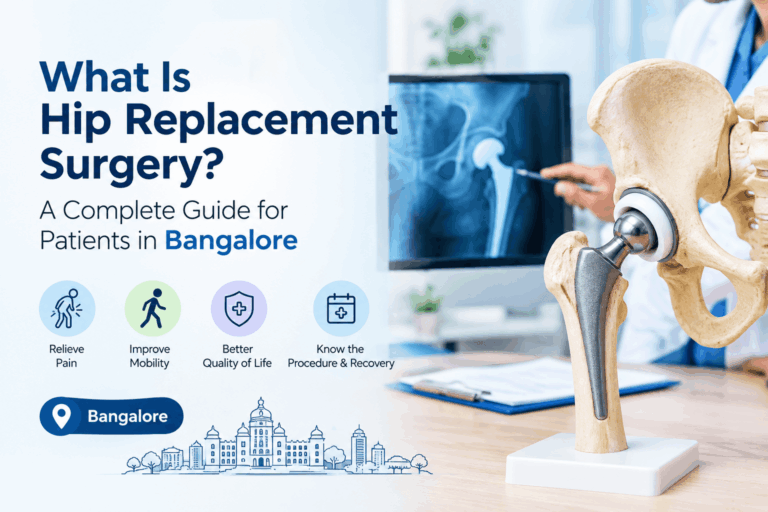
Hip replacement surgery helps relieve pain, improve mobility, and restore quality of life in patients with severe hip arthritis or joint damage. Understanding the difference between Anterior Hip Replacement and Lateral Hip Replacement helps patients make informed decisions about treatment and recovery.
What is Anterior Hip Replacement?
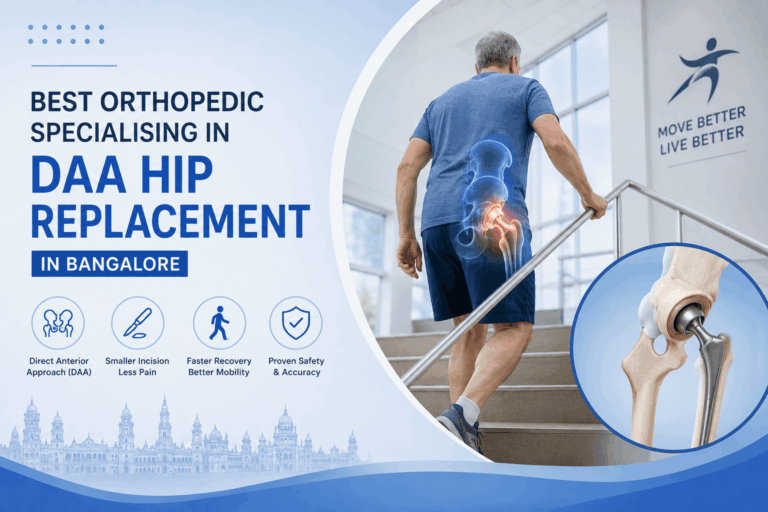
Anterior Hip Replacement is a surgical approach where the surgeon accesses the hip joint from the front (anterior side) of the body. This technique is considered muscle-sparing because it works between muscles instead of cutting through them.
Common Features of Anterior Hip Replacement
- Smaller incision near the front hip
- Less muscle damage
- Faster early recovery
- Reduced post-operative pain
- Shorter hospital stay
- Improved early mobility
What is Lateral Hip Replacement?
Lateral Hip Replacement is a surgical approach where the surgeon reaches the hip joint from the side of the hip. This technique provides excellent visibility of the joint and is commonly used in many traditional hip replacement surgeries.
Common Features of Lateral Hip Replacement
- Incision made on the side of the hip
- Better joint visibility during surgery
- Effective implant positioning
- Reliable long-term outcomes
- Slightly longer muscle recovery
- Temporary walking support may be needed
Anterior Hip Replacement vs Lateral Hip Replacement
| Feature | Anterior Hip Replacement | Lateral Hip Replacement |
| Surgical Approach | Front of hip | Side of hip |
| Muscle Involvement | Usually muscle-sparing | Some muscle separation |
| Early Recovery | Faster | Moderate |
| Post-Surgery Pain | Usually less | Mild to moderate |
| Walking Recovery | Often quicker | Slightly slower |
| Risk of Limp | Lower | Slight temporary risk |
| Joint Visibility | Moderate | Excellent |
Which Hip Replacement Approach Has Faster Recovery?
Anterior Hip Replacement is often associated with faster early recovery because fewer muscles are disturbed during surgery. Many patients walk sooner and regain mobility earlier. However, long-term results of both approaches are generally similar when performed by an experienced orthopedic surgeon.
Which Hip Replacement Approach Causes Less Pain?
Patients undergoing Anterior Hip Replacement may experience less immediate post-operative discomfort due to reduced muscle disruption. However, pain levels vary based on age, fitness, arthritis severity, and rehabilitation progress.
Which Patients Are Suitable for Anterior Hip Replacement?
Anterior Hip Replacement may be suitable for:
- Active adults
- Patients seeking faster recovery
- Individuals with good bone quality
- Patients without severe hip deformity
Not every patient is an ideal candidate, and surgical suitability depends on detailed orthopedic evaluation.
Which Patients Are Suitable for Lateral Hip Replacement?
Lateral Hip Replacement is commonly preferred for:
- Complex hip arthritis
- Revision hip surgeries
- Patients with certain anatomical variations
- Cases requiring greater surgical visibility
This approach remains widely used due to its predictable long-term results.
What are the Benefits of Anterior Hip Replacement?
Benefits Include:
- Faster mobility after surgery
- Reduced muscle injury
- Smaller incision
- Lower risk of dislocation
- Shorter hospitalization
- Easier early rehabilitation
What are the Benefits of Lateral Hip Replacement?
Benefits Include:
- Excellent surgical access
- Strong implant positioning
- Suitable for complex hip conditions
- Reliable long-term stability
- Widely practiced surgical method
When Should You See an Orthopedic Surgeon for Hip Pain?
You should consult an orthopedic specialist if:
- Hip pain affects walking regularly
- Daily activities become difficult
- Stiffness limits movement
- Pain continues despite medications
- Sleep is disturbed due to hip discomfort
- Walking support becomes necessary
Expert Hip Replacement Care in Bangalore
Dr. Abhinandan Hegde is associated with Orthocare Bangalore and specializes in advanced joint replacement procedures, including Anterior Hip Replacement and minimally invasive orthopedic surgery.
Professional Credentials
- 15+ years of orthopedic experience
- 6000+ orthopedic and joint procedures
- Advanced training in joint replacement surgery
- Expertise in minimally invasive techniques
- Fellowship-trained orthopedic specialist
- Consultation available in Bangalore
Frequently Asked Questions (FAQ)
Is Anterior Hip Replacement better than Lateral Hip Replacement?
Both procedures are effective and safe when performed by an experienced orthopedic surgeon. Anterior Hip Replacement may allow faster early recovery, while Lateral Hip Replacement provides excellent joint visibility and long-term stability. The best approach depends on the patient’s anatomy, arthritis severity, and surgical goals.
Does Anterior Hip Replacement heal faster?
Many patients recover faster initially after Anterior Hip Replacement because fewer muscles are disturbed during surgery. Walking and rehabilitation often begin earlier, although full recovery timelines can still vary between individuals.
Is Lateral Hip Replacement still commonly performed?
Yes, Lateral Hip Replacement remains a widely performed and trusted surgical approach worldwide. Many orthopedic surgeons prefer it for complex cases due to improved surgical visibility and implant access.
Which hip replacement approach causes less muscle damage?
Anterior Hip Replacement is generally considered more muscle-sparing because the surgeon works between muscles instead of cutting through them. This may reduce early post-operative discomfort and improve initial mobility.
Can older patients undergo Anterior Hip Replacement?
Yes, older patients may undergo Anterior Hip Replacement if they are medically suitable candidates. The decision depends on overall health, bone quality, mobility level, and surgeon assessment.
How long does recovery take after hip replacement surgery?
Most patients resume basic walking within days after surgery, while complete recovery may take several weeks to months depending on rehabilitation, physical therapy, and overall fitness.
Is physiotherapy necessary after hip replacement surgery?
Yes, physiotherapy is extremely important after both Anterior Hip Replacement and Lateral Hip Replacement. Rehabilitation improves strength, mobility, balance, and long-term joint function.
Which hip replacement approach is less painful?
Many patients report less early post-operative discomfort after Anterior Hip Replacement, although pain experience varies depending on individual healing and rehabilitation progress.
Conclusion
Both Anterior Hip Replacement and Lateral Hip Replacement are effective surgical techniques for treating severe hip arthritis and chronic joint pain. The main difference lies in the surgical approach, muscle involvement, and recovery pattern.
Choosing the right procedure depends on the patient’s condition, anatomy, lifestyle, and orthopedic evaluation. Consulting an experienced orthopedic surgeon helps determine the safest and most effective approach for long-term mobility and pain relief.