
Doctor’s Bio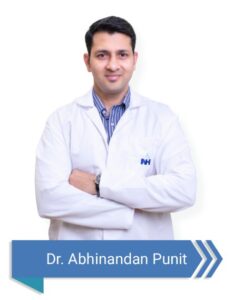
- Dr. Abhinandan Punit,(Best Knee Replacement Surgeon Bangalore) MS, DNB, MCh (Edinburgh), MSc Sports & Exercise Medicine
- 15+ years of surgical experience with 6,000+ orthopedic surgeries
- Performs 200+ knee replacements annually, specializing in robotic techniques (MAKO, Cuvis, Cori)
- Fellowship training in the UK and Australia
- Founder of Elite Orthocare Multi Specialty Clinic and consultant at Narayana Clinic & Hospitals
- Member of ISHKS and ISTA, with published outcome research in peer reviewed journals
- Follow For More Update : Linkedin
Understanding ACL Recovery: What the Journey Really Looks Like
When people talk about ACL injuries, most of the focus tends to be on the surgery itself—how the ligament is reconstructed and how long the procedure takes. But for patients, the more important story often begins after surgery. ACL recovery is a gradual process that involves rebuilding strength, stability, and confidence in the knee.
For many individuals, especially those who lead active lifestyles, recovery from an ACL injury represents a return to movement without fear. Understanding what recovery truly involves can help patients approach the process with realistic expectations and greater clarity.
Recovery Is a Process, Not a Moment
One of the most important things patients learn after ACL reconstruction is that improvement happens in stages. While the surgery restores structural stability to the knee, the body still needs time to heal and adapt.
In the early weeks, the focus is usually on reducing swelling, regaining basic knee movement, and gradually bearing weight. As recovery progresses, physiotherapy shifts toward strengthening the surrounding muscles and improving balance and control.
Patients who experience smoother recoveries often understand that:
- Knee strength takes time to rebuild
- Progress may feel slow in the beginning
- Each stage of rehabilitation prepares the knee for the next
Patience during this period can make a meaningful difference in long-term results.
ACL Recovery Timeline (Step-by-Step)
Recovery from an ACL tear typically takes 6–12 months. Modern rehabilitation techniques emphasize progressive loading and early motion to optimize outcomes. The process happens in phases starting with basic movement, progressing to strengthening, and eventually returning to sports.
Week 1–2: Early Recovery Phase
The first two weeks focus on pain control, swelling reduction, and gentle movement.
Advanced rehabilitation techniques emphasize early mobilization to promote healing without compromising graft stability. Physical therapy typically begins within 48–72 hours post-surgery, focusing on ankle pumps, quad sets, and passive knee flexion.
Many patients searching for “acl recovery timeline reddit” find that individual experiences vary based on surgical technique and adherence to protocols. However, consistently following your physiotherapy regimen during these initial weeks significantly impacts long-term outcomes.
Week 3–6: Improving Knee Mobility
During weeks 3–6, the goal is improving knee movement and walking ability.
Physiotherapy may include stationary cycling, strengthening exercises, and mobility drills. Most patients at specialized ACL centers achieve 120-degree flexion by week six, setting the foundation for subsequent strength-building phases.
2–3 Months: Strength and Stability Phase
At this stage, rehabilitation focuses on rebuilding muscle strength and balance.
Exercises include resistance training, single-leg movements, and controlled cardio. ACL injury rehabilitation protocols emphasize gradual loading to protect the healing graft.
4–6 Months: Advanced Rehabilitation Phase
Between four and six months, training becomes more dynamic. Patients begin light agility drills, jumping, and sport-specific movements.
According to ACL Injury Rehabilitation: New Advances in Recovery Techniques, neuromuscular control exercises during this window significantly reduce re-injury risk by retraining nerve-muscle coordination.
Small Daily Habits Shape the Outcome
Rehabilitation sessions are important, but what patients do between those sessions matters just as much. Everyday movements—walking, sitting, climbing stairs, or returning to work quietly influence recovery.
Some simple habits can support healing:
- Following physiotherapy exercises consistently
- Avoiding sudden twisting or pivoting movements early on
- Gradually increasing activity levels instead of rushing progress
- Allowing the knee enough rest after demanding activity
Over time, these consistent choices help rebuild strength and stability.
Returning to Activity Requires the Right Timing
One of the most common questions after ACL surgery is when it is safe to return to sports or higher levels of activity. While timelines can vary, recovery is typically guided by functional progress rather than just the number of weeks since surgery.
Before returning to demanding activities, the knee should demonstrate:
- Adequate strength compared to the other leg
- Good balance and coordination
- Confidence during movements like running or changing direction
Taking the time to reach these milestones reduces the risk of re-injury and supports long-term knee health.
Why Patients Trust Dr. Abhinandan Punit for ACL Care
For many patients, successful recovery begins with clear guidance from the very beginning. Dr. Abhinandan Punit focuses on helping patients understand not just the surgery, but the entire recovery pathway.
Consultations are designed to explain the nature of the injury, the role of surgery when required, and the rehabilitation process that follows. This approach helps patients prepare mentally and physically for the journey ahead.
How to Book a Consultation with Dr. Abhinandan Punit
If you’re experiencing knee instability, repeated swelling, or difficulty returning to activity after a knee injury, a consultation can help clarify the next steps.
📍 Clinic Locations:
-
Elite Orthocare, Kanakpura Road
-
Narayana Clinic, Electronic City
-
Narayana Health City, Bommasandra
-
Book a consultation today📞
From diagnosis to recovery guidance, Dr. Punit and his team focus on clarity, precision, and long-term joint health.
For further queries, click here to learn more about ACL and related orthopedic treatments.
FAQs: Understanding ACL Recovery
- How long does ACL recovery usually take?
Recovery after ACL surgery varies for each patient, but most people take several months to regain full strength, stability, and confidence in the knee. Rehabilitation and physiotherapy play a key role during this period. - When can I start walking after ACL surgery?
Many patients are able to begin walking with support or a brace within the first few days after surgery, depending on their surgeon’s advice and the progress of healing. - Is physiotherapy necessary after ACL surgery?
Yes. Physiotherapy is an essential part of ACL recovery. It helps restore knee movement, strengthen the muscles around the joint, and improve balance and coordination. - When can I return to sports after ACL reconstruction?
Returning to sports usually depends on how well the knee has recovered. Doctors often recommend waiting until strength, stability, and movement control have fully improved through rehabilitation. - Is swelling normal during ACL recovery?
Mild swelling can be normal in the early stages of recovery. It usually improves as the knee heals and as rehabilitation progresses. - What helps support a smooth ACL recovery?
Following physiotherapy exercises, avoiding sudden twisting movements, and gradually increasing activity levels can help support a steady and safe recovery.