
Doctor’s Bio

-
Dr. Abhinandan Punit , MS, DNB, MCh (Edinburgh), MSc Sports & Exercise Medicine
-
15+ years of surgical experience with 6,000+ orthopedic surgeries
-
Performs 200+ knee replacements annually, specializing in robotic techniques (MAKO, Cuvis, Cori)
-
Fellowship training in the UK and Australia
-
Founder of Elite Orthocare Multi-Specialty Clinic and consultant at Narayana Clinic & Hospitals
-
Member of ISHKS and ISTA, with published outcome research in peer-reviewed journals
Total knee replacement surgeries have started a new chapter in the lives of individuals afflicted by advanced knee arthritis and knee joint destruction. However, the initial surgeries may not yield long term outcomes due to the development of new problems such as, implant wear, infections, or mechanical failure. In such cases, a second operation, termed total knee replacement revision, becomes imperative.
While revision knee surgeries are unavoidably more involved than the primary knee replacement, they can still allow patients to regain substantial amounts of lost mobility. This also entails the restoration of lost quality of life. This is achievable in the hands of evaluative skills, sophisticated revision techniques, and experienced knee revision surgeons. This is also the approach of Dr. Abhinandan Punit whereby patients can depend on comprehensive revision knee care with a focus on safety, precision, and durable outcomes.
Introduction When a Knee Replacement Needs a Second Chance
The knee replacement procedure involves the replacement of the patients’ original knee joints with man made (artificial) knee joints. This is done in order to relieve the patients’ knee pain and manage the movement in the knee joints. Some patients can enjoy the long term benefits of the new knee joints, most can enjoy the mobility, However, some will encounter new problems with the joint.
Total knee replacement revision is the procedure of final resort. This can be performed from the joint or from outside of the joint. This will involve ortheoplastic repair.
Early diagnosis of the new problems is critical and can guarantee success.
What is Total Knee Replacement Revision Surgery?
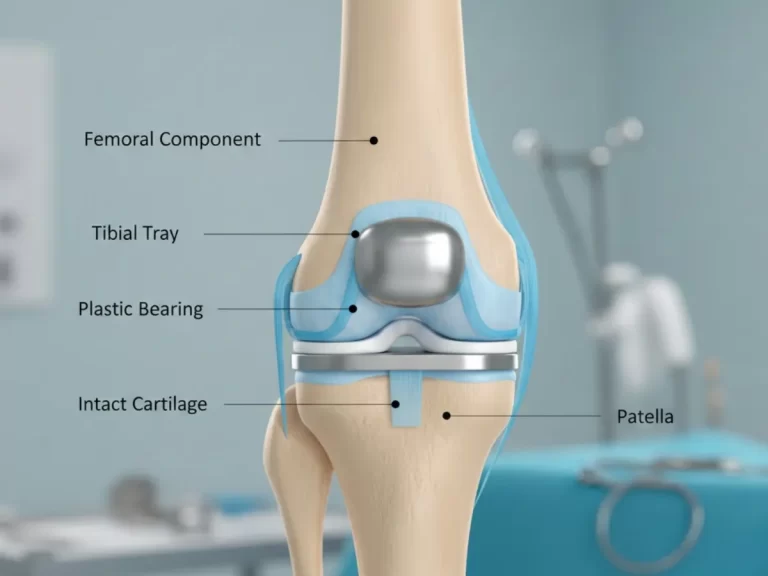
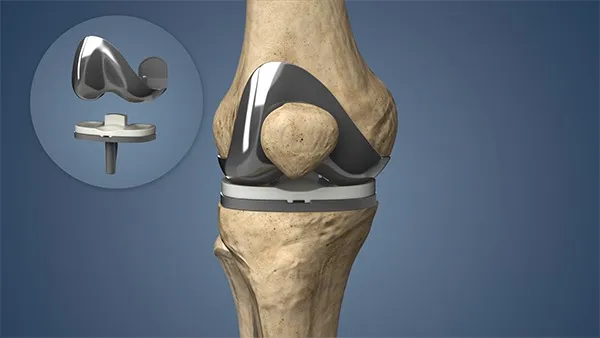
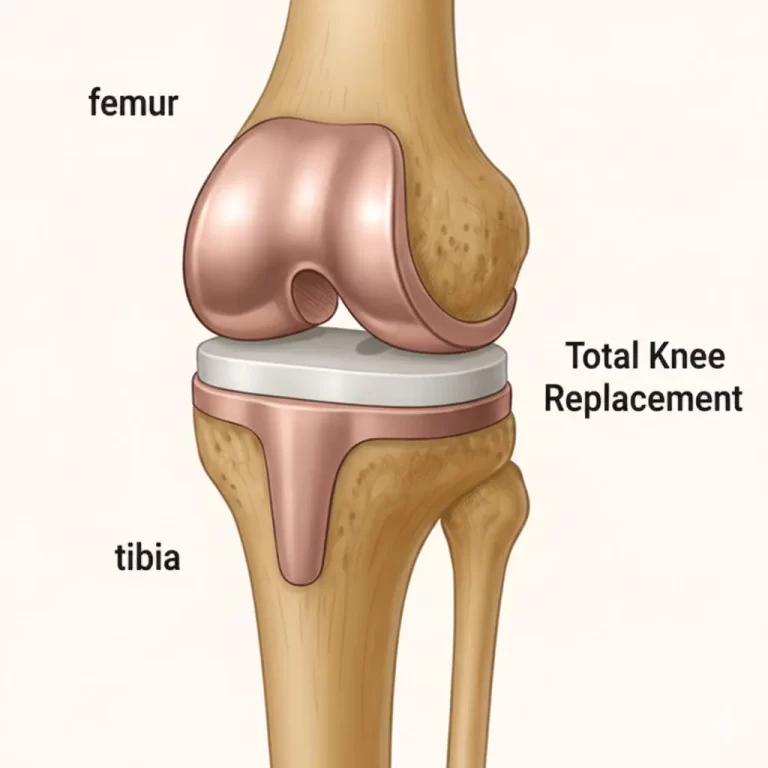
This procedure is also known as revision knee arthroplasty, and it involves the removal and replacement of some or all components of a previously implanted knee prosthesis (or knee replacement).
Difference Between Primary and Revision Knee Replacement
In primary knee replacement surgery, the damaged joint is replaced for the first time.
In revision surgery, the problems from the first procedure are corrected. Revision knee replacement requires specialized implants, coupled with advanced surgical techniques.
In addition, revision surgery becomes increasingly complex because of the presence of scar tissue, bone loss, and the possibility of infection.
Understanding Knee Implant Failure
What Happens Inside the Knee When an Implant Fails
A number of issues might present themselves over time and negatively impact knee implants, including:
- loosening of components
- bone loss around the implant
- wear and tear of the plastic surfaces
- instability of the ligaments
- infection of the artificial joint
How Long Should a Knee Replacement Last?
Most knee replacement implants should last around 15 to 20 years. In certain instances, early deterioration may occur due to infection, injury, or misalignment of the implant.
Reasons Why Your Knee Replacement Has Failed
Mechanical Issues
- Unnatural bending of the implant
- Breakage of the implant
- Wearing of joint surfaces
- Poor placement of the implant
Medical Issues
- Infection
- Poor quality of the bone
- Healing takes longer
Other Issues
- Obesity
- Knee replacement is followed by high impact activities
- Trauma or falls
- Stress in excess on the joint
Signs Revision Knee Surgery Is Required
Unusual indications are
- Knee pain that occurs persistently after a total knee replacement surgery
- Knee post op swelling
- Difficulty in ascending or descending stairs
- Knee hyperextension or buckling
- Knee crepitus
- Elevated body temperature from infection
Signs of infection and all of the above mentioned symptoms should not be ignored and should be looked at by the on call physician.
When is revision total knee replacement necessary
knee replacing revising are recommended where
- Pain remains after the primary surgery
- X rays indicate that the implants are loosening
- Infection is detected
- Knee deforms and is unstable
- Normal living activities are grossly affected
Diagnosis and Clinical Examination
Medical History and Physical Examination
Dr. Abhinandan Punit takes time to look at the pain located in the knee, analyze the walking pattern, evaluate the range of motion, and stabiliity of the knee.
Diagnostic Imaging
- X ray
- CT Scan
- MRI (when necessary)
Diagnostic Labs
- Blood work (ESR, CRP)
- Arthrocentesis (joint fluid aspiration)
- Infection screening
Treatment Options Prior to Revision Surgery
Not all patients need to go straight to surgery. Initial treatments include:
- Medications, pain control
- Physical therapy with strengthening
- Bracing and assistive walking devices
If these things don’t improve symptoms, then revision surgery is a must.
What Types of Revision Knee Replacement Surgery Can Be Done?
Partial Revision Surgery
Only the defective part of the implant is swapped out.
Total Revision Surgery
The entire implant is taken out and a brand new prosthesis is inserted.
One Stage vs. Two Stage Revisions (when implant is infected)
One stage revision: old implant is taken out and new implant is inserted all in one go.
Two stage revision: infected old implant is removed first, then a course of antibiotics is administered, and a new implant is added later.
What Does Revision Knee Replacement Surgery Entail
Removing the Old Implant
The previous implant is expertly taken out by the surgeon, along with some of the damaged surrounding tissue.
Bone Reconstruction and Implant Placement
used revision special implants include:
- Metal augments
- Bone grafts
- Cement fixation
- Long stem prostheses
Duration of Surgery and Hospital Stay
This varies depending on the case but knee replacement surgeries typically take longer than the primary surgeries.
Hospital stays can last anywhere from 4 to 7 days.
Is Revision Knee Replacement More Complex Than First Surgery?
Yes. There are a few more technical aspects that add to this difficulty:
- Scar tissue
- Bone loss
- Risk of infection
- Weaker ligaments
All of these factors can make the revision knee replacement trickier than the first installment and success depends on the advanced planning and experience of the surgeon.
Revision Knee Surgery: Risks and Possible Complications
These can include:
- Infection
- Blood clots
- Nerve injury
- Joint stiffness
- Loosening of the implant
- Delayed wound healing
These are closely monitored to minimize the chance of occurring.
Recovery in the Hospital After Revision Knee Replacement
Most patients have to manage a certain level of pain but are given medication to help manage this.
Patients are able to walk with help within 24 to 48 hours.
Patients can expect to do early physio within the first 48 hours.
Most patients do have to stay for additional wound care and monitoring after these first 48 hours.
Recovery at Home and Rehabilitation Process
Most patients do have to stay for additional wound care and monitoring after these first 48 hours.
Physiotherapy usually continues for several weeks.
Daily Activities After Surgery
Patients slowly get back to:
- Walking independently
- Sitting and standing without discomfort
- Walking up and down stairs
- Working and doing everyday activities
Preparing for Revision Knee Replacement Surgery
Preparation entails:
- Diagnostic testing
- Controlling diabetes and hypertension
- Withholding certain prescriptions
- Better eating habits
- Being mentally and emotionally ready
Long Term Outcomes and Success Rate of Revision Knee Replacement
Patients often describe:
- Less discomfort
- Easier mobility
- More stable knee
- Better overall well being
How long modified implants last is determined by:
- Quality of surrounding bone
- Activity level of the patient
- How well the surgery was done
Cost of Revision Knee Replacement Surgery in Bangalore
Usually, revision surgeries cost more than primary surgeries because of:
- Custom made implants
- Lengthier hospital admissions
- Need for infection control
- Surgical complexity
Cost determinants:
- Kind of implant used
- Hospital level
- Surgeon’s experience
- Cost of Robotic Knee Replacement Surgery, if used
Patients frequently inquire about:
- Cost of knee replacement surgery
- Cost of total knee replacement surgery
- Cost of knee replacement surgery using robotic technology
Who is a Good Candidate for Revision Knee Replacement?
Ideal candidates include:
- Patients whose implants have failed
- Older adults with pain and instability
- Patients with poor bone density
- Individuals with chronic infection / mechanical issues
Emotional and Psychological Aspects of Revision Surgery
Patients often describe:
- Fear of the unknown following a first failed surgery
- Anxiety surrounding the need to have another operation.
- Loss of confidence
Support, counseling, and reassurance greatly contribute to loss of confidence.
Frequently Asked Questions (FAQs)
Is revision knee replacement painful?
Use of contemporary physiotherapy and pain management techniques helps address pain.
How long does revision surgery take?
It usually takes longer than primary knee replacement surgery.
What is the recovery period after revision surgery?
In general, recovery after knee replacement takes 3 to 6 months, but this is often a case with individual differences.
Can revision surgery fail again?
Most revision surgeries are tailored to ensure they will last for many years with the right follow up.
Is revision surgery safe for elderly patients?
Yes, with proper evaluation and medical management.
What happens if revision surgery is delayed?
It may result in further loss of bone structure and may further compromise mobility.
When Should You Consult an Orthopedic Specialist?
You should consult a specialist if you experience:
- Persistent pain after knee replacement surgery
- Difficulty walking
- Signs of swelling or infection
- Decreased quality of life
Evaluating the situation sooner rather than later will lead to desirable outcomes.
Conclusion Expert Care That Restores Mobility and Confidence
There is no such thing as a journey without setbacks, and while it may seem like a failed knee replacement results in the loss of your movement goals, it offers a chance to re start your journey to pain free movement. Total knee replacement revision surgery is the next step towards comfort, security, and the regained independence to maneuver as you wish.
With expert care from Dr. Abhinandan Punit, patients receive advanced treatment, personalized rehabilitation, and devoted rguidance along to support them through their recovery.
Restoring your quality of like may depend on the timely consultation, therefore, if you or your loved one is suffering from knee pain post a total knee replacement surgery , you must act quickly.
For more Discussion
Elite Orthocare is TrustIndex verified doamin who provide Total Knee Replacement Consultation to Pateint
For best surgeon clcik here on Best Robotic Knee Replacement surgeon in Bangalore