

Direct Anterior Hip Replacement
Less Pain. Faster Recovery. Life, Reimagined.
Get back on your feet sooner with the Direct Anterior Approach (DAA) hip replacement – a minimally invasive technique performed by Dr. Abhinandan Punit at Elite Orthocare, Bangalore.
Anterior Hip Replacement
Less pain. Faster recovery.
Minimally invasive DAA hip surgery by Dr. Abhinandan Punit.
What Is Anterior Hip Replacement (DAA)?
The Direct Anterior Approach is a modern, muscle-sparing technique that accesses the hip joint from the front of the body. Unlike traditional hip replacements that cut through major muscles, DAA allows surgeons to work between muscles, reducing trauma and accelerating recovery.
Why Choose the Anterior Approach?
For patients worried about a long and painful recovery, the anterior approach is a breakthrough. It offers:
- Minimal muscle damage
- Less post-operative pain
- Quicker return to daily life
- Smaller scar and lower dislocation risk
- Shorter hospital stay – sometimes even same-day discharge

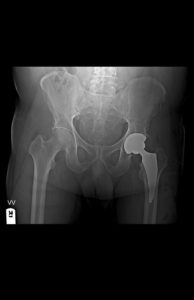
Don’t let hip pain slow you down. Meet Dr. Abhinandan today to see if the anterior approach is right for you.
Don’t let hip pain slow you down. Meet Dr. Abhinandan today to see if the anterior approach is right for you.
Why Choose Dr. Abhinandan Punit for Robotic Knee Surgery in Kanakapura Bangalore?
- International training in robotic joint replacement: Dr. Punit has 15+ years of expertise in traditional and robotic-assisted orthopedic surgeries.
- 6000+ successful orthopedic surgeries: Through advanced surgical care, he has helped hundreds of patients regain mobility and live pain-free.
- Patient-Centered Approach: Dr. Punit focuses on customized treatment plans tailored to your condition, comfort, and recovery goals.
- Clear Communication: He ensures that every patient fully understands their options, expected outcomes, and what recovery will look like.
- Cutting-Edge Technology: As someone trained in the latest robotic systems, he uses technology to deliver precise, minimally invasive surgery.
What to Expect: Anterior Hip Replacement Procedure
- Pre-Surgical Planning
Detailed imaging and clinical assessment to map the best surgical approach and implant size. - Surgery Day
A small incision is made at the front of the hip. The surgeon works between muscles, removing the damaged joint and placing a prosthetic implant with precision. - Recovery Timeline
- Hospital stay: 2–3 days (can vary based on patient condition)
- First steps: Often within 24 hours post-surgery
- Physiotherapy: Begins immediately with a structured plan
- Full recovery: Typically within 6–8 weeks
Our Other Clinic Locations for Direct Anterior Hip Replacement in Bangalore
FAQs – Direct Anterior Hip Replacement
Yes. It is widely regarded as a safe and effective method, with better early recovery outcomes than traditional hip replacement.
Most patients begin walking with support within 24 hours, thanks to less muscle trauma.
No. Patients report less pain post-surgery compared to traditional approaches due to reduced muscle disruption.
Most patients stay for 2–3 days. Some may even go home the same day, depending on recovery speed.
Yes. Guided rehabilitation ensures proper healing, strengthens muscles, and supports safe joint movement.
In most cases, yes. Hip replacements are covered under many private insurance and government health schemes.
DAA avoids cutting major muscles, allowing for smaller incisions, faster recovery, and better early mobility.
You might be a candidate if you have advanced arthritis, chronic hip pain, reduced mobility, or joint degeneration that hasn’t improved with non-surgical treatments. Dr. Abhinandan will assess your medical history and lifestyle needs to recommend the most suitable surgery.
For a short period after surgery, activities such as bending beyond 90 degrees or twisting the hip should be avoided. However, restrictions are typically fewer with the anterior approach compared to traditional methods.
With proper care and lifestyle adjustments, modern hip implants can last 15–20 years or more. The anterior technique may also improve implant longevity due to better positioning.