
Doctor’s Bio
- Dr. Abhinandan Punit,(Best Knee Replacement surgeon Bangalore) MS, DNB, MCh (Edinburgh), MSc Sports & Exercise Medicine
- 15+ years of surgical experience with 6,000+ orthopedic surgeries
- Performs 200+ knee replacements annually, specializing in robotic techniques (MAKO, Cuvis, Cori)
- Fellowship training in the UK and Australia
- Founder of Elite Orthocare Multi Specialty Clinic and consultant at Narayana Clinic & Hospitals
- Member of ISHKS and ISTA, with published outcome research in peer reviewed journals
Total knee replacement surgery in bangalore can be life changing restoring mobility, reducing pain, and helping patients return to the activities they once loved. Under the expert care of Dr. Abhinandan Punit, many individuals have experienced not just recovery, but transformation. In this blog, we’ll walk you through what to expect after surgery, how to maximize recovery, and how to live a full, active life following a knee replacement.
Understanding Total Knee Replacement
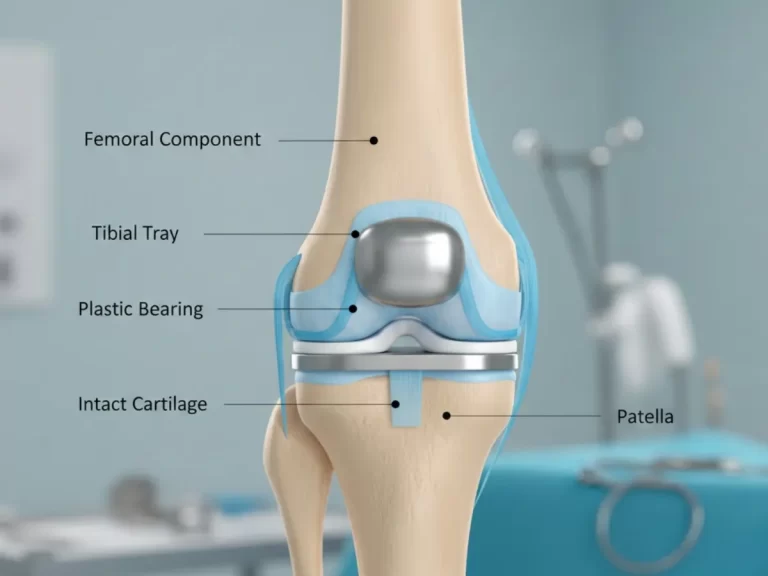
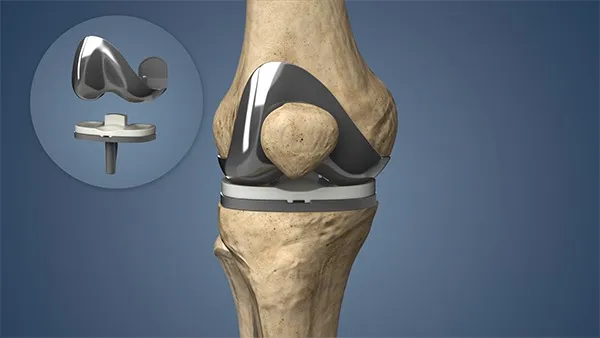
Total knee replacement (TKR) also known as total knee arthroplasty involves replacing damaged parts of the knee joint with artificial components. This surgery is often recommended for people with advanced arthritis, severe pain, or loss of function that hasn’t improved with conservative treatments.
While undergoing surgery is a significant step, the journey toward a pain free, active life truly begins afterward.
What Happens Right After Surgery?
Hospital Recovery Phase
Immediately after surgery, patients typically:
- Spend 1–3 days in the hospital
- Receive pain medications and blood clot prevention
- Begin gentle movement exercises
Dr. Abhinandan Punit emphasizes the importance of early mobility. Even simple actions like standing and walking with assistance on the same day or day after surgery help reduce complications and speed recovery.
Pain Management After Surgery
Managing discomfort responsibly is crucial. A balanced plan usually includes:
- Prescribed pain medications
- Icing and elevation
- Controlled activity
Expect some soreness for several weeks but the pain should gradually improve as healing progresses.
The Importance of Physical Therapy
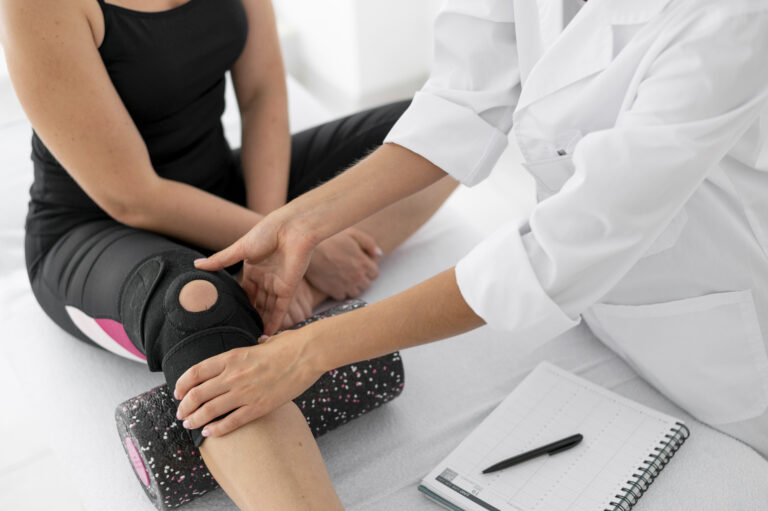
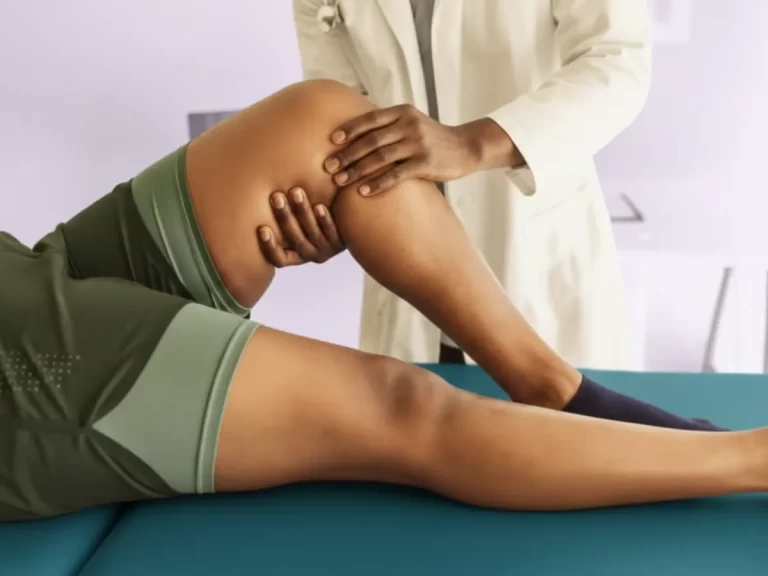
Physical therapy is the cornerstone of life after knee replacement. A typical rehab plan includes:
Phase 1: Early Motion (Weeks 1–3)
- Gentle bending and straightening exercises
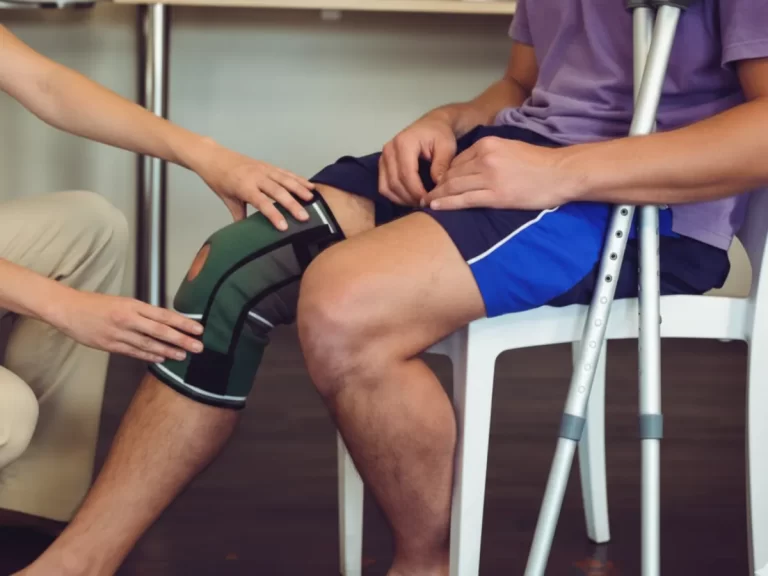
- Walking with a walker or crutches
- Building confidence in knee movement
Phase 2: Strength & Control (Weeks 4–8)
- Muscle strengthening (especially quadriceps and hamstrings)
- Balance and flexibility work
- Transition from assistive devices to independent walking
Phase 3: Functional Fitness (Months 2–3+)
- Longer walking distances
- Light activities like cycling, swimming
- Focus on symmetry and gait quality
Dr. Punit’s patients often describe therapy as challenging but rewarding with each small step bringing them closer to normal life.
Diet and Nutrition for Recovery
What you eat affects your healing process. After surgery:
- Focus on lean protein for tissue repair
- Include calcium and vitamin D for bone health
- Stay hydrated to support joint lubrication
Avoid excessive sugar or processed foods, which can contribute to inflammation.
Returning to Daily Activities
Most patients notice big improvements within 6–12 weeks, including:
Reduced pain
Improved mobility
Better sleep
Greater independence
Simple activities walking without pain, climbing stairs comfortably, standing without support become possible again.
However, full recovery can take up to 6 months or more. Patience and consistency are key.
What Activities You Can Safely Do
Once your surgeon gives clearance, many activities are encouraged:
- Walking and hiking
- Swimming and water aerobics
- Biking
- Golf (with modifications)
High impact activities like running, jumping, or contact sports are usually discouraged to protect the artificial joint.
Frequently Asked Questions
1. How long does robotic knee replacement surgery recovery time usually take?
Most patients notice major improvement within 6–12 weeks, while complete healing may take up to 12 months.
2. What is the average knee replacement surgery recovery time?
Functional recovery typically takes 3–6 months depending on health and rehabilitation commitment.
3. How long is after knee replacement surgery recovery time before normal walking?
Many patients walk independently within 3–6 weeks.
4. Is minimally invasive knee replacement surgery recovery time faster?
Yes, it is generally shorter due to reduced tissue damage.
5. Does partial knee replacement surgery recovery time differ from total replacement?
Yes, partial replacement recovery is usually faster.
6. How does knee replacement surgery recovery time elderly patients experience compare?
Elderly patients may heal slightly slower, but robotic precision improves safety and overall results.
Elite Orthocare is TrustIndex verified doamin who provide Total Knee Replacement Consultation to Pateint
For Best Surgeon click here on Best Robotic Knee Replacement surgeon in Bangalore