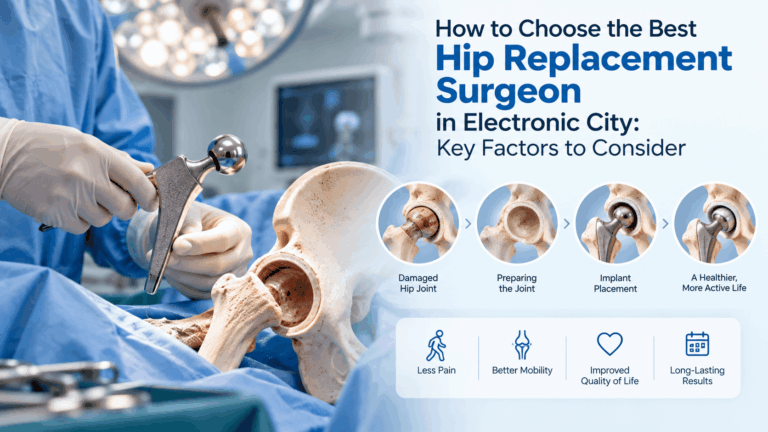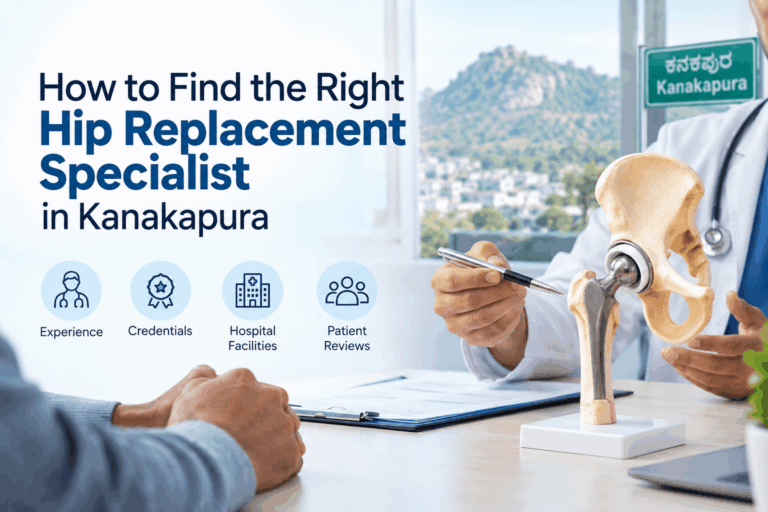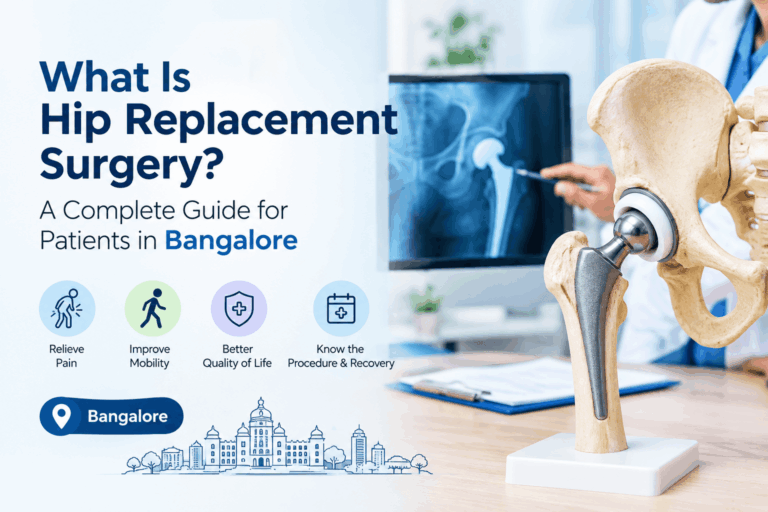

Hip pain rarely leads straight to surgery. Most people go through months, sometimes years, of physiotherapy, medication, and lifestyle adjustments before finally reaching a point where walking, climbing stairs, or even sleeping comfortably becomes too difficult to ignore. That’s usually when hip replacement surgery starts entering the conversation, and terms like ‘minimally invasive hip replacement’ start showing up in your search history. It sounds promising: smaller cuts, faster recovery, less pain. But the real question isn’t just about the technique. It’s about finding the right minimally invasive hip replacement surgeon in Kanakapura who can actually deliver on that promise — and surgeons like Dr. Abhinandan Punit, known for their experience in this specific technique, are exactly who patients start looking for at this stage.
Why the Surgeon Matters More Than the Technique
Minimally invasive hip replacement isn’t a single standardized procedure; it’s a skill that varies significantly from one surgeon to another. The approach involves working through smaller incisions, often without cutting through major muscles, which means the surgeon needs precise anatomical knowledge and a steady hand built over years of practice. A surgeon who has performed this technique hundreds of times will handle unexpected situations far better than one who’s still building experience with it.
This is why patients researching hip replacement in Bangalore should focus less on marketing claims and more on verifiable surgical experience.
Key Factors to Consider Before Choosing Your Surgeon
1. Surgical Volume and Experience
Ask directly: how many hip replacements has the surgeon performed? A surgeon who regularly performs joint replacement surgeries tends to have better outcomes simply because repetition builds precision. Look for someone with a consistent, high annual case volume rather than someone who does it occasionally.
2. Specialized Training in Joint Reconstruction
Orthopedic surgery is broad, but joint replacement is a subspecialty. Surgeons who have pursued fellowship training specifically in joint reconstruction or robotic-assisted replacement bring an added layer of precision to complex cases. This training often includes exposure to international best practices and advanced implant techniques that aren’t part of standard orthopedic education.
3. Access to Robotic and Advanced Surgical Technology
Robotic-assisted joint replacement has changed how precisely implants are positioned, which directly affects implant longevity and how naturally the joint moves afterward. A surgeon comfortable working with robotic systems, alongside traditional minimally invasive methods, gives you more options tailored to your specific hip condition.
4. Hospital Infrastructure and Post-Surgical Support
The surgeon’s skill matters, but so does the ecosystem around them. Check whether the hospital has a dedicated orthopedic and physiotherapy team, proper ICU backup, and a track record of safe joint replacement surgeries. A good surgeon typically works with hospitals that can support faster, safer recovery.
5. Transparent Communication
Before your surgery, your surgeon should clearly explain your diagnosis, why minimally invasive surgery is (or isn’t) suitable for you, what implant will be used, and what your recovery timeline realistically looks like. If a doctor rushes through this conversation or avoids your questions, that’s a red flag, regardless of their credentials on paper.
6. Patient Reviews and Real Outcomes
Online reviews aren’t everything, but consistent feedback about walking within days of surgery, reduced pain, and smooth recovery says a lot. Try to find patients who’ve had similar procedures and ask about their actual experience, not just the outcome, but the entire journey from consultation to rehabilitation.
What Makes Minimally Invasive Hip Replacement Different
Traditional hip replacement involves a larger incision and more disruption to surrounding muscles, which usually means a longer hospital stay and slower recovery. Minimally invasive hip replacement, when performed by an experienced surgeon, typically involves smaller incisions, reduced blood loss, less post-operative pain, and a quicker return to daily activities. However, not every patient is a candidate for this approach. Bone quality, weight, and the extent of joint damage all play a role, which is why an accurate evaluation from a skilled surgeon is essential before deciding on the surgical method.
Finding the Right Surgeon Near Kanakapura Road
For residents in and around Kanakapura Road, Bangalore, finding a surgeon who combines hands-on experience with access to advanced robotic technology means you don’t have to travel far for high-quality orthopedic care. Look for a surgeon who consults locally, has verifiable surgical numbers, and is transparent about what your specific case requires.
If you are considering minimally invasive hip replacement, you can book a consultation with Dr. Abhinandan Punit to discuss your condition and treatment options.
About Dr. Abhinandan Punit
Dr. Abhinandan Punit is an Orthopedic and Robotic Joint Replacement Surgeon with 15+ years of experience, 6,000+ successful orthopedic surgeries, performed annually. He has received international fellowship training in advanced joint reconstruction. He consults at Elite Orthocare, Kanakapura Road, Bangalore, and Narayana Clinic & Hospitals, Electronic City, Bangalore.
Useful Links:
- Official Website: doctorabhinandanpunit.com
- Hospital Bio: doctorabhinandanpunit.com/about
- LinkedIn: linkedin.com/in/dr-abhinandan-punit-aab063aa
Final Thoughts
Choosing a hip replacement surgeon isn’t a decision to rush. Take the time to ask about experience, training, technology, and communication style. A well-qualified surgeon will welcome your questions rather than deflect them. With the right surgeon and the right approach, minimally invasive hip replacement can genuinely give you back the mobility and comfort you’ve been missing.