
Hip pain doesn’t have to define your life. For countless individuals in Bangalore dealing with chronic hip conditions, hip replacement surgery in Bangalore offers a pathway to renewed mobility, reduced pain, and improved quality of life. With the city’s world-class healthcare infrastructure and internationally trained orthopedic surgeons, patients now have access to cutting-edge treatment options including robotic hip replacement in Bangalore and minimally invasive hip replacement in Bangalore.
Understanding your surgical options and selecting the right specialist can significantly impact your recovery journey. This comprehensive guide explores everything you need to know about hip replacement procedures available in India’s Silicon Valley, helping you make informed decisions about your orthopedic care.
Understanding Hip Replacement Surgery: When Conservative Treatment Isn’t Enough
Hip replacement, medically known as hip arthroplasty, involves replacing damaged portions of the hip joint with artificial components called prostheses. This procedure becomes necessary when conservative treatments like physiotherapy, medications, and lifestyle modifications fail to provide adequate relief from chronic hip pain and mobility limitations.
Common Conditions Requiring Hip Replacement:
- Osteoarthritis – The most common cause
- Rheumatoid arthritis – Inflammatory joint disease
- Avascular necrosis – Loss of blood supply to bone
- Hip dysplasia – Developmental hip abnormalities
- Traumatic injuries – Severe fractures or damage
Symptoms Indicating Need for Surgery:
- Severe pain that interferes with daily activities
- Stiffness that limits range of motion
- Functional impairment affecting quality of life
- Pain that persists even at rest
- Difficulty with walking, climbing stairs, or basic activities
Modern hip replacement techniques have revolutionized patient outcomes. Minimally invasive hip replacement in Bangalore hospitals now offers smaller incisions, reduced muscle damage, and faster recovery times compared to traditional approaches. These advanced techniques are particularly beneficial for patients who want to return to active lifestyles quickly and with minimal disruption to their daily routines.
Robotic Hip Replacement in Bangalore: The Future of Orthopedic Surgery
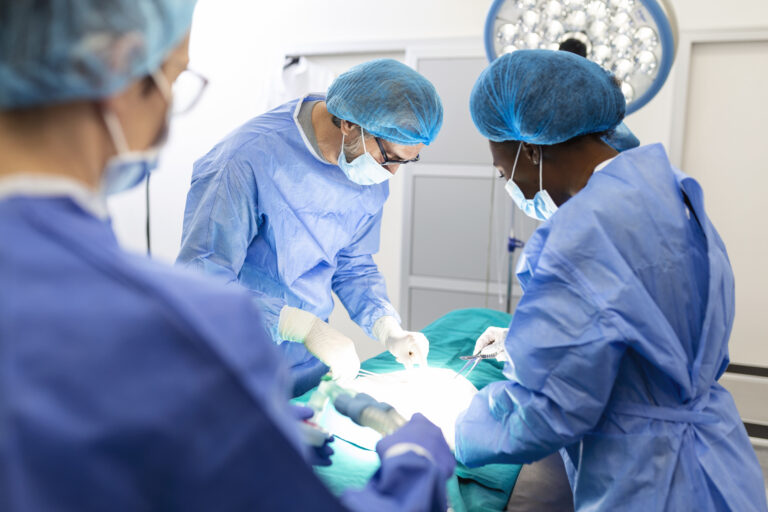
The integration of robotic technology has transformed hip replacement surgery, offering unprecedented precision and personalized treatment plans. Robotic Hip Replacement surgery in Bangalore utilizes advanced systems like the Stryker MAKO platform, which combines 3D imaging with robotic-assisted precision.
The Robotic Surgery Process:
Pre-Surgery Planning:
- Detailed CT scan creates a 3D model of your hip joint
- Millimeter-level accuracy in procedure planning
- Optimal implant positioning determined before surgery
- Customized approach for each patient’s anatomy
During Surgery:
- Robotic arm provides tactile feedback
- Prevents excessive bone removal
- Ensures precise implant placement
- Real-time adjustments based on patient anatomy
Key Advantages of Robotic-Assisted Hip Replacement:
- Improved implant alignment – Better long-term outcomes
- Reduced risk of complications – Enhanced surgical precision
- Faster recovery times – Less tissue trauma
- Better long-term outcomes – Improved implant longevity
- Precise restoration – Natural hip biomechanics maintained
Minimally Invasive Hip Replacement in Bangalore: Advanced Surgical Techniques
Minimally invasive hip replacement in Bangalore encompasses several sophisticated surgical approaches designed to minimize tissue damage and accelerate recovery. The most notable of these is the Direct Anterior Approach (DAA), which has gained significant popularity among both surgeons and patients.
Direct Anterior Approach (DAA) Benefits:
Surgical Advantages:
- Accesses hip joint through natural muscle intervals
- Avoids damage to major muscle groups
- Preserves gluteus maximus and minimus muscles
- Smaller incision (8-12 centimeters)
- Excellent visualization of hip joint
Patient Benefits:
- Same-day walking – Many patients walk on surgery day
- Faster recovery – 2-4 weeks vs 6-8 weeks traditional
- Reduced pain – Less muscle trauma
- Lower dislocation risk – Less than 1% vs 2-5% traditional
- Minimal scarring – Better cosmetic outcomes
- Fewer restrictions – Earlier return to normal activities
Recovery Milestones:
- Day 0-1: Walking with assistance
- Week 1-2: Independent walking with aids
- Week 2-4: Discontinue walking aids
- Week 6-12: Return to normal activities
- Month 3-6: Full recovery and optimization
Dr. Abhinandan Punit: Best Hip Replacement Surgeon in Bangalore
When considering hip replacement surgery, surgeon expertise is paramount to achieving optimal outcomes. Dr. Abhinandan Punit Best Hip replacement surgeon/hospital in Bangalore represents the pinnacle of orthopedic excellence, combining extensive international training with cutting-edge surgical techniques.
Dr. Abhinandan Punit’s Credentials:
Education & Training:
- MS in Orthopaedics – Kasturba Medical College
- DNB Orthopaedics – National Board of Examinations
- MCh Orthopaedics – University of Edinburgh, UK
- MSc in Sports and Exercise Medicine – University of South Wales
- Fellowship training – Robotic joint replacement (UK, Europe, Australia)
Expertise & Experience:
- Over 6,000 successful surgeries
- Specialist in navigated and robotic hip replacements
- Expert in DAA Hip replacement in Bangalore
- Sports medicine specialist
- Works with elite athletes from Sports Authority of India
Practice Locations:
- Elite Orthocare Multi-Specialty Clinic (Founder)
- Narayana Multispeciality Clinic
- Mazumdar Shaw Medical Center
Patient Testimonials Highlight:
- Exceptional communication skills
- Surgical precision and expertise
- Compassionate care approach
- Clear explanation of complex procedures
- Commitment to patient education
Book a consultation today📞

DAA Hip Replacement in Bangalore: Revolutionary Surgical Approach
The Direct Anterior Approach has revolutionized hip replacement surgery by fundamentally changing how surgeons access the hip joint. DAA Hip replacement in Bangalore represents a paradigm shift from traditional posterior and lateral approaches, offering patients unprecedented recovery advantages.
Traditional vs DAA Approach:
Traditional Approaches:
- Cut through major muscle groups
- Significant tissue trauma
- Prolonged recovery periods
- Higher dislocation risk (2-5%)
- Strict movement restrictions
DAA Approach:
- Utilizes natural anatomical intervals
- Preserves muscle integrity and function
- Minimal tissue trauma
- Lower dislocation risk (<1%)
- Fewer movement restrictions
Clinical Study Results:
- Reduced operative time
- Less blood loss
- Lower transfusion rates
- Decreased nerve complications
- Better early functional outcomes
- Higher patient satisfaction scores
Recovery Protocol Differences:
Traditional Approach Recovery:
- Hip precautions for 6-12 weeks
- Restricted movements and positions
- Gradual return to activities
- Longer rehabilitation period
DAA Recovery:
- Minimal movement restrictions
- Earlier return to normal activities
- Faster rehabilitation
- Quicker return to work and daily routines
Determining Your Candidacy: Who Benefits from Hip Replacement?
Not everyone experiencing hip pain requires surgical intervention. Understanding the criteria for hip replacement candidacy helps patients make informed decisions about their treatment options.
Primary Indications for Hip Replacement:
Medical Conditions:
- End-stage osteoarthritis with severe pain and functional limitation
- Rheumatoid arthritis with joint destruction
- Avascular necrosis of the femoral head
- Traumatic hip injuries with irreparable damage
- Failed conservative treatments (medications, physiotherapy, lifestyle changes)
Pain and Functional Assessment:
Pain Severity Indicators:
- Constant or near-constant hip pain
- Pain interfering with sleep
- Pain worsening with weight-bearing activities
- Pain persisting even at rest
- Pain not adequately controlled by medications
Functional Limitations:
- Difficulty walking distances
- Problems climbing stairs
- Difficulty getting up from chairs
- Challenges with basic self-care activities
- Inability to perform work-related tasks
Candidacy Factors:
Age Considerations:
- Traditional criteria: Patients over 60 years
- Modern approach: Based on biological age and activity level
- Young patients: Considered for severe joint damage
- Active older patients: Often achieve excellent outcomes
Health Status Requirements:
- Healthy enough for surgery and anesthesia
- Well-controlled medical conditions
- BMI considerations: ≥40 typically requires weight reduction
- Diabetes control: HbA1c <7.5% preferred
- No active infections
Bone Quality Factors:
- Adequate bone density for implant support
- Severe osteoporosis: May require special implants or bone grafting
- Previous hip surgeries considered
- Anatomical abnormalities assessed
Pre-Operative Evaluation:
- Comprehensive medical history
- Physical examination
- Imaging studies (X-rays, MRI, CT scans)
- Laboratory tests
- Cardiac and pulmonary clearances (if required)
- Risk stratification and surgical planning
Recovery and Rehabilitation: Maximizing Your Surgical Success
Successful hip replacement outcomes depend heavily on comprehensive rehabilitation programs that begin immediately after surgery and continue for several months.
Recovery Timeline:
Immediate Post-Operative Phase (Days 0-2):
- Pain control with modern protocols
- Early mobility – sitting and standing within hours
- Initial walking attempts with physical therapist assistance
- Complication prevention monitoring
- Basic self-care instruction
Early Recovery Phase (2-6 Weeks):
- Goals:
- Safe transfers and mobility
- Walking with assistive devices
- Navigating stairs safely
- Basic self-care independence
- Driving readiness (2-4 weeks)
- Physical Therapy Activities:
- Gentle range-of-motion exercises
- Progressive strengthening
- Gait training
- Balance improvement
- Equipment progression (walker → crutches → cane)
Intermediate Recovery Phase (6-12 Weeks):
- Advanced Goals:
- Strength restoration
- Functional improvement
- Work readiness assessment
- Independence in daily activities
- Exercise Progression:
- Resistance training
- Balance activities
- Endurance building
- Occupational therapy if needed
Long-term Recovery (3-6 Months and Beyond):
- Optimization Phase:
- Maximum potential achievement
- Sport-specific activities (where appropriate)
- Advanced strengthening
- Proprioceptive training
- Unlimited low-impact activities
Home Environment Preparation:
Essential Modifications:
- Bathroom safety:
- Grab bars installation
- Elevated toilet seats
- Non-slip mats
- Bedroom setup:
- Main floor arrangement
- Firm, appropriate-height bed
- Easy access to bathroom
- General home safety:
- Adequate lighting throughout
- Remove trip hazards
- Accessible meal preparation
- Support system arrangement
Activity Recommendations:
Recommended Long-term Activities:
- Unlimited walking
- Swimming – excellent low-impact exercise
- Golf – with proper technique
- Dancing – social and ballroom
- Cycling – stationary or regular
- Tennis – doubles preferred
Activities to Approach with Caution:
- High-impact sports – running, jumping
- Contact sports – football, hockey
- Activities with fall risk – skiing, skating
Complication Prevention:
Warning Signs Requiring Immediate Medical Attention:
- Fever above 101°F (38.3°C)
- Excessive swelling or redness
- Wound drainage or unusual discharge
- Severe pain not controlled by medications
- Signs of blood clots:
- Calf pain or swelling
- Shortness of breath
- Chest pain
Long-term Care:
- Regular follow-up appointments with surgeon
- Appropriate activity levels maintenance
- Prompt infection treatment anywhere in body
- Weight management
- Bone health monitoring
Implant Longevity:
- Modern implants: Typically last 15-20+ years
- Factors affecting longevity:
- Patient age and activity level
- Implant design and materials
- Surgical technique
- Post-operative care compliance
Frequently Asked Questions About Hip Replacement in Bangalore
What is the success rate of hip replacement surgery in Bangalore?
Hip replacement surgery in Bangalore demonstrates excellent success rates, with leading hospitals reporting 97-99% success rates for joint replacement procedures. These outcomes are comparable to international standards and reflect the high quality of surgical expertise and comprehensive care available in the city.
Success is measured by:
- Pain relief – Significant reduction or elimination
- Functional improvement – Return to daily activities
- Implant longevity – 15-20+ years typical lifespan
- Patient satisfaction – Quality of life improvement
How long does recovery take after robotic hip replacement?
Recovery from robotic hip replacement in Bangalore is generally faster than traditional approaches:
Timeline:
- Same day: Walking with assistance possible
- 24-48 hours: Independent walking with aids
- 2-4 weeks: Discontinuing walking aids
- 6-12 weeks: Return to most normal activities
- 3-6 months: Complete recovery and optimization
Individual factors affecting recovery:
- Age and overall health
- Pre-surgery fitness level
- Commitment to rehabilitation
- Surgical approach used
- Complications (rare)
Who is the best hip replacement surgeon in Bangalore?
Dr. Abhinandan Punit is widely recognized as the best hip replacement surgeon in Bangalore for several reasons:
Exceptional Qualifications:
- International training: UK, Europe, and Australia
- Advanced certifications: Multiple robotic systems (MAKO, Cuvis, Cori)
- Specialized fellowships: Joint replacement and sports medicine
- Academic credentials: MCh from University of Edinburgh
Proven Experience:
- 6,000+ successful surgeries performed
- Robotic and minimally invasive procedure specialist
- Sports medicine expertise – works with elite athletes
- Research and innovation in orthopedic surgery
Patient-Centered Care:
- Exceptional communication skills
- Comprehensive patient education
- Personalized treatment approaches
- Multi-location accessibility in Bangalore
How do I choose between different hip replacement approaches?
The choice between traditional, minimally invasive, and robotic approaches depends on several factors:
Patient Factors:
- Age and activity level
- Body mass index and overall health
- Bone quality and density
- Previous hip surgeries
- Specific anatomical considerations
- Recovery timeline preferences
Approach Comparisons:
Traditional Hip Replacement:
- Best for: Complex cases, revision surgeries
- Advantages: Proven track record, widely available
- Recovery: 6-12 weeks typical
Minimally Invasive/DAA:
- Best for: Most primary hip replacements
- Advantages: Faster recovery, less muscle damage
- Recovery: 2-6 weeks typical
Robotic Hip Replacement:
- Best for: Patients seeking maximum precision
- Advantages: Enhanced accuracy, personalized planning
- Recovery: Similar to minimally invasive
Decision Process:
- Comprehensive consultation with experienced surgeon
- Imaging studies and medical evaluation
- Discussion of goals and expectations
- Surgeon recommendation based on expertise
- Patient preference consideration
- Final decision collaboration
Conclusion
Hip replacement surgery in Bangalore represents the convergence of advanced medical technology, world-class surgical expertise, and comprehensive patient care. Whether you’re considering robotic hip replacement in Bangalore, minimally invasive hip replacement in Bangalore, or DAA Hip replacement in Bangalore, the city’s healthcare infrastructure provides access to cutting-edge treatment options that can restore your mobility and improve your quality of life.
With renowned specialists like Dr. Abhinandan Punit leading the way, patients can approach their surgical journey with confidence, knowing they’re receiving care that meets the highest international standards. The combination of advanced surgical techniques, state-of-the-art facilities, and comprehensive rehabilitation programs ensures optimal outcomes for patients seeking to reclaim their active, pain-free lives.
Book a consultation today📞
For more info Click Here DAA in Bangalore