
Doctor’s Bio

-
Dr. Abhinandan Punit , MS, DNB, MCh (Edinburgh), MSc Sports & Exercise Medicine
-
15+ years of surgical experience with 6,000+ orthopedic surgeries
-
Performs 200+ knee replacements annually, specializing in robotic techniques (MAKO, Cuvis, Cori)
-
Fellowship training in the UK and Australia
-
Founder of Elite Orthocare Multi-Specialty Clinic and consultant at Narayana Clinic & Hospitals
-
Member of ISHKS and ISTA, with published outcome research in peer-reviewed journals
Arthroplasty knee replacement, commonly known as knee replacement surgery, is a highly successful procedure that helps patients suffering from chronic knee pain regain mobility and improve their quality of life. It involves replacing damaged or worn out parts of the knee joint with artificial implants designed to function like a natural knee.
Over the years, advances in medical technology such as robotic knee replacement and improved implant materials have made the surgery safer, more accurate, and long lasting. Today, knee replacement surgery offers hope to patients who struggle with pain, stiffness, and difficulty walking due to arthritis or injury.
Understanding the Knee Joint
The knee is one of the largest and most complex joints in the human body. It consists of:
- Thigh bone (femur)
- Shin bone (tibia)
- Kneecap (patella)
- Cartilage that cushions the bones
- Ligaments and muscles that provide stability
Healthy cartilage allows smooth and pain free movement. When cartilage wears out due to arthritis or injury, bones rub against each other, leading to pain, swelling, and stiffness. Arthroplasty knee replacement restores joint function by replacing the damaged surfaces with artificial components.
Conditions That Require Knee Replacement Surgery
Knee replacement surgery is recommended when non surgical treatments such as medication, physiotherapy, or injections fail to relieve pain.
Common conditions include:
- Osteoarthritis
- Rheumatoid arthritis
- Post traumatic arthritis
- Severe knee deformities (bow legs or knock knees)
- Chronic knee pain and stiffness
- Reduced ability to walk or climb stairs
Signs You May Need Knee Replacement Surgery
You may be a candidate for total knee replacement surgery or partial knee replacement if you experience:
- Constant knee pain even while resting
- Difficulty walking or standing for long periods
- Swelling and stiffness
- Disturbed sleep due to pain
- Limited knee movement
- Failure of medications and physiotherapy
Types of Knee Arthroplasty
Total Knee Arthroplasty (TKA)
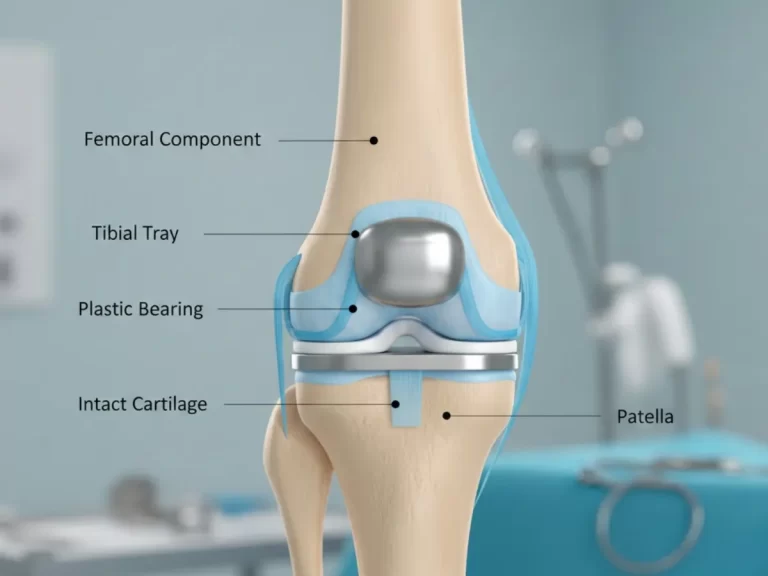
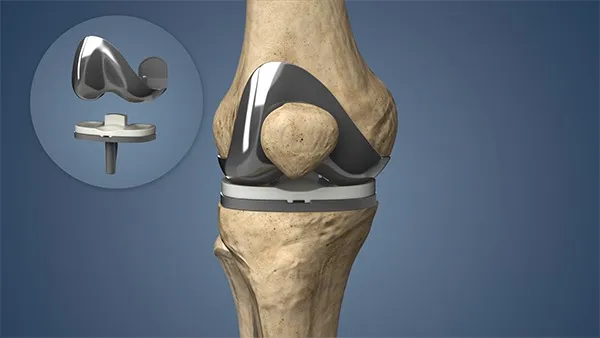
In total knee replacement surgery, the damaged cartilage and bone surfaces of the knee are removed and replaced with artificial components. It is suitable for patients with severe arthritis affecting the entire knee joint.
Partial Knee Replacement
Partial knee replacement is done when only one part of the knee joint is damaged. It preserves more natural bone and offers faster recovery for selected patients.
Bilateral Knee Replacement
Bilateral knee replacement means both knees are replaced in the same surgical session. It is often recommended for patients with severe arthritis in both knees.
Total Knee Replacement Revision
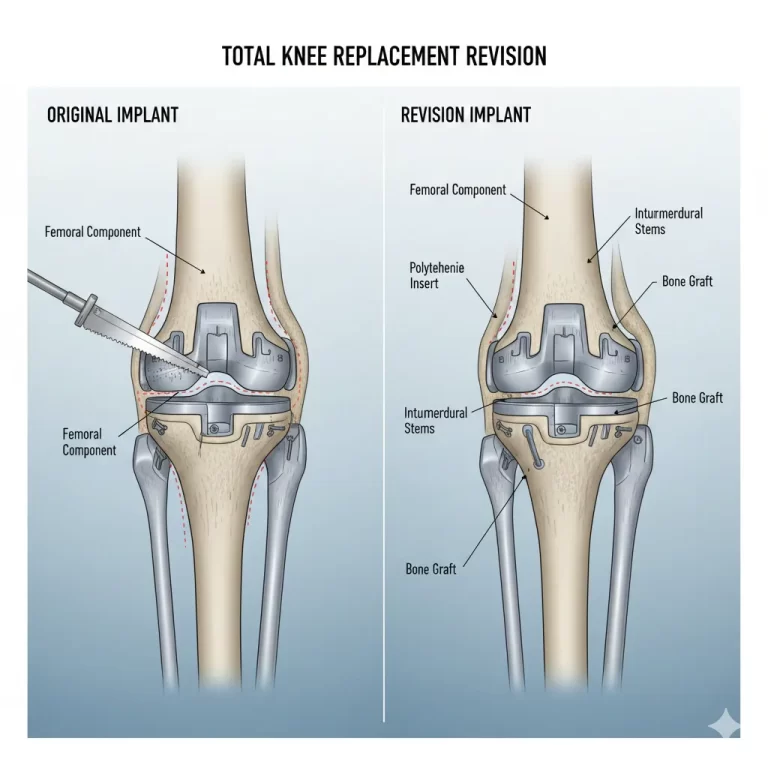
Total knee replacement revision surgery is required when an existing implant wears out, loosens, or becomes infected. It involves replacing the old implant with a new one.
Robotic Knee Replacement
Robotic knee replacement uses advanced robotic technology to assist surgeons in placing implants with high precision. This improves alignment, reduces tissue damage, and enhances recovery outcomes.
Knee Replacement Surgery Procedure
Pre Surgery Evaluation
Before surgery, patients undergo:
- X rays or MRI scans
- Blood tests
- Cardiac and fitness assessment
- Medical history review
- Surgical planning
During the Surgery
The knee replacement surgery procedure includes:
- Administration of anesthesia
- Removal of damaged cartilage and bone
- Placement of knee replacement implants
- Testing movement and stability
The knee replacement surgery time usually ranges between 1 to 2 hours depending on the type of surgery and patient condition.
After Surgery
- Pain management begins immediately
- Walking with support starts within 24 hours
- Physiotherapy exercises are initiated
- Hospital stay lasts 3 to 5 days
Recovery After Knee Replacement Surgery
Knee Replacement Recovery Time
Recovery differs for each patient, but generally:
- Walking begins within 1–2 days
- Normal daily activities resume in 3–6 weeks
- Full recovery takes 3–6 months
Patients often ask: how long knee replacement recovery takes? Most patients feel significant pain relief within a few weeks and regain confidence in movement within 2–3 months.
Exercises After Knee Replacement
Regular physiotherapy and exercises after knee replacement help:
- Improve flexibility
- Strengthen muscles
- Prevent stiffness
- Speed up recovery
Life After Total Knee Replacement Surgery
Many patients worry about how their life will change after surgery. The good news is that life after total knee replacement surgery is usually much better than before.
Patients can:
- Walk without pain
- Climb stairs comfortably
- Travel and drive
- Resume daily activities
- Sleep better
- Perform light exercises
With proper rehabilitation, most patients enjoy a normal, active lifestyle.
Knee Replacement Implants
Types of Implants for Knee Replacement
Different types of implants for knee replacement include:
- Metal and plastic implants
- Ceramic coated implants
- Cemented implants
- Cementless implants
The choice depends on age, activity level, bone quality, and surgeon recommendation.
Modern knee replacement implants last 15 to 20 years or more with proper care.
Benefits of Knee Replacement Surgery
- Long term pain relief
- Improved mobility
- Corrected knee deformity
- Better sleep
- Independence in daily life
- Enhanced quality of life
Disadvantages and Complications of Knee Replacement Surgery
Like any surgery, knee replacement has some risks.
Disadvantages of Knee Replacement Surgery
- Surgical pain
- Recovery time
- Need for physiotherapy
- Lifestyle adjustments
Complications of Total Knee Replacement
Possible complications of total knee replacement include:
- Infection
- Blood clots
- Implant loosening
- Nerve injury
- Knee stiffness
- Knee pain after total knee replacement surgery
With expert surgical care and proper rehabilitation, these risks are minimal.
Knee Replacement Operation Cost in Bangalore / India
The knee replacement operation cost varies depending on several factors.
Total Knee Replacement Cost
Factors affecting total knee replacement cost include:
- Type of implant
- Hospital facilities
- Surgeon expertise
- Robotic vs conventional surgery
- Length of hospital stay
Robotic Knee Replacement Cost
Robotic knee replacement cost is usually higher due to advanced technology but offers better precision and faster recovery.
Insurance often covers knee replacement surgery, depending on policy terms.
Who is an Ideal Candidate for Knee Replacement?
Ideal candidates include:
- Patients with severe arthritis
- Chronic knee pain affecting daily life
- Those who failed conservative treatment
- Medically fit individuals
- Motivated for physiotherapy and recovery
Choosing the Right Surgeon for Knee Arthroplasty
Successful knee replacement surgery depends greatly on:
- Surgeon experience
- Use of modern technology
- Proper implant selection
- Personalized rehabilitation plan
Why Choose Dr. Abhinandan Punit for Knee Arthroplasty?
Dr. Abhinandan Punit is a highly experienced orthopaedic surgeon specializing in:
- Arthroplasty knee replacement
- Robotic knee replacement
- Partial and total knee replacement surgery
- Revision knee replacement surgery
His patient centered approach, advanced techniques, and commitment to excellent outcomes ensure safe surgery and faster recovery for every patient.
Frequently Asked Questions (FAQs)
Is knee replacement surgery painful?
Pain is well controlled with modern pain management techniques.
How long does knee replacement surgery take?
Usually 1–2 hours.
Can both knees be replaced at the same time?
Yes, bilateral knee replacement is possible in selected patients.
How long is knee replacement recovery time?
Initial recovery takes 4–6 weeks, with full recovery in 3–6 months.
Can I sit on the floor after surgery?
With proper rehabilitation, many patients can sit comfortably.
Is robotic knee replacement better?
Robotic surgery offers improved accuracy and better implant positioning.
Conclusion
Arthroplasty knee replacement is a proven and effective solution for chronic knee pain and arthritis. With modern surgical techniques, advanced implants, and expert care, patients can return to a pain free and active life.
If knee pain is affecting your daily routine and quality of life, consulting an experienced knee replacement surgeon can help you make the right decision for long term relief and mobility.
For more Discussion
Elite Orthocare is TrustIndex verified doamin who provide Total Knee Replacement Consultation to Pateint
For best surgeon clcik here on Best Robotic Knee Replacement surgeon in Bangalore