
An ACL injury can stop you in your tracks — quite literally. Whether you’re an athlete, an active professional, or someone who twisted their knee during a fall, a torn ACL (anterior cruciate ligament) can lead to pain, instability, and fear of movement. In many cases, your orthopedic surgeon may recommend ACL reconstruction surgery to restore stability and function.
What is an ACL Tear, and Why is Reconstruction Important?
The ACL is a vital ligament in your knee that connects your thigh bone (femur) to your shin bone (tibia). It’s crucial for knee stability, especially during movements that involve pivoting, twisting, and sudden stops – common in sports like football, basketball, and tennis.
When the ACL tears, it doesn’t heal on its own. This leads to:
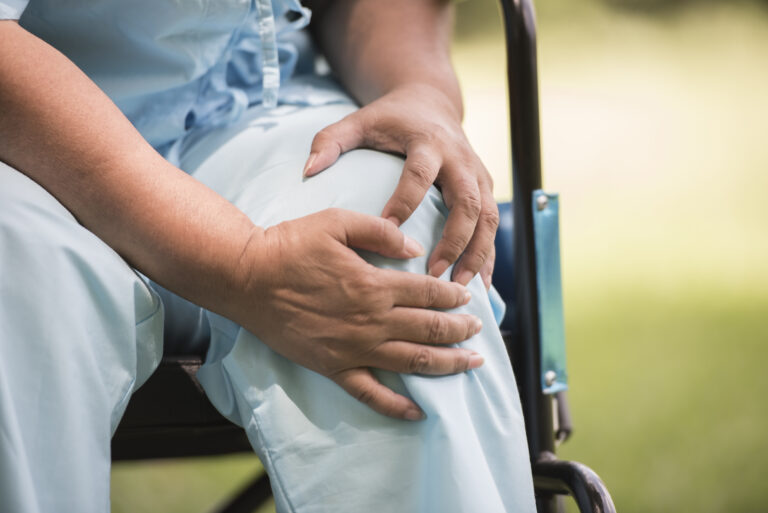
- Knee instability: A feeling of your knee “giving way”
- Pain and swelling: Often immediate and significant after the injury
- Limited range of motion: Difficulty bending or straightening your knee
- Increased risk of further damage: Without a stable ACL, other structures in your knee, like the meniscus, are more susceptible to injury and long-term degenerative arthritis
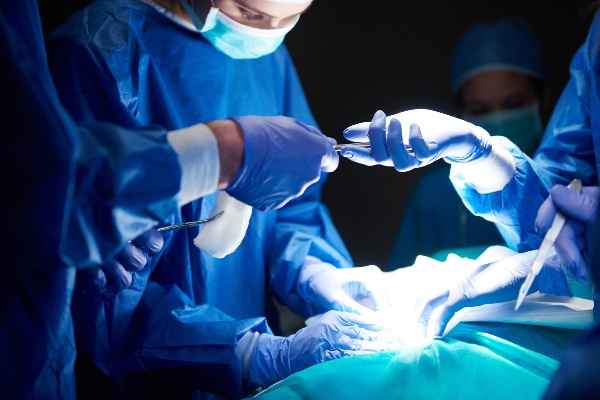
ACL reconstruction surgery is a procedure that replaces the torn ACL with a new tissue graft, restoring stability and function to your knee. For active individuals and those seeking to prevent long-term complications, it’s often the recommended course of action.
ACL reconstruction is a highly successful knee ligament surgery, especially when performed by a skilled orthopedic surgeon like Dr. Abhinandan Punit.
Do You Really Need ACL Surgery?
Not everyone with an ACL tear needs surgery — but in many cases, it’s the most effective long-term solution.
You may need ACL reconstruction if:
- Your knee keeps giving way during movement
- You want to return to a physically active lifestyle or sports
- You’ve tried physiotherapy but still experience instability
- There are additional injuries, like a meniscus tear or cartilage damage
Dr. Abhinandan Punit will evaluate your condition through a detailed physical examination and imaging techniques (such as MRI) before recommending surgery.
The ACL Reconstruction Process and Recovery: What to Expect
Understanding the process can ease your mind. Here’s a general overview of what ACL reconstruction with Dr. Abhinandan involves:
1. Diagnosis and Consultation
Dr. Abhinandan will conduct a thorough physical examination, discuss your symptoms, and typically order imaging tests, such as an MRI, to confirm the ACL tear and assess any other knee injuries. He will explain your condition and discuss if ACL surgery is the best option for you.
2. Pre-operative Preparation
This may involve pre-habilitation (exercises to improve knee flexibility and strength before surgery) to optimize your recovery.
3. The Surgical Procedure
Graft Selection
Dr. Abhinandan will discuss the best graft option for you.
Common choices include:
- Autograft: Tissue taken from your own body (e.g., hamstring tendon, patellar tendon, or quadriceps tendon). Autografts are often preferred for active patients due to their lower risk of rejection
- Allograft: Tissue from a deceased donor
Arthroscopic Technique
Most ACL reconstruction surgeries are performed arthroscopically, a minimally invasive technique involving small incisions and a tiny camera to guide the surgeon. This typically results in less pain, smaller scars, and faster recovery.
The torn ACL is removed, and tunnels are drilled in your thigh and shin bones to place the new graft, which is then secured precisely.
4. Post-operative Care and Rehabilitation
This is a crucial phase. You’ll begin a structured ACL rehabilitation program with a physiotherapist, focusing on pain management, restoring range of motion, and gradually building strength and stability.
Recovery Timeline:
- Weeks 1–2: Initial healing, managing swelling, and starting basic motion exercises. Crutches may be needed
- Weeks 3–6: Focus on regaining range of motion, reducing stiffness, and building strength
- Months 3–5: Advanced strengthening and functional training. Light jogging may be introduced
- Months 6–9: Return to sports and high-impact activities, if cleared by your surgeon and physiotherapist
With dedicated physiotherapy and guided rehab, most patients regain full knee function within 6 to 9 months.
Will You Be in Pain After Surgery?
Some discomfort after surgery is normal, but ACL reconstruction today is much less painful than many expect, thanks to:
- Minimally invasive techniques
- Localized anesthesia and pain management protocols
- Faster rehabilitation with reduced inflammation
Many patients report being surprised at how manageable the pain is and how quickly they’re able to move around after surgery.
Importance of Choosing the Right ACL Surgeon
When it comes to knee ligament surgery, your surgeon’s expertise can make all the difference in your recovery, outcome, and confidence.
Why patients trust Dr. Abhinandan Punit for ACL reconstruction in India:
- Specialist in ACL reconstruction and sports injury treatment
- Uses the latest arthroscopic techniques and advanced graft options
- Personalizes every treatment plan based on patient activity levels
- Has performed hundreds of successful ACL surgeries
- Trusted by athletes, runners, and active individuals from all walks of life
From pre-surgery education to post-op rehabilitation, Dr. Punit ensures you receive complete, compassionate care every step of the way.
Take the First Step Toward Stronger Knees
Book a consultation with Dr. Abhinandan Punit today and take the first step toward healing, mobility, and a pain-free future.